Essential Guide to Pop Up Shop Insurance for Your Temporary Business
Pop‑up shops may be temporary, but the risks they face are very real. Whether event organizers are launching a week‑long brand activation or hosting a quick weekend retail pop‑in, most events involve constant public interaction, unfamiliar venues, and tight production timelines. That’s why Pop‑Up Shop Insurance, one of the most flexible forms of short-term business…
Pop‑up shops may be temporary, but the risks they face are very real. Whether event organizers are launching a week‑long brand activation or hosting a quick weekend retail pop‑in, most events involve constant public interaction, unfamiliar venues, and tight production timelines. That’s why Pop‑Up Shop Insurance, one of the most flexible forms of short-term business insurance, is essential. It helps protect your customers, the host location, and your merchandise, so unexpected accidents or last‑minute setbacks don’t interrupt your activation. With the right coverage in place, your pop‑up can operate as close to risk‑free as possible, allowing you to focus on engagement, sales, and brand impact.
Core General Liability for Customer Interactions
Customer‑facing moments are the heartbeat of pop-up businesses, but they’re also where most liability risks arise. Comprehensive insurance coverage, especially short-term liability coverage, is critical for protecting your brand during live activations. Public liability insurance for pop‑ups safeguards you if a third party is injured or their property is damaged during your event, whether someone slips on a floor decal, trips over a riser, or a display element accidentally makes contact with a guest.
For vendors bringing physical products or interactive installations on‑site, product liability coverage may also be essential to address claims related to the items you sell, sample, or demonstrate. As part of your broader short‑term event insurance coverage, it’s important not to base protection solely on the size of your footprint. Instead, tailor liability limits to real‑world risk factors such as projected foot traffic, build complexity, hands‑on engagement, and how closely attendees interact with your displays. Properly scoped coverage ensures your pop‑up is protected where it matters most, on the ground, in real time.
Property, Stock, And Portable Equipment

Pop‑ups depend on a constant flow of merchandise and equipment, from samples and POS tablets to mirrors, racks, signage, and demo units, moving quickly from load‑in to showtime to strike. With so many assets in motion, pop‑up businesses face elevated exposure to accidental property damage, loss, or theft. If these items are damaged or missing, brands and event operators may be held liable for repair or replacement costs.
That’s why flexible coverage backed by well‑scoped stock and inventory insurance, portable equipment protection, and business personal property coverage is essential. These policies help pay and protect for the real‑world risks of temporary retail, ensuring your assets are covered not only while the pop‑up is live, but also during transport, setup, rehearsals, and teardown. With clear, event‑specific protection in place, you can safeguard the tools and inventory that keep your activation running smoothly, no matter how fast the environment moves.
Rented Spaces, COIs, And Venue Language
When operating in a rented space or host venue, insurance needs quickly become a core part of your production checklist. Most landlords and event spaces require proper insurance documentation, including a certificate of insurance (COI) that names the venue as an additional insured and contains venue‑specific language. Without this in place, access delays or last‑minute complications can put your activation at risk.
Early insurance planning is key. Your COI should reflect the full lifecycle of the pop‑up, not just public show days, but also load‑in, rehearsals, setup, teardown, and strike. Aligning coverage dates with these critical handover windows ensures uninterrupted access, avoids compliance gaps, and supports a smooth working relationship with your host venue from start to finish. Thoughtful planning helps ensure your coverage meets real‑world requirements and keeps your activation moving forward without surprises.

Damage To Premises And Tenant Liability
Even the most precisely executed pop‑up buildout can leave behind unintended damage, scuffed floors from rolling racks, chipped walls from mounted signage, or a cracked glass panel during teardown. These installations create real exposure for damage to rented premises, which is why many insurers treat this as a specific type of liability and why venues frequently require coverage for “damage to premises rented to you” under their lease terms.
Whether you rely on a short‑term policy or an annual policy used for multiple activations, it’s critical to confirm that tenant legal liability is included. This coverage helps protect you if the space itself is accidentally damaged during install or strike, preventing you from having to pay out of pocket for repairs. As part of your broader temporary retail insurance strategy, matching coverage limits to the venue’s contractual requirements ensures minor incidents don’t turn into expensive disputes or unexpected demands for money once the activation wraps.
Vendors, Caterers, And Third-Party Partners for Big Crowds
Pop‑ups often rely on a wide network of collaborators, coffee carts, caterers, florists, photo booths, DJs, rental crews, and other specialty vendors, to elevate the customer experience. Each added partner, however, introduces new layers of risk and potential claims exposure. For this reason, many organizers require vendors to provide an ACORD certificate as formal proof of insurance, outlining active coverage, limits, and required endorsements.
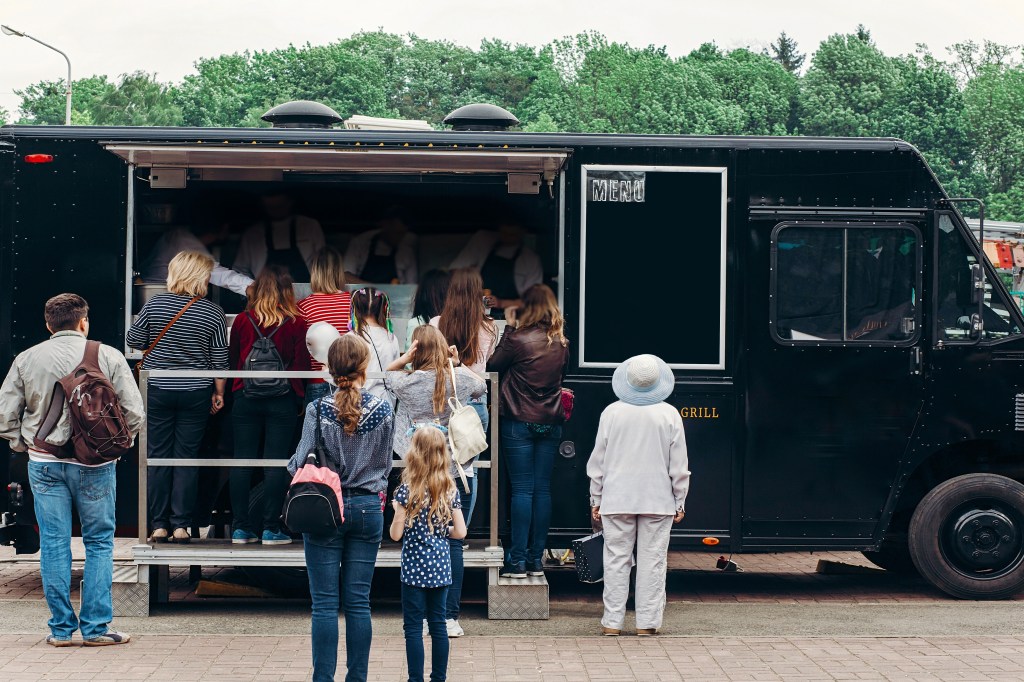
As an example, vendors may need to list the pop‑up organizer or venue as an additional insured and, in some cases, include waiver of subrogation wording so that any claims arising from their operations do not flow back to the activation. To stay compliant, collect and review all vendor and contractor COIs well in advance of opening day, carefully verifying coverage dates, limits, and endorsements. A single gap in a vendor’s proof of insurance can jeopardize the entire event, so a structured COI‑tracking process helps prevent coverage disputes, minimize claims complications, and keep your production timeline on track.
Security, Theft, And Cash Handling
High‑traffic pop‑ups often concentrate a surprising amount of merchandise, equipment, and cash into compact, fast‑moving environments, making them attractive targets for theft, vandalism, and resulting liability claims. Pairing strong on‑site controls with the right insurance is essential. Well‑structured theft and vandalism protection, combined with comprehensive stock and inventory coverage, helps safeguard both high‑value assets and everyday retail essentials.
When these risks lead to disputes or liability claims, having short-term liability insurance in place can also support legal defense and help offset legal fees, preventing a single incident from disrupting the business. Certain coverages may even help address lost income tied to forced downtime following a covered loss. Complement your policies with practical safeguards such as locked display cases, secure overnight storage for electronics and merchandise, and reduced cash‑on‑hand through tighter handling windows or cashless payment options. Blending these operational measures with thoughtful insurance coverage helps protect your activation without compromising customer flow, revenue, or the overall experience.

Goods In Transit and Mobile Builds
Pop‑up activations don’t just live at the venue; they’re constantly in motion. Fixtures, props, merchandise, and demo units move from warehouse to van to event site, and those transitions are where many losses happen. Items can be damaged during loading, shift in transit, or get scuffed during staging long before doors open.
Extending your protection with goods‑in‑transit coverage, supported by portable equipment insurance, business personal property protection, and an affordable company general liability insurance program, helps ensure your assets are protected door‑to‑door, not just once they arrive on-site. With end‑to‑end transit coverage in place, your team can move quickly and confidently, knowing that both the build and the inventory are covered throughout the entire journey.
Right-Sizing Limits, Deductibles, And Dates

In the end, the strongest pop‑up insurance approach is one that fits your activation as precisely as the space itself. For small business operators running pop‑ups for one season, or even a single weekend, coverage should be built around real timelines, including setup, show days, and teardown, without paying for excess downtime. Limits should reflect the peak value of your inventory, equipment, and on‑site assets, while also accounting for employees working the floor and behind the scenes. Meeting the contractual requirements of most venues, such as primary and noncontributory wording or additional insured endorsements, keeps access smooth and relationships intact. By right‑sizing coverage, deductibles, and policy terms to actual risk, brands can keep insurance lean, compliant, and aligned with the fast‑moving realities of temporary retail.
Sources:
https://www.trushieldinsurance.ca/blog/insurance-101/what-insurance-coverages-do-i-need-for-my-retail-business/
https://www.federato.ai/library/post/pop-up-shop-insurance-streamlining-coverage-in-the-digital-age
https://www.reddit.com/r/restaurantowners/comments/14mxhkh/insurance_for_pop_ups/
https://jmg.com/insurance-guide-for-covering-your-pop-up-store/
https://www.insurancebusinessmag.com/ca/news/breaking-news/popups-can-sidestep-major-risks-with-tailored-insurance-coverage-179679.aspx
https://marshlandins.com/blog/insuring-seasonal-and-pop-up-businesses