

Insurance for Fashion Events: Runway Shows, Pop-Ups, and Designer Liability
Fashion events are a unique category of special events, operating under intense time pressure and high visibility that few other productions encounter. A runway show brings together talent, custom staging, intricate lighting, high‑value garments, VIP guests, media, and sponsors, all within a compressed window where timing is critical and there is little room for error.…
Fashion events are a unique category of special events, operating under intense time pressure and high visibility that few other productions encounter. A runway show brings together talent, custom staging, intricate lighting, high‑value garments, VIP guests, media, and sponsors, all within a compressed window where timing is critical and there is little room for error.
With so many moving parts and stakeholders involved, even minor issues, like a delayed cue, technical malfunction, or on‑site disruption, can quickly escalate into significant liability claims, especially when unforeseen circumstances arise. This is where event insurance, including specialized fashion show and liability coverage, becomes essential. Rather than serving as a last resort, insurance functions as a proactive risk management tool, helping organizers, venues, and partners maintain stability and protection when conditions shift rapidly and potential exposures increase.
Special event insurance is a short-term liability policy designed to help protect event hosts from financial losses tied to accidents, injuries, property damage, or other covered incidents during the approved event period. The application process can often be completed online or through a formal enrollment form, allowing organizers to request quotes, submit event details, and secure proof of coverage documents with minimal delay.
The Venue Comes First: Insurance Coverage, Contracts, COIs, and Access
In fashion production, venue requirements often determine not just what can move forward, but when. Most venues will not finalize load-in schedules, rehearsals, or guest access until they receive a compliant venue certificate of insurance (COI) from an insurance provider, clearly outlining event dates, coverage limits, additional insured status, and contract-specific wording. Event insurance policies often allow additional insured parties, such as the event venue, sponsors, or certain vendors, to be added when required by contract. This helps extend liability protection to those parties for covered claims connected to the event.
Securing an additional insured endorsement early, while ensuring limits address exposures such as bodily injury, property damage, and even potential legal fees, helps avoid bottlenecks that can disrupt production timelines. When insurance documentation is properly aligned with venue agreements from the outset, organizers significantly reduce the risk of last‑minute disputes, keeping operations smooth, crews coordinated, and the event on track for showtime. Venues increasingly ask for specific endorsements, wording, and coverage details, making it important to review the contract before binding coverage. The effective date of coverage should also reflect when the event exposure actually begins, including setup and teardown when required. Because documentation can take time to review and revise, organizers are usually better served by purchasing coverage early in the planning process rather than waiting until production details are already locked.
Event Details in Focus: Staging, Lighting, and Temporary Build Exposures
Runway staging delivers powerful visual impact, but it also introduces some of the highest‑risk exposures present at most events, particularly those involving complex professional services like production design and technical installation. Temporary runways, truss systems, risers, and lighting rigs create real potential for property damage and bodily injury throughout load‑in, rehearsal, live production, and strike, making hired equipment and staging coverage a core element of a comprehensive risk strategy. Personal property and equipment coverage may also be important when expensive sound systems, lighting equipment, rented staging, production gear, or other high-value event materials are being used on site.
At many venues, accelerated build schedules, limited backstage space, and multiple vendors working simultaneously increase exposure to temporary structures and rigging liability. Coverage must account not only for showtime conditions, but also for the realities of fast‑paced installs and breakdowns. Property damage liability, for example, can also help address situations where the organizer, vendor, or production activity causes damage to someone else’s property during the event period. Pairing appropriate limits and policies with clear incident reporting and claims handling procedures ensures protection extends across every phase of production, especially in high‑pressure environments where timing is tight and risks can escalate quickly.
Guests, Seating, and High-Footfall Event Liability

Guest experience is central to a successful fashion show, but it also introduces consistent exposure that must be managed within strict insurance requirements and venue compliance standards. Front‑row seating, crowded check‑in areas, narrow aisles, and compressed arrival windows create ideal conditions for slips, trips, and falls, common risks addressed under event general liability for fashion shows and broader contractual liability obligations outlined in venue agreements. Common accidents at fashion events might include bodily injury from trips and falls, property damage to the venue, and liability issues tied to crowded entrances, seating areas, media zones, or reception spaces.
These exposures intensify when VIP arrivals, media presence, and tight call times funnel large groups through limited access points. Effective planning requires aligning liability insurance limits with attendance, layout, venue requirements, coverage limits, location, event type, and any previous claims history that may affect underwriting. Incorporating proper event security and crowd control liability ensures coverage reflects how guests actually move through the space, not just how many attend, helping organizers manage risk in line with both operational realities and contractual obligations.
Backstage Control and Insurance for Fashion Events: Talent, Staff, and Restricted Areas
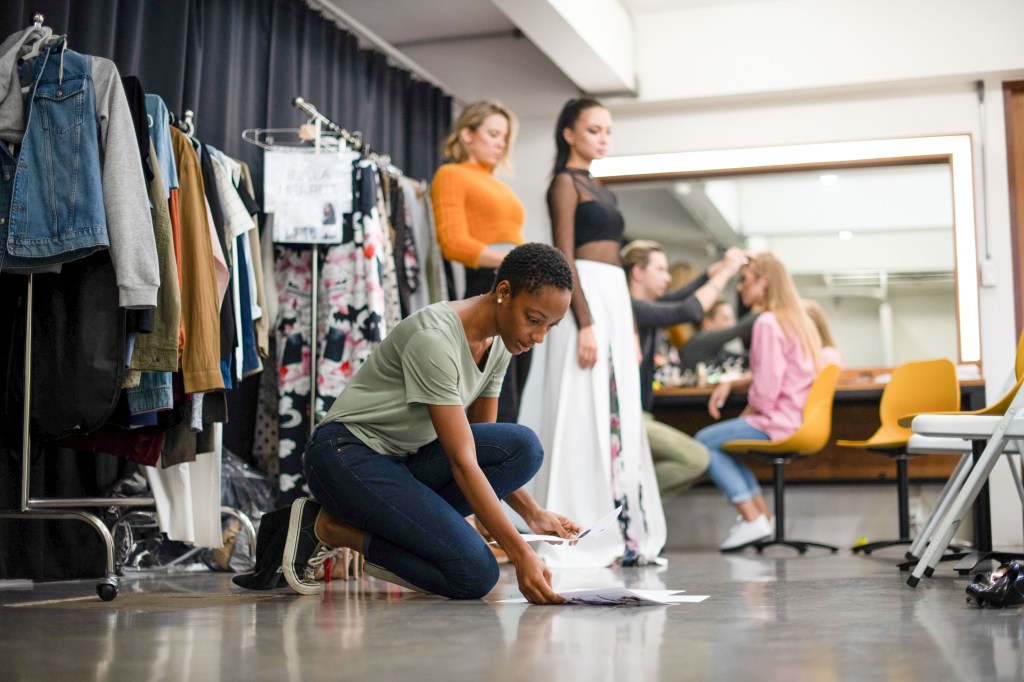
Backstage at an event venue functions as a high‑risk environment, distinct from the polished, public‑facing runway. Rapid outfit changes, exposed cables, mirrors, styling tools, and constant foot traffic all increase the likelihood of injury or equipment damage, making strong backstage access controls essential. These conditions can lead to third party claims if incidents impact talent, crew, or visiting media. This is especially important in backstage environments where models, stylists, dressers, production staff, and media may be moving quickly through tight spaces with limited visibility and little margin for error.
With models, stylists, production teams, and press often operating in shared, confined spaces, clearly defined roles and controlled access help reduce confusion and unauthorized entry. At the same time, model and talent liability considerations become more complex as individuals work under pressure in tight conditions. Even with well‑structured protocols, incidents can still occur, making coverage from an insurance company, supported by clear incident reporting and claims handling procedures, a critical safeguard that complements operational planning and helps manage backstage risk effectively.
Vendors, Sponsors, Production Partners, and Additional Insured Requirements
Fashion shows and other business events rely on a broad ecosystem of third parties, from AV teams and decorators to security personnel, bartenders, photographers, and brand sponsors running on‑site activations. Each vendor introduces its own operational risk, making it essential for event organizers to collect vendor and contractor COIs well in advance and verify proper coverage. Vendor contracts generally require caterers, tech crews, AV providers, security teams, and other production partners to carry their own insurance so the organizer is not left absorbing coverage gaps created by third-party work.
Strong agreements with clearly defined roles, supported by contract and indemnification clauses and the right additional insured coverage, help ensure accountability is properly assigned if a claim occurs. When coverage aligns with contractual responsibilities, event organizers reduce the likelihood of absorbing losses caused by third‑party actions and minimize costly coverage gaps during live production. In some cases, additional insured endorsements may be available as part of the policy structure, though more complex wording or unusual contractual requirements may require extra review by the insurance provider.
Samples, Wardrobe, and Brand Assets on Site
Wardrobe samples, accessories, and branded display pieces are often among the most valuable, and least replaceable, assets at a fashion event, regardless of the event type. In many cases, venues require proof of proper coverage to ensure these high‑value items are protected, making wardrobe and sample inventory coverage a critical consideration, especially when pieces are one‑of‑a‑kind and needed on tight timelines.

From transport and fittings to backstage handling and post‑show load‑out, these assets face ongoing exposure to loss, damage, or unexpected incidents. Unattended racks, shared staging areas, and rushed breakdowns increase vulnerability, particularly when combined with hired equipment and staging risks. Implementing clear asset tracking, along with structured incident reporting and claims handling procedures, helps ensure any issues are addressed quickly and effectively, protecting valuable items from arrival through final strike. Because standard policies may not automatically protect garments, samples, or inventory in every scenario, organizers should review exclusions carefully before assuming these assets are covered.
Managing Security, Media, and Filming Permissions Under General Liability Coverage
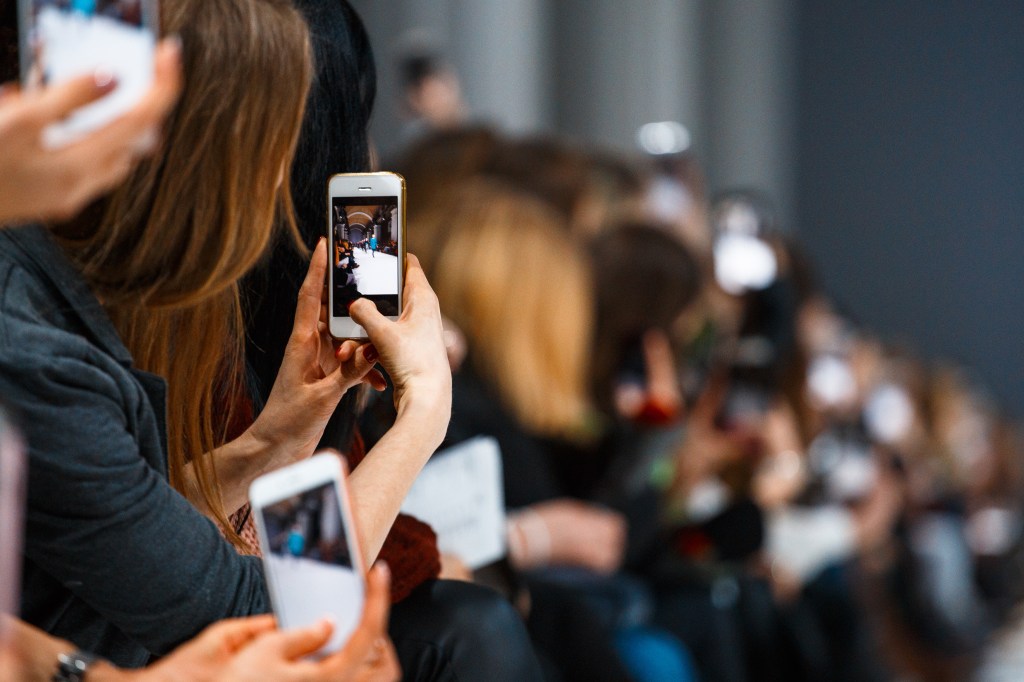
Media presence can significantly elevate risk at an event if not carefully managed, making event liability considerations even more critical. Camera crews, lighting stands, and cable runs introduce trip hazards, while photo calls and branded backdrops often create sudden crowd surges that impact overall safety and crowd control. Many venues and partners also require proof of insurance before media access is granted, reinforcing the need to properly purchase coverage that accounts for these exposures.
Conflicts may arise when photographers or content creators move beyond approved zones or fail to follow established filming permissions. Strong security planning, credential control, and clearly defined filming areas support effective backstage access management, helping organizers maintain order, protect restricted spaces, and reduce the likelihood of liability issues if incidents or disputes occur. Organizers should seek policies tailored to special events because fashion shows involve a different risk profile than a standard reception, meeting, or private gathering.
Receptions and After-Parties: Host Liquor and Crowd Dynamics
Post‑show receptions or after‑parties can quickly change the risk profile of special events, particularly when alcohol service is introduced. Increased activity around bar lines, dance floors, stairways, and exits heightens the likelihood of claims arising from slips, altercations, or injuries, making both event general liability and liquor liability coverage essential considerations. Liquor liability coverage is essential for fashion events where alcohol is served because it helps protect against claims related to intoxicated attendees.
As crowd movement becomes less structured, exposures grow, and risk management must align closely with the terms outlined in the venue contract. Whether alcohol service is handled by the venue, a licensed caterer, or the organizer, clearly defined responsibilities and appropriate coverage help ensure liability is properly addressed. Coordinating crowd dynamics with service flow, supported by adequate liquor liability coverage, allows event organizers to balance guest experience with proactive protection against potential claims. Organizers should confirm whether liquor liability is included, excluded, or available as an added coverage option, especially when alcohol service is handled by a caterer, sponsor, venue, or third-party bar provider.
Event Cancellation, Postponement, and Reputation Pressure
Fashion calendars leave little room for error, and when disruption occurs, the impact extends far beyond immediate financial loss. Venue issues, talent no‑shows, weather events, or production failures can prevent the event held from moving forward, triggering non‑refundable deposits, sunk costs, and sponsor obligations. These scenarios highlight critical insurance needs, where cancellation coverage becomes essential to help offset losses and protect invested resources.
Ensuring the right protections are in place requires careful review of policy documents, along with clear contract and indemnification language that defines financial responsibilities. Beyond direct costs, reputational pressure from designers, brands, and media can intensify the impact. Well‑structured fashion show insurance, supported by comprehensive cancellation coverage, provides the financial protection and flexibility organizers need when unforeseen circumstances make it impossible to execute the event as planned.
Sources:
https://www.linkedin.com/pulse/legal-side-fashion-shows-what-designers-must-secure-before-akwaboah-zvk5e/
https://sceptreprotection.com/operations/event-security-at-international-fashion-show/
https://yourfashionlawguide.com/2025/07/01/before-the-heels-hit-the-runway-the-fashion-show-legal-checklist/
https://nikonikoevents.com/runway-ready-strategies-for-a-seamless-fashion-show-experience/
https://www.mdpi.com/2075-471X/8/4/29
https://dcfashionweek.org/the-ultimate-guide-to-planning-a-fashion-event/