
Essential Guide to Host Liquor Liability Insurance for Event Planners
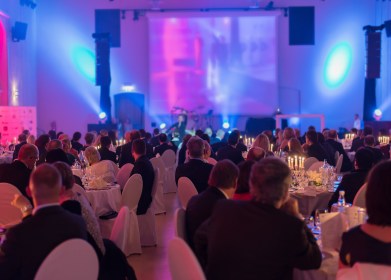
Receptions and mixers bring together several of the most common event liability exposures in a single setting, including large crowds, live music, busy social environments, slippery walking surfaces, and alcohol service. Event liability insurance and special event insurance can help address these risks, but alcohol service may create additional coverage considerations. While these gatherings are…
Receptions and mixers bring together several of the most common event liability exposures in a single setting, including large crowds, live music, busy social environments, slippery walking surfaces, and alcohol service. Event liability insurance and special event insurance can help address these risks, but alcohol service may create additional coverage considerations. While these gatherings are designed to create enjoyable networking and social opportunities, they can also increase the likelihood of accidents, injuries, and other liability claims. Alcohol-related incidents are often a particular concern because the consequences can extend beyond the event itself, creating potential exposures both on and off the venue premises.
This is why many venues place special emphasis on alcohol risk and include specific venue liquor insurance requirements for events where alcohol will be served. In many cases, organizers may need host liquor liability insurance to help address claims arising from intoxication-related incidents when alcohol is provided to guests but not sold. This coverage can help fill important gaps in a homeowners policy or general liability policy, making it an important component of the event’s broader risk management strategy.
Host liquor liability coverage is generally intended for individuals and organizations whose regular business operations do not involve selling, serving, furnishing, or manufacturing alcohol. Businesses that serve or sell alcohol regularly typically need liquor liability insurance, which provides broader protection for alcohol-related incidents arising from their ongoing operations. By understanding and planning for these risks, organizers can host memorable events while demonstrating a commitment to guest safety, responsible alcohol service, and venue compliance.
Host Liquor Liability Insurance for Hosted and Open Bars
Venues often ask detailed questions about how alcoholic beverages will be served because the service structure can have a significant impact on event risk. Whether guests are served through a hosted bar, an open bar, a cash bar, drink tickets, or a limited tasting format, each approach creates a different exposure profile and may influence the insurance requirements for the event. For example, open bars can increase the potential for overconsumption, while drink ticket programs and tasting events may help encourage more controlled service.
Depending on the location, organizers may also need to comply with local regulations or obtain a liquor license when serving alcohol. Getting a quote for host liquor liability insurance is usually straightforward. The insurance company will generally ask for basic event details such as the date, venue address, guest count, event duration, and specifics about how alcohol will be served. These details also influence pricing, with guest count, location, and duration among the most important cost factors. Coverage for a small wedding may be available for as little as approximately $66 through some providers, although wedding host liquor coverage more commonly falls between $100 and $500. Actual pricing depends on the event and the coverage selected, so organizers should obtain a quote rather than relying on a general estimate.
Regardless of the service model, venues typically expect organizers to implement safeguards such as trained bartenders, ID verification procedures, monitored service areas, and access to food and nonalcoholic beverages. These precautions are especially important for weddings, where alcohol may be served during the rehearsal dinner, ceremony, reception, or another related gathering. Most wedding liability policies cover related events within a defined period, often a 72-hour window, but organizers should confirm the exact dates and activities included in their policy. In addition, the way alcohol is served may affect the liability limits required by venues or outlined in event contracts. By selecting a service structure that aligns with the event’s goals and risk profile, organizers can support responsible alcohol service, reduce the potential for incidents related to drunk driving, meet venue requirements, and create a safer experience for guests when serving alcohol at their event.
How Host Liquor Liability Insurance Fits with General Liability Insurance
General liability insurance provides valuable protection for many common event-related risks, including third-party bodily injury claims and property damage that may occur during a reception, mixer, or wedding ceremony. However, accidents and alcohol-related incidents can arise from unforeseen circumstances, creating exposures that may extend beyond the event itself.
Understanding the differences between general liability and liquor liability insurance can help organizers evaluate the right coverage for their event. General liability coverage addresses a broad range of claims involving bodily injury or property damage, while host liquor liability focuses on risks associated with serving and consuming alcohol. Depending on the policy, it may help cover medical bills, court costs, legal expenses, and settlements arising from a covered alcohol-related incident. These protections can be important even when the host is ultimately not found negligent. Defending an alcohol-related claim can generate substantial court costs and legal fees before the case ever reaches trial, leaving an uninsured host with a significant financial burden.
Together, these policies can serve as an important safety net, helping event hosts prepare for both on-site and off-site incidents while creating a more comprehensive risk management strategy.
Event Liability Insurance, COIs, and Additional Insureds

Most venues require proof that appropriate event liability insurance is in place before allowing an event to proceed, particularly when alcohol will be served. Many commercial venues require a certificate of insurance demonstrating at least $1 million in liability coverage, although the exact minimum depends on the venue contract and event risk. In addition, venues frequently request an additional insured endorsement, naming the venue on the policy to help satisfy contractual insurance requirements. In practical terms, many venues will not allow organizers to open the bar—or even pop the champagne—until the required proof of coverage has been approved.
To avoid last-minute issues, organizers should review venue insurance specifications well in advance and ensure policy effective dates cover the entire event timeline, from setup and vendor arrival through teardown and load-out. Event-specific policies may allow hosts to select the number of days for which coverage is needed, while some insurers offer host liquor liability coverage lasting up to one year. It is also important to confirm any contract-specific provisions, including primary and noncontributory wording, waiver of subrogation requirements, and other venue-mandated endorsements.
Addressing these requirements early can help streamline the approval process, support contractual compliance, and reduce the risk of coverage gaps that could delay or disrupt an event.
Managing Event Liability with Bartenders, Caterers, and Third-Party Alcohol Partners
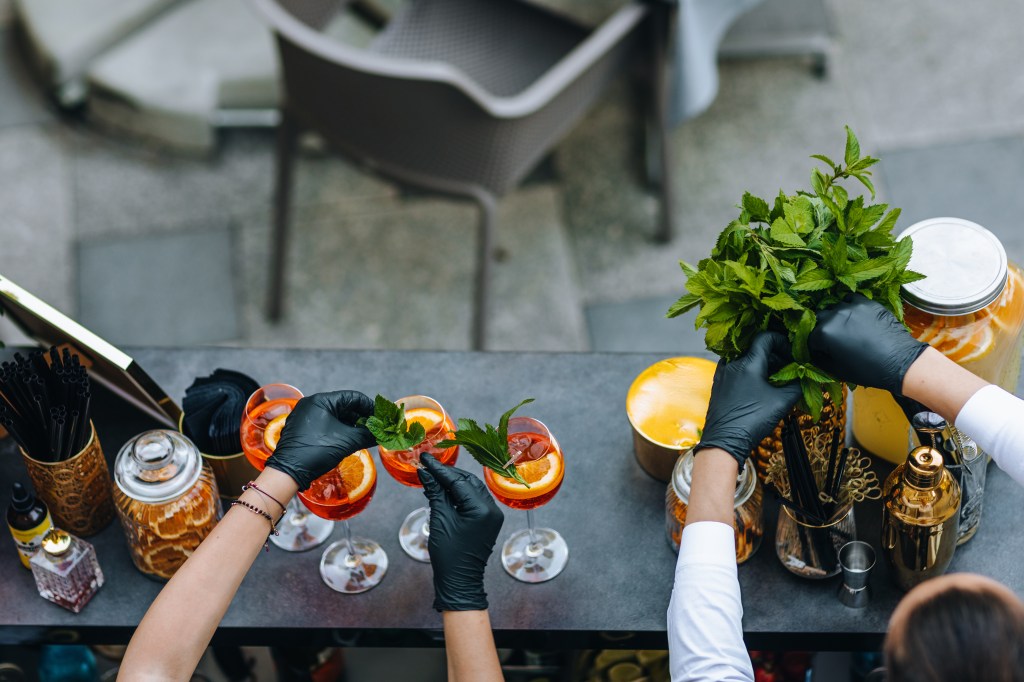
Even when an event organizer purchases the alcohol, the responsibility for serving it is often delegated to a venue, caterer, or professional bartending service. Because these third-party alcohol partners typically control alcohol service, staffing levels, guest monitoring, and ID verification procedures, they may also have their own insurance and licensing obligations.
To help clarify responsibilities and reduce potential coverage disputes, event organizers should request and review bartender and caterer COIs early in the planning process, along with any relevant policy documents outlining insurance requirements and responsibilities. These documents can help verify that vendors meet venue liquor insurance requirements and maintain appropriate liability and liquor-related coverage. However, a venue, caterer, or bartending company having its own insurance does not necessarily eliminate the organizer’s need for a separate host liquor liability policy. Each policy protects different parties and activities, so organizers should confirm how the coverages work together rather than assuming a vendor’s insurance provides complete protection.
Organizers should also review any contract provisions that require specific endorsements, such as waiver of subrogation wording, additional insured status, or other insurance obligations. In addition, vendors should be familiar with applicable state laws, including regulations related to alcohol service and underage drinking, as compliance failures can increase liability exposures. Understanding the covered reasons for potential claims and how responsibilities are allocated among parties can help reduce confusion if an incident occurs.
By confirming coverage and responsibilities in advance, event hosts can help ensure accountability remains with the party managing alcohol service while strengthening their overall risk management strategy before guests arrive.
Tastings and Limited-Pour Events: Understanding Coverage Limits
Tastings and limited-pour events are often perceived as lower-risk gatherings, but they still involve many of the same exposures associated with traditional alcohol service. Whether attendees are enjoying free drinks or participating in a structured tasting experience, guests may move between multiple stations, consume several samples over a short period, and experience varying levels of impairment without realizing it.
As a result, organizers should take proactive steps to support both guest safety and risk management. Establishing clear pour sizes, pacing alcohol service throughout the event, providing ample water and food options, and monitoring service areas can help reduce the potential for overconsumption. These precautions are important regardless of whether the event involves hosting alcohol or selling alcohol. Trained staff should also remain attentive to guest behavior and be prepared to limit service when necessary.

In addition, maintaining thorough incident reporting for alcohol-related claims can help document response efforts and support a stronger defense if an issue arises. Because most venues have expectations regarding responsible alcohol service, these practices can help organizers meet venue requirements while protecting guests. For small businesses hosting tastings, mixers, or promotional events, implementing thoughtful alcohol management procedures can create a safer experience for attendees while strengthening the defensibility of event operations should a claim occur.
Common Claim Scenarios at Receptions
Receptions and mixers can generate a variety of liability claims, especially when alcohol service is part of the event. Common scenarios include a guest who slips near a bar where a spill has created a hazardous walking surface, an altercation that results in bodily injury or property damage, an accident on a crowded dance floor, or a motor vehicle collision involving an intoxicated guest after leaving the venue. These risks are not limited to corporate receptions and can also affect small weddings and other special events where alcohol is served. In many claims, guest actions and questions surrounding alcohol service practices become key factors in determining liability.
These incidents can lead to significant third-party bodily injury claims, particularly when over-service and intoxication risk are alleged. This is one of the primary reasons venues and insurers treat alcohol exposure as a separate underwriting consideration rather than simply another aspect of general event risk. By understanding these common claim scenarios and securing appropriate reception insurance, event organizers can better manage potential liabilities while demonstrating a proactive commitment to guest safety and responsible alcohol service.
Liability Insurance Limits and When Venues Require More

Not all events carry the same level of alcohol-related exposure, which is why some venues impose higher liability requirements for receptions with large guest counts, extended service hours, or late-night activities. For large events, understanding and meeting venue liquor insurance requirements is an important part of the application process, particularly when alcohol service is involved. Event planning and insurance should work hand in hand to address potential risks before guests arrive.
In these situations, organizers should carefully review venue contracts and ensure that coverage limits, endorsements, and supporting documentation, including a certificate of insurance (COI), align with the venue’s specifications. This may include higher limits for Host Liquor Liability For Receptions, additional insured endorsements, or other policy provisions required as a condition of venue approval. By securing appropriate coverage and confirming all insurance requirements well before the event date, hosts can help streamline approvals, avoid last-minute complications, and reduce the likelihood of being held responsible for claims that could have been addressed through proper insurance planning.
Hosts should also remember that liability insurance and event cancellation coverage address different risks. Liability coverage responds to eligible third-party claims, while event cancellation insurance may reimburse certain non-refundable expenses when an event is cancelled or postponed for a covered reason. Ultimately, thoughtful preparation, responsible alcohol service, and properly structured insurance coverage work together to create a safer and more successful event experience for everyone involved.
Sources:
https://acera.ca/host-liquor-liability-everything-you-need-to-know/
https://giffordcarr.ca/blog/host-liquor-liability-insurance/
https://www.covermyconfetti.com/blog/event-insurance-hub-35/event-insurance-coverage-breakdown-62
https://www.reventals.com/blog/what-is-the-difference-between-a-host-bar-and-an-open-bar/
https://www.covermyconfetti.com/special-event-insurance-hosts-only
https://beerrepublic.eu/blogs/news/how-to-host-tastings