
Understanding Damage to Premises Rented to You: Coverage Essentials
Why Premises Rented Coverage Matters for Event Venues For event venues, even a small accident can lead to unexpected costs and questions about who pays. Damage to premises rented to you is the part of a general liability policy that can cover accidental property damage an insured causes to a space they rent, such as…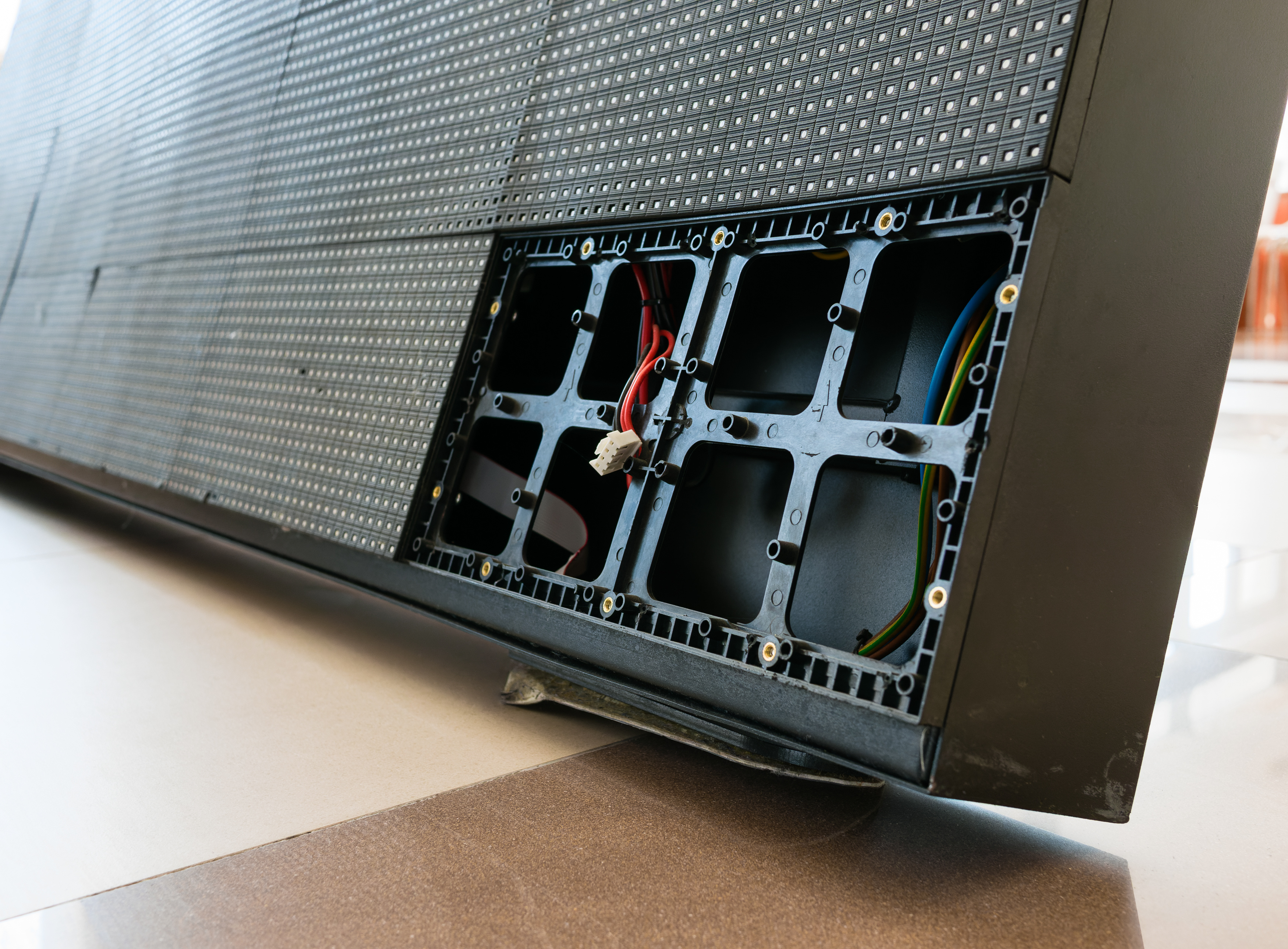
Why Premises Rented Coverage Matters for Event Venues
For event venues, even a small accident can lead to unexpected costs and questions about who pays. Damage to premises rented to you is the part of a general liability policy that can cover accidental property damage an insured causes to a space they rent, such as a ballroom, hall, or gallery. It may look like a minor detail in a venue contract, but understanding it helps brokers explain how a short-term special event insurance policy may respond when an organizer damages the rented space. It also helps clients prepare for venue requirements and the financial impact of property damage during an event.
What Damage to Rented Premises Coverage Usually Means
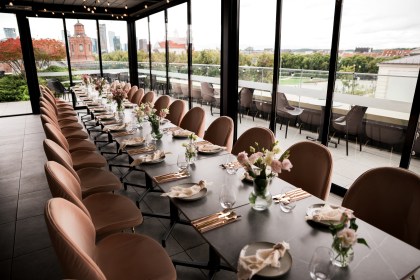
This coverage addresses an insured’s legal responsibility for accidental damage to property they rent or temporarily use. For event organizers, that might be a banquet hall, gallery, conference room, community center, or office space reserved for a single gathering, whether it’s a wedding reception, a corporate seminar, or a baby shower. Because the organizer is using a building owned by someone else, even minor damage can raise questions about who is responsible and whether coverage applies.
This protection is built into the standard general liability policy rather than added as a separate endorsement. Older policies called it fire damage legal liability because it originally applied only to fire damage. Today’s forms cover more, but how much they cover depends largely on how long the space is rented.
The Difference Between Rented Space and Your Own Property
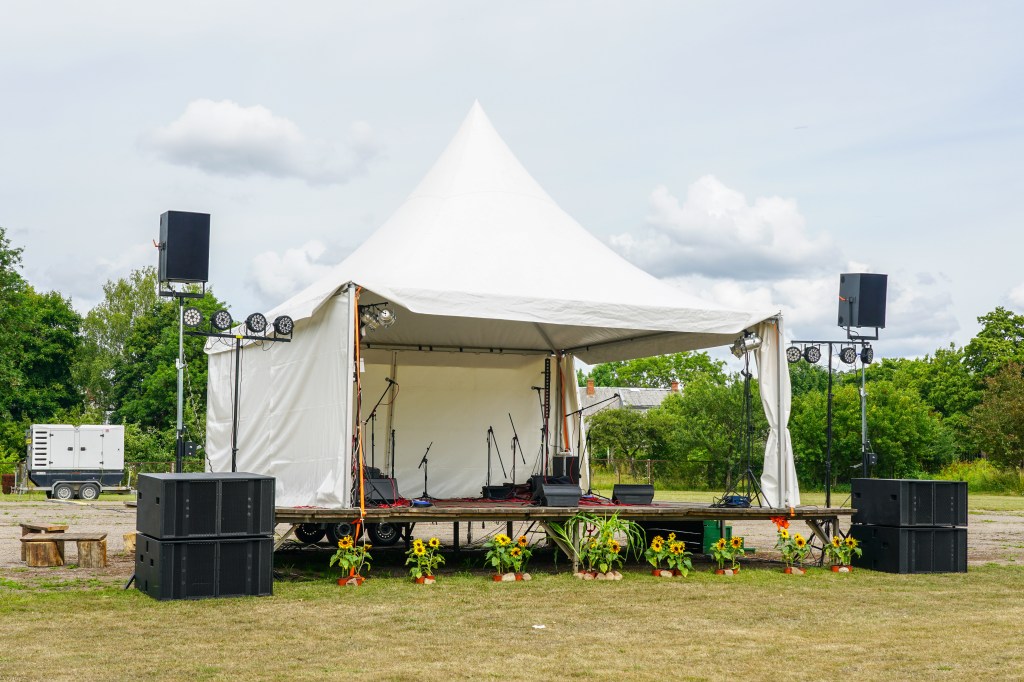
It’s important to separate damage to the rented space from damage to property the organizer brings in. For rentals of seven days or fewer, the coverage generally extends to the venue and its contents, such as venue-owned tables, chairs, and fixtures. An organizer’s own décor, equipment, or inventory, and items rented from a third-party company, typically need separate protection.
For example, a broken venue chandelier and a damaged sound system brought in by the organizer are handled differently, and the repair or replacement costs may fall under different coverage. Explaining this distinction helps brokers decide whether the client needs a higher limit or additional coverage for their specific event risks.
The Seven-Day Rule Brokers Should Understand
For short-term events, how long the venue is rented makes a big difference. Standard general liability forms treat rented premises in two ways:
- Rented for seven or fewer consecutive days: Coverage generally applies to accidental property damage to the premises and its contents from most causes, such as a dropped speaker that cracks a floor tile or a spill that ruins a rug, subject to the policy’s other exclusions.
- Rented for more than seven consecutive days: After seven days, only accidental fire damage is covered.
This is a key difference between an event organizer and a tenant on a long-term lease. A business that rents a building for years may need other coverage for non-fire damage, while most one-day events fall well within the seven-day window. Multi-day festivals, trade shows with long setup periods, and pop-up events can get closer to the line, so confirm exactly when venue access begins and ends and make sure the policy dates match.
Common Event Liability Insurance Claims This Coverage Helps Explain
Real-world examples can make coverage easier for event clients to understand. A candle could start a fire that damages a venue wall, a temporary installation might scratch the flooring, or a setup crew could accidentally break a fixture while preparing the space.
In these situations, clients may have questions about whether the company renting the venue is responsible and whether the insurer may pay for covered damage under the applicable policy terms. Using practical scenarios like these can help brokers explain potential risks in a clear, relatable way and show why having the right protection matters when renting a venue.
What to Do If a Venue Claims Your Client Caused Damage
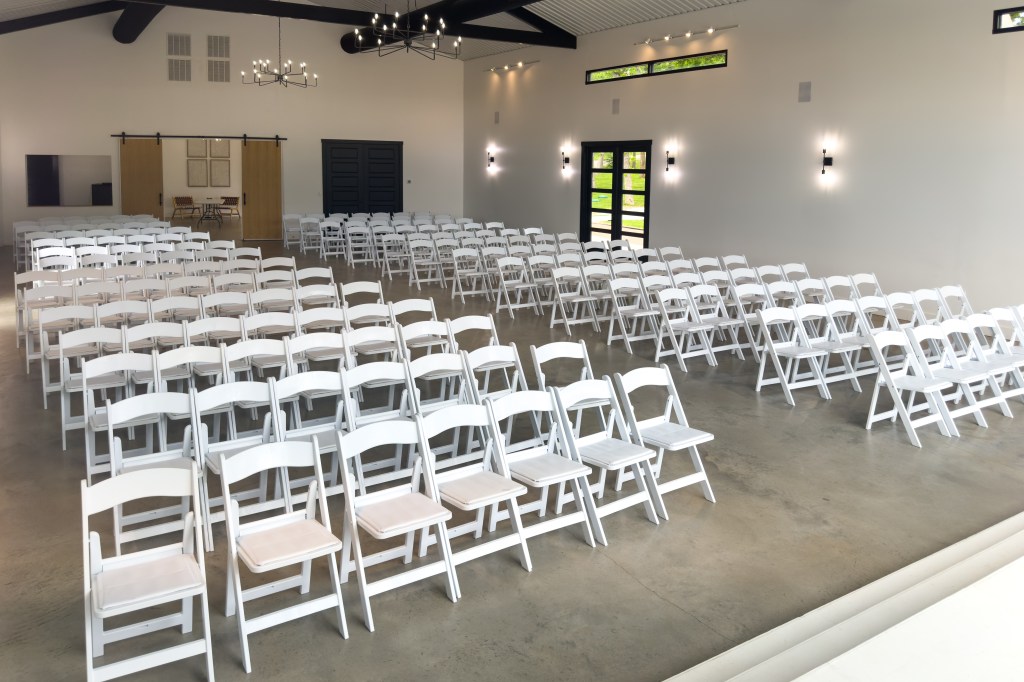
Documentation is the best defense in a damage dispute. Both the organizer and the venue should document the property’s condition extensively before setup and after teardown, ideally with time-stamped photos or videos. If damage happens during the event, the organizer should photograph it immediately and notify the venue in writing as soon as possible. Keeping records of every email, text, and inspection report about the damage can protect the organizer if the venue later disputes what happened.
It also helps to know where responsibility usually falls. In a typical landlord-tenant relationship, the tenant is generally not responsible for normal wear and tear, while the landlord is responsible for structural issues and major system failures in the building, such as a failed HVAC unit or a burst pipe the renter didn’t cause. If a client notices a leak or a broken fixture, they should report it to the venue right away, since failing to report maintenance issues promptly can make a renter liable for further damage.
If the venue says your client caused damage, ask for an itemized statement of the repairs along with receipts or estimates. When a landlord keeps part of a security deposit for damage, many states require an itemized list of deductions, and many venue rental agreements include a similar requirement. The exact rules vary by state or locality, so clients should review their rental agreement before agreeing to pay.
Limits, Sublimits, and Contract Requirements
Damage to rented premises coverage has its own limit, separate from the broader general liability limit. On a standard general liability policy, this coverage is subject to a specific limit that represents the maximum amount the policy will pay for damage to anyone premises. Depending on the policy and insurer, higher limits may be available for an additional premium. Any payment under this coverage also counts toward the policy’s each-occurrence limit and reduces its general aggregate.
Brokers can help clients compare their coverage limit with the venue contract, since some venues may require higher limits, and identify whether certain types of damage are excluded. This review also helps clients obtain a certificate of insurance (COI) that accurately reflects their coverage and meets the venue’s requirements before the event.
How Much Does Event Insurance Cost?
Event insurance costs vary based on factors such as the event type, guest count, location, whether alcohol is served, and the coverage limits required by the venue. In general, higher coverage limits and higher-risk events will result in higher premiums.
When clients compare quotes, brokers can help shift the conversation beyond price and discounts to the question that matters most: Does the policy meet the venue contract requirements? A lower-cost policy may not provide the required coverage, which could prevent the event from being approved.
COIs, Additional Insureds, and Venue Approval
Securing a venue often involves more than simply providing proof of insurance. Before clients purchase coverage or sign a lease or rental agreement, having a clear knowledge of the venue’s insurance requirements can help prevent documentation issues.
Venues may request a certificate of insurance (COI) showing specific general liability limits, additional insured status, and a minimum damage to rented premises limit, which appears as its own line on the standard ACORD 25 certificate. Brokers can help clients review these details so the documentation matches the venue’s requirements and the booking isn’t delayed.

What This Liability Coverage Does Not Replace
Rented premises coverage plays an important role in event liability insurance, but it isn’t designed to cover every loss. Intentional damage isn’t covered, and neither is damage from acts of God, such as storms, floods, or earthquakes, because the organizer generally isn’t legally responsible for those events. Water damage and other incidents may also be limited by the length of the rental and the policy’s exclusions. And because this is liability coverage, it doesn’t protect the organizer’s own décor, equipment, or inventory, which typically requires property or inland marine coverage.
When clients rent a venue, brokers can help them understand which types of claims may fall within the policy and which risks may require additional protection. Viewing these coverages as parts of a broader event insurance plan can give clients a clearer understanding of what may and may not be covered.
Making This General Liability Insurance Clause Easier for Clients to Grasp

Insurance language in a venue contract can feel complicated, especially for clients who don’t know how rented premises provisions fit within general liability insurance. Brokers can simplify the conversation with everyday examples: a scuffed wall, a scratched floor, a broken fixture, or a cleanup bill after the event. Relatable scenarios help clients understand why a venue requires this protection and how it fits into a well-protected event.
Sources:
https://www.insurancecanopy.com/glossary/damage-to-premises-rented-to-you
https://www.irmi.com/term/insurance-definitions/damage-to-premises-rented-to-you
https://www.progressivecommercial.com/business-insurance/general-liability- insurance/damage-to-premises-rented-to-you/
https://suracy.com/damage-to-premises-rented-to-you/
https://www.focoins.com/coverages/general-liability-damage-to-premises-rented-to-you
https://www.thecontractorsresourcecenter.com/what-is-damage-to-premises-rented-to-you-and-what-does-it-cover/
https://www.cinfin.com/cincinnati-insurance-resources/property-and-liability/rented-building-damage