

Outdoor Movie Insurance: Who Needs Coverage & Why
Organizations that host outdoor screenings, including neighborhood movie nights, city-sponsored park series, film festivals, and outdoor concerts, often need coverage before they unfold the first chair. Community groups, nonprofits, schools, municipalities, event planners, and small businesses all take on real exposure the moment a screen goes up, and an audience gathers. Weather changes, equipment failures,…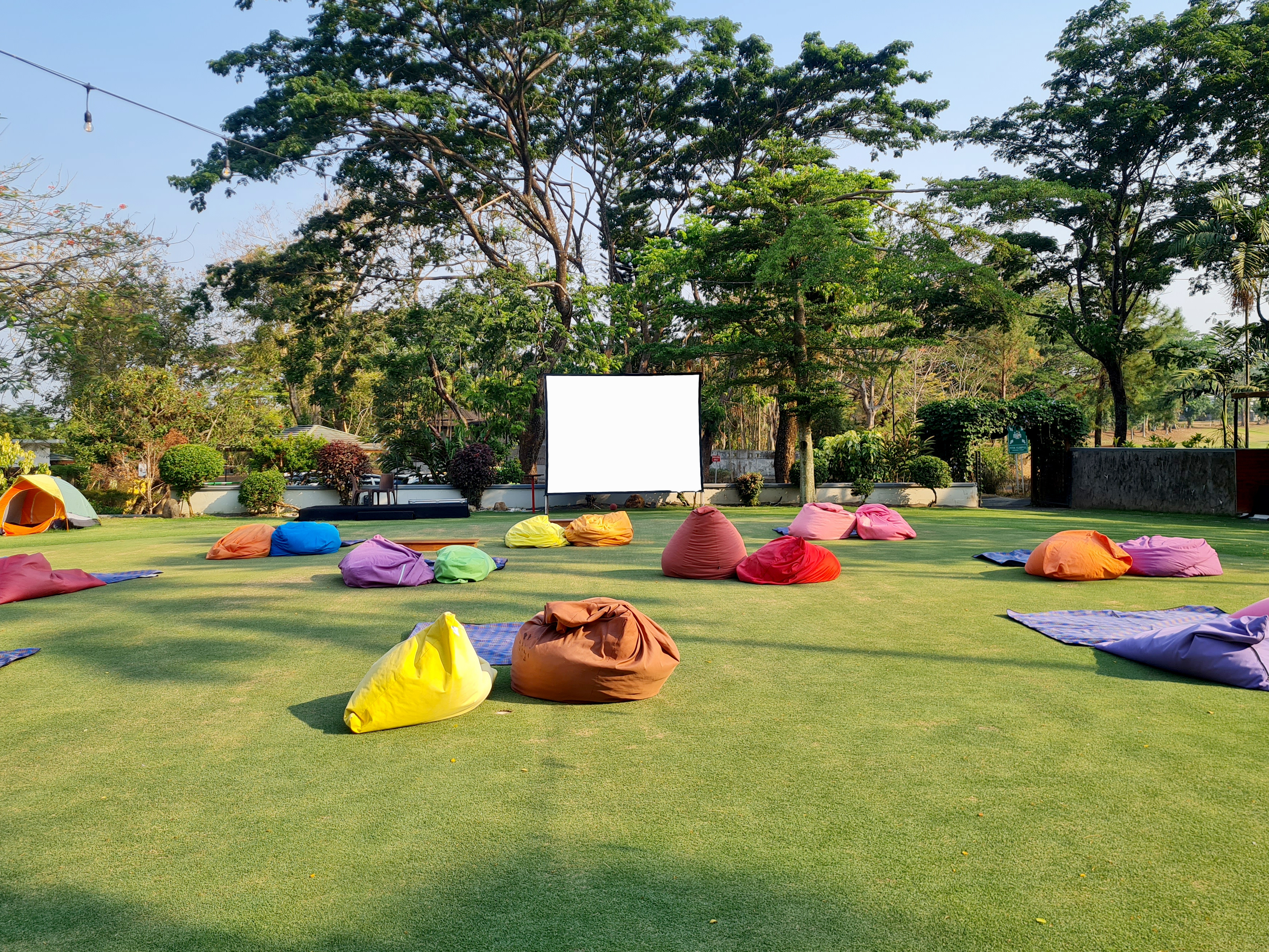
Organizations that host outdoor screenings, including neighborhood movie nights, city-sponsored park series, film festivals, and outdoor concerts, often need coverage before they unfold the first chair. Community groups, nonprofits, schools, municipalities, event planners, and small businesses all take on real exposure the moment a screen goes up, and an audience gathers.
Weather changes, equipment failures, accidental injuries, or property damage can quickly turn a well‑intentioned event into a costly disruption. Outdoor screening insurance, sometimes called outdoor movie insurance, along with event general liability coverage, helps protect attendees, public spaces, and partner venues, ensuring that one unexpected incident doesn’t cut an entire season of screenings and events short.
Licensing, Permits, and Venue Approvals for Special Events
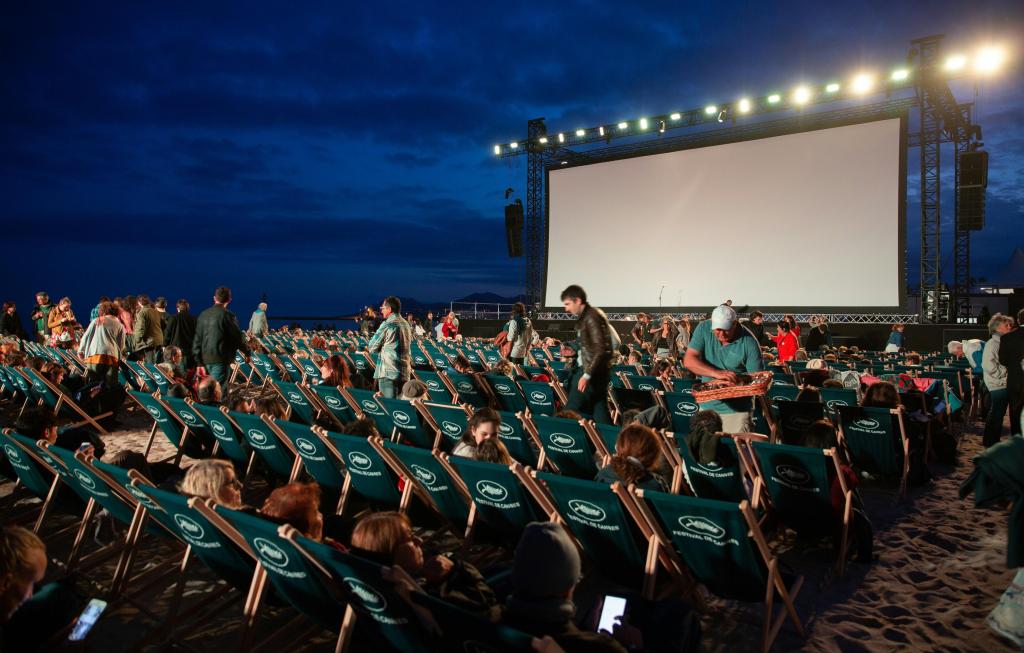
You should obtain licenses, permits, and venue approvals as a crucial step for any outdoor screening and complete these tasks well before you begin promoting the event. Event organizers must ensure public showings qualify under public performance licensing requirements, along with local permits that often dictate approved dates, audience size limits, sound restrictions, and site‑control responsibilities. Many municipalities and park systems also require park permit insurance, making it essential to provide proof of coverage through a certificate of insurance that aligns precisely with the permitted timeframe, covering setup, showtime, and breakdown.
The importance of keeping licensing, permits, and insurance fully synchronized cannot be overstated. Gaps or mismatches can directly affect venue access, delay approvals, or result in last‑minute cancellations or shutdowns on event day. When documentation is aligned and submitted correctly, organizers reduce friction with venue managers and help ensure events run smoothly from first setup to final teardown.
Understanding General Liability Insurance: Core Liability in Parks and Plazas
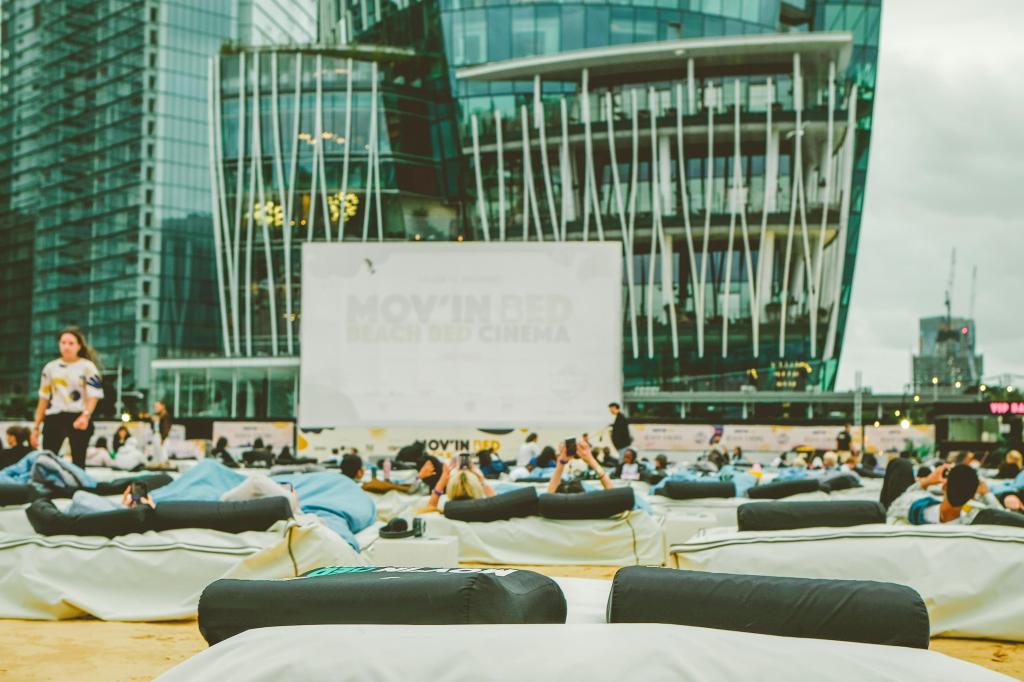
Core liability in parks and plazas is a central consideration when hosting outside screenings, especially in open‑air public spaces that may also be used for play, parties, fairs, and other community activities. Uneven ground, exposed cables, temporary seating, and crowded entry or exit points increase the likelihood of slips, trips, and minor injuries, making slip‑and‑fall liability a common concern. The presence of volunteers assisting with setup, guest flow, or concessions can further expand the risk profile.
Because these environments are shared with the general public, organizers should structure event general liability for screenings around expected attendance, the overall event footprint, and any higher‑risk elements such as bleachers, elevated viewing areas, or staging structures. Thoughtful planning for crowd control and barricade liability, paired with properly sized coverage, helps protect against claims, meet park and municipal requirements, and keep events safe, compliant, and uninterrupted.
Screens, Projectors, Power, and Sound for Film Screenings
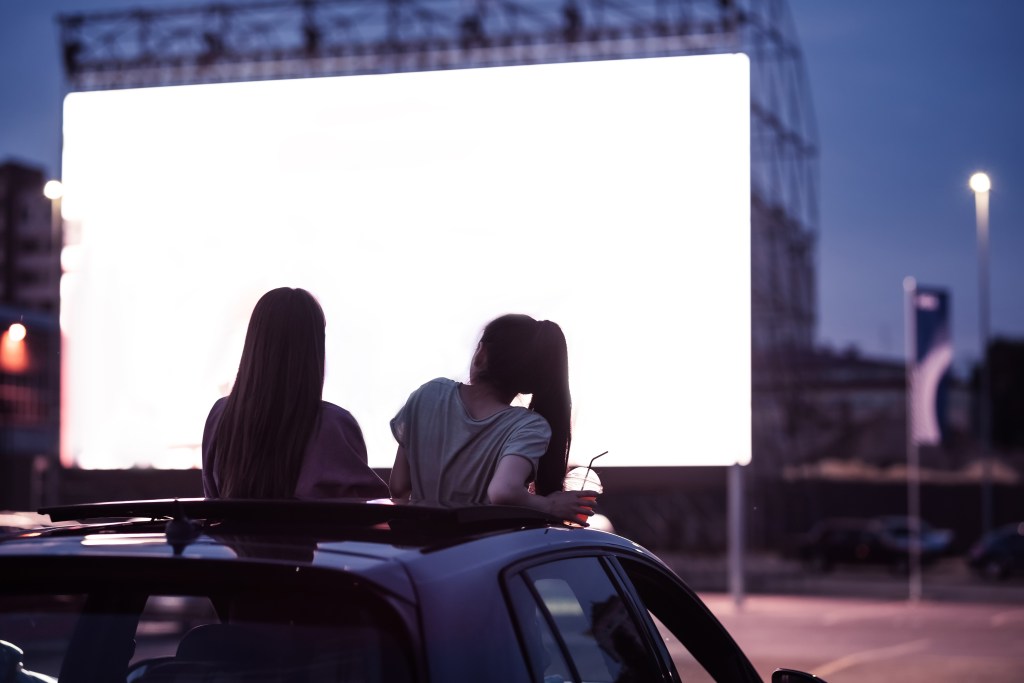
Screens, projectors, power, and sound systems are among the most vulnerable and most valuable assets at an outdoor screening, whether the event mirrors a pop‑up theater experience or supports community parties and public gatherings. Inflatable screens, high‑lumens projectors, and portable PA systems are routinely exposed to wind gusts, moisture, unstable power sources, and accidental contact, making equipment‑related accidents a common concern. As a result, inflatable screen insurance, along with projector and audio equipment coverage are essential considerations. Organizers should extend property coverage to include all equipment on‑site, from load‑in through strike.
Adding generator and power supply coverage, along with audio‑gear endorsements written at full replacement cost, helps ensure that damage caused by power fluctuations, weather, or unexpected accidents doesn’t lead to significant out‑of‑pocket expenses or disrupt future screenings, parties, or live events.
Weather, Postponement, and Cancellation for Outdoor Events
Unexpected conditions are a constant reality for outdoor screenings, especially for multi‑day events and fundraising events where schedules and budgets are tightly planned. Rain, wind, extreme temperatures, or sudden utility failures can quickly force postponements or cancellations, increasing exposure to property damage and liability claims. These disruptions often trigger added expenses such as rebooking vendors, rescheduling talent, issuing refunds, and covering additional logistical and communication costs.
Outdoor movie insurance that includes cancellation or postponement coverage can help offset these financial impacts, particularly when weather or utility issues affect multiple event days. When paired with a clear communication plan, this coverage becomes even more effective. Proactively outlining contingency policies and keeping sponsors, partners, and audiences informed helps preserve trust, reduce confusion, and keep programs moving forward, even when plans have to change.
Seating, Crowd Flow, Trip Prevention, and Property Damage
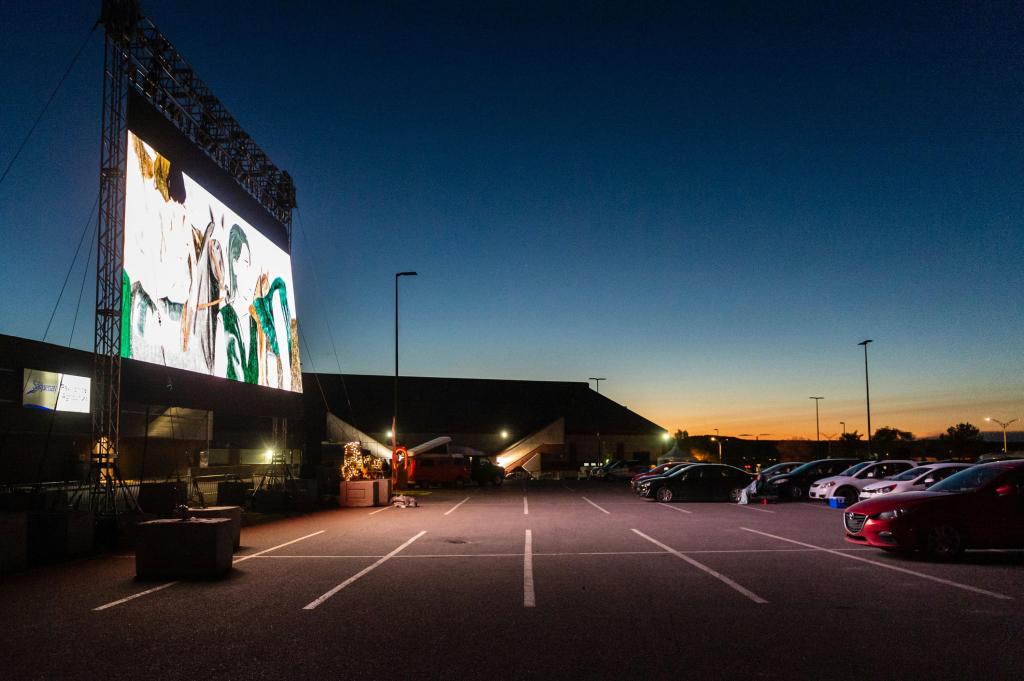
Audience comfort and safety at outside screenings and larger festivals depend heavily on how seating and foot traffic evolve throughout the event. Blankets spread across lawns, low‑profile chairs, stroller parking, and informal aisles can shift movement patterns and create unexpected congestion, increasing exposure to slip‑and‑fall hazards, bodily injury, and other common injuries. To reduce the likelihood and severity of incidents, organizers should establish clearly defined seating zones, plan safe, secure cable runs, and ensure that all egress paths remain visible and well‑lit after dark.
Thoughtful planning for crowd control and barricade liability, paired with appropriate setup and teardown coverages, strengthens overall insurance protection during every phase of the event. Documenting these controls, supported by on‑site monitoring, volunteer oversight, and clear signage, helps minimize trip hazards, improve crowd flow, and reinforce defensibility if bodily injury or liability claims arise.
Vendors, Food Trucks, and Host Liquor Liability
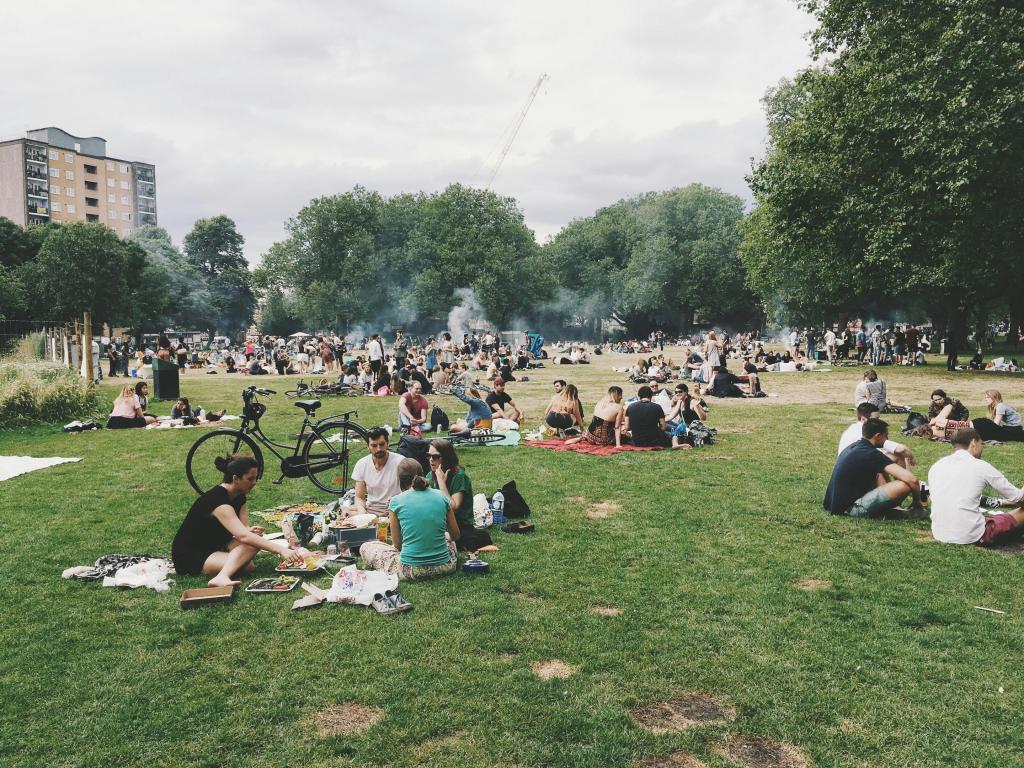
When you incorporate concessions, food trucks, and beverage service into film screenings, you add extra liability considerations that you must address alongside the main event. Since food vendors typically operate as independent businesses, you need to establish proper insurance requirements, including coverage for food vendors and food trucks, as part of your planning process. Vendors usually provide Certificates of Insurance (COIs) that name you, the venue, and, when applicable, municipal entities as additional insured parties.

Collecting and reviewing this documentation in advance helps ensure compliance with permit conditions and venue policies while reinforcing proper insurance protection for all parties involved. When you serve alcohol at film screenings, you need host liquor liability coverage for protection. You can enhance this safety by implementing controlled service areas, installing fencing, and using proper ID verification procedures. Together, these measures help reduce alcohol‑related risk, satisfy permit language, and keep screenings operating smoothly, safely, and within venue requirements.
Event Insurance Sizing Limits, COIs, and Effective Dates
Getting limits, certificates, and effective dates right is what ultimately ties an outdoor screening program together. You should size coverage based on your actual exposure, expected headcount, equipment values, and municipal minimums. Choose deductibles that remain manageable in case of claims related to bodily injury or property damage, and include coverage for damage to premises that you rent. Working closely with an experienced insurance agent helps organizers navigate industry requirements and structure coverage that truly protects the event, not just satisfies minimum thresholds.
Equally critical is issuing venue‑ready certificates of insurance for parks and public spaces, with accurate additional insured wording for municipalities and effective dates that span from load‑in through final teardown. When event organizers align limits, Certificates of Insurance (COIs), and timelines, they minimize friction with parks and municipalities. This proactive approach helps them avoid last-minute access issues and strengthens their position in case any claims related to the event arise. Ultimately, this alignment allows organizers to focus on delivering a seamless and well-protected experience for audiences, partners, and sponsors.
Sources:
https://www.funflicks.com/2024/06/04/outdoor-movie-night/
https://www.oreateai.com/blog/navigating-public-film-screenings-a-guide-to-licensing/bc3e8d135743893fd26db93052c2c008
https://blog.southernoutdoorcinema.com/rule-for-showing-movies-outdoors-in-public/
https://www.openaircinema.us/blogs/news/how-to-plan-and-operate-a-successful-outdoor-movie-screening
https://www.bigscreenpro.com/blogs/news/outdoor-movie-night-essentials
https://www.audiofetch.com/outdoor-movie-screening/