

Religious Event Insurance: Who Needs Coverage & Why
From weekly services to seasonal picnics, community fundraisers, and mission trips, religious organizations take on real responsibility the moment an event is announced. With attendees, volunteers, and often borrowed or public venues involved, even a minor incident can create unexpected liability. Special event insurance designed for faith‑based needs, including religious event insurance, church event insurance,…
From weekly services to seasonal picnics, community fundraisers, and mission trips, religious organizations take on real responsibility the moment an event is announced. With attendees, volunteers, and often borrowed or public venues involved, even a minor incident can create unexpected liability.
Special event insurance designed for faith‑based needs, including religious event insurance, church event insurance, and ministry event liability coverage, helps protect missions, budgets, and communities. With the right coverage in place, congregations and ministries can focus on gathering, serving, and celebrating with confidence.
Core Liability Coverage for Services, Picnics, Church Events and Fundraisers
General liability coverage is the foundation of protection for services, picnics, and fundraisers, responding to third‑party bodily injury or property damage that can occur during gatherings on church property or at rented parks and halls. These potential risks, commonly addressed through public liability for church events and fundraising event insurance, increase as attendance grows and activities expand, from slip‑and‑fall incidents to damage to premises rented to you.
Thoughtfully selected coverage helps absorb associated legal fees and claims costs, with limits aligned to crowd size and event type, whether it’s outdoor worship, a community picnic, or a fundraiser featuring bake sales and silent auctions, so one unexpected incident doesn’t disrupt ministry operations or financial stability.
Venues, Municipal Permits, and COIs

Securing the right venue often goes hand in hand with meeting municipal requirements, and that typically means providing a certificate of insurance for events (COI). Rented facilities and city parks frequently require proof of insurance that can provide coverage meeting venue and municipal standards, including naming the venue or municipality as an additional insured for dates spanning setup through teardown.
Closely aligning endorsement language with permit requirements helps prevent last‑minute delays, supports access approvals, key releases, and any necessary road or space closures, and reduces the risk of uncovered claims or financial loss. With proper documentation in place, events stay on schedule and partnerships with local authorities remain strong.
Volunteers, Ushers, and Partnership Roles
Volunteers play a central role in religious gatherings and other special events, and their involvement directly shapes the overall risk profile. Greeters, ushers, kitchen helpers, and volunteer musicians interact closely with attendees, handle equipment, and manage food service or crowd flow, each activity introducing potential exposure that should be addressed through volunteer liability coverage as part of a broader nonprofit event insurance strategy.
It’s essential to confirm that volunteers are fully covered under the event policy and understand how that protection applies to their specific duties. At the same time, third‑party partners such as caterers, rental companies, entertainers, or security providers should carry their own insurance, with vendor COIs collected in advance as a standard business practice. Clearly defining roles and verifying coverage helps ensure responsibilities are shared appropriately and reduces gaps that could lead to disputes or uncovered losses after an incident.
Food Service, Potlucks, and Bazaars
Shared meals, potlucks, bake sales, and community bazaars are often the heart of religious gatherings, but they also introduce added risk, especially during large gatherings. Food service and potluck liability becomes a concern as shared dishes and concessions increase product liability exposure, while serving lines and crowded tables can create congestion and trip hazards common at festivals and bazaars hosted at most venues.

Even informal setups, such as homemade dishes or temporary concession stands, should follow essential food safety practices, ensuring proper labeling, controlling temperatures, and maintaining clean preparation areas. Reviewing festival and bazaar insurance to ensure it contemplates food sampling, on‑site sales, and temporary kitchens helps faith organizations host welcoming, well‑attended events without leaving gaps in protection.
Youth Activities, Camps, Outreach Programs and Off-Site Trips
Youth activities, camps, and off-site trips actively engage children and teens, but they also present unique risks that dedicated youth activity insurance can address. Programs such as children’s choirs, youth game nights, retreats, day trips, and off‑site events require thoughtful supervision, age‑appropriate staffing, and clear planning for transportation, facility layout, and emergency exits. Many common accidents, from minor slips and sports injuries to transportation‑related incidents, can arise even in well‑run programs.
Organizations can quickly address injuries by combining these efforts with participant accident medical coverage. This approach keeps families informed about what is covered and helps manage out-of-pocket expenses. As important, maintaining clear incident documentation demonstrates due care, supports transparency with parents and guardians, and allows faith organizations to manage youth‑focused events responsibly and with confidence.
Tents, Stages, and Borrowed Equipment
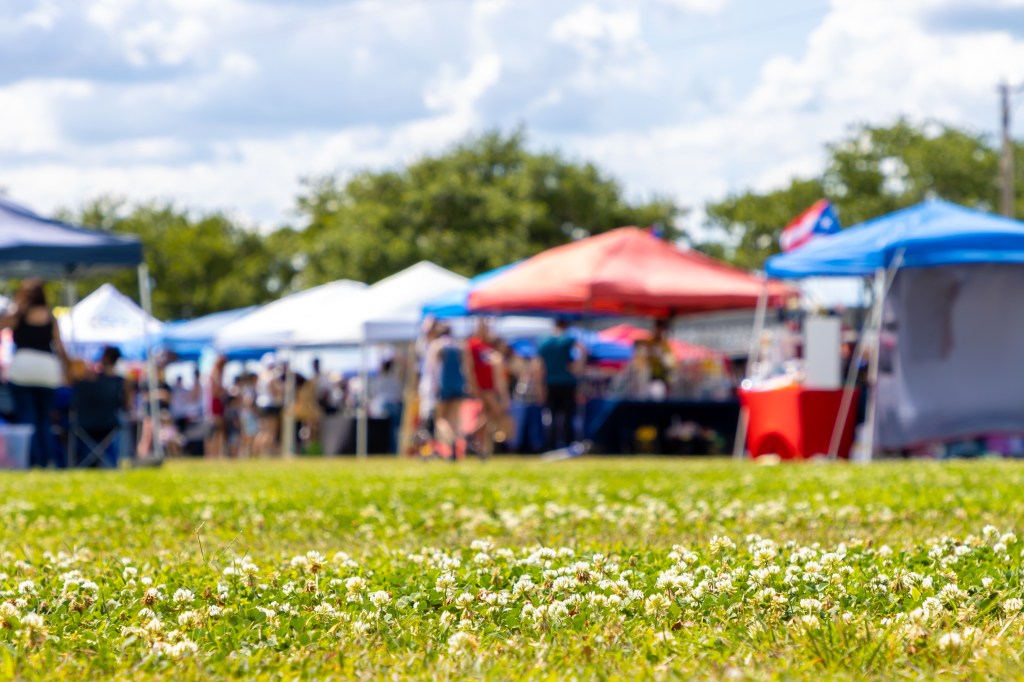
Pop‑up tents, portable stages, sound systems, and seating are essential components of many religious gatherings, especially large events, but they also introduce added exposure to weather, impact, and handling damage. Wind gusts can topple tents and temporary structures, cables can strain audio equipment, and frequent setup and teardown increase the likelihood of loss. These realities make tent and temporary structure coverage, along with hired equipment and sound system coverage, critical considerations when planning an event.
Review event policies to ensure that coverage limits and valuations accurately reflect the full replacement cost of rented or borrowed equipment. Clearly define who is responsible for any damage to rented premises, whether the equipment belongs to a vendor, another congregation, or a municipality. To streamline planning and facilitate clearer decision-making, many organizations use online quoting systems or consult their insurance advisors early in the process to confirm coverage. By taking these steps, you can protect budgets, avoid disputes, and ensure that shared or temporary equipment is properly addressed before the event day.
Alcohol Policies for Receptions and Dinners
Most religious gatherings are alcohol‑free, but certain receptions, dinners, or milestone celebrations may include limited wine service, particularly during a multi‑day event or special observance. Host liability insurance should closely match the venue’s requirements and how the organizers serve alcohol. Clear policies around staffing, ID checks, service limits, and designated or fenced service areas help reduce exposure to liability claims while maintaining a respectful, well‑managed environment.
Church leaders can confirm that coverage expectations align with event operations by reviewing these details in advance. This proactive approach enables them to manage receptions responsibly and minimize financial or reputational risks.
Weather, Postponement, and Event Cancellation
Unexpected conditions are a constant reality for outdoor and large‑scale religious events, where rainouts, heat advisories, or utility failures can force last‑minute schedule changes. Because many venues require financial commitments well in advance, these disruptions often carry real costs, including rebooking fees, lost deposits, and attendee refunds. Cancellation coverage protects you against event cancellations, weather issues, and postponements, addressing these situations as outlined in the terms of the insurance policy.
As part of a broader nonprofit event insurance strategy, this coverage helps protect prepaid expenses and vendor obligations when circumstances are beyond an organizer’s control. Planning for weather‑related and operational interruptions in advance allows faith organizations to make safety‑first decisions while minimizing the budget impact of an unavoidable change.

Right-Sizing Limits, Dates, and Documentation
Insurance providers ensure effectiveness by aligning coverage details with the actual operation of an event and meeting the venue’s additional insured requirements.ements. Whether planning worship services, community outreach programs, or larger special events, limits under religious event insurance and broader church insurance should reflect expected attendance, venue expectations, and higher‑exposure elements such as youth programming. A properly issued certificate of insurance for events is most effective when coverage dates clearly span load‑in through strike.
Effective risk management requires consistent incident reporting procedures and clear volunteer briefings before each event. These practices promptly document issues and efficiently process claims, thereby protecting faith organizations throughout the entire process.
Sources:
https://www.ajg.com/industries/religious-insurance-consulting/
https://westernfinancialgroup.ca/How-to-Insure-Your-Faith-Based-Organization
https://agspecialtyinsurance.com/news/insurance-religious-organizations/
https://westernfinancialgroup.ca/What-to-Know-about-Faith-Based-Insurance
https://covenantcares.com/blog/protecting-churches-ministries-faith-based-organizations-with-the-right-insurance/
https://atlasinsuranceagency.com/blog/empowering-faith-a-comprehensive-guide-to-insurance-for-religious-organizations-part-1/
https://1225united.com/insight-resources/insurance-coverage-for-synagogues-mosques-faith-communities