

Essential Guide to Sports Tournament Event Insurance for Organizers
Whether it’s a casual weekend 3v3 soccer meetup or a multi‑day regional basketball bracket, anyone organizing a tournament assumes meaningful responsibility once athletic participants, spectators, and facilities come together. Even well‑managed events carry undeniable risks, such as sprained ankles, injured players, damaged bleachers, or a stray ball striking a parked vehicle. Without proper sports insurance…
Whether it’s a casual weekend 3v3 soccer meetup or a multi‑day regional basketball bracket, anyone organizing a tournament assumes meaningful responsibility once athletic participants, spectators, and facilities come together. Even well‑managed events carry undeniable risks, such as sprained ankles, injured players, damaged bleachers, or a stray ball striking a parked vehicle.
Without proper sports insurance in place, a single incident can disrupt the schedule and expose organizers to significant financial loss. Sports tournament event insurance offers flexible coverage options designed to protect athletic participants, attendees, volunteers, and host venues, while helping organizers satisfy common venue insurance requirements. With the right liability coverage, medical expense protection, and property damage safeguards, injuries or accidents can be addressed without derailing the event or creating unexpected legal and financial burdens.
Core Liability for Spectators and Facilities
At the core of any comprehensive tournament insurance plan is spectator liability coverage, which helps protect organizers from third‑party claims arising from bodily injury, spectator injury, and property damage, even at the most carefully managed events. Common scenarios such as slips on wet bleachers, collisions in crowded walkways, parking‑lot accidents, or a foul ball breaking a nearby window typically fall under event general liability coverage.
For tournaments offering alcohol, host liquor liability coverage adds an additional layer of protection by addressing claims tied to alcohol‑related incidents involving spectators. Selecting appropriate coverage limits requires careful consideration of anticipated attendance, venue size and layout, alcohol exposure, and the intensity of athletic play. As participation levels and crowd sizes increase, ensuring adequate limits becomes essential to safeguard against costly claims related to bodily injury, spectator injury, and property damage.

Participant Accident Versus General Liability Insurance
Many organizers of sports tournaments and leagues assume a general liability policy covers everything that can go wrong at an event, but injuries to athletic participants in sports like volleyball, baseball, or soccer are often excluded due to standard athletic participation exclusions.
This gap is where participant accident coverage, or participant liability protection, becomes essential. Designed to reimburse eligible medical expenses for players injured during organized play, this coverage typically functions as excess medical insurance that responds after the participant’s primary health insurance.
General liability coverage, by contrast, protects the league or event organizer if they are held legally responsible for bodily injury or property damage suffered by spectators or other third parties. By pairing participant accident coverage with general liability insurance, organizers address both sides of the risk: on‑field injuries requiring prompt medical reimbursement and off‑field incidents that may result in legal claims. Together, these coverages create a more complete safety net for tournaments and sports leagues of all sizes.
Venues, Permits, and Certificates Of Insurance
Most sports facilities will not release keys or finalize a reservation until they receive a Certificate of Insurance (COI) confirming that proper event liability insurance is in place. These certificates typically must name the organizing entity as the named insured and list the facility owner as an additional insured, exactly as outlined in the rental agreement.
Accuracy matters; details such as the organization’s legal name, event dates, coverage limits, and policy terms must align precisely and extend through setup, active play, and teardown. Even minor discrepancies in wording, endorsements, or liability limits can delay approvals or restrict access to fields, courts, or parking areas.
By aligning event liability insurance requirements with the venue contract early in the planning process, organizers can avoid last‑minute complications, maintain smooth access to the facility, and keep the tournament schedule running on time.
Sports Event Insurance for Volunteers, Coaches, Officials, and Vendors
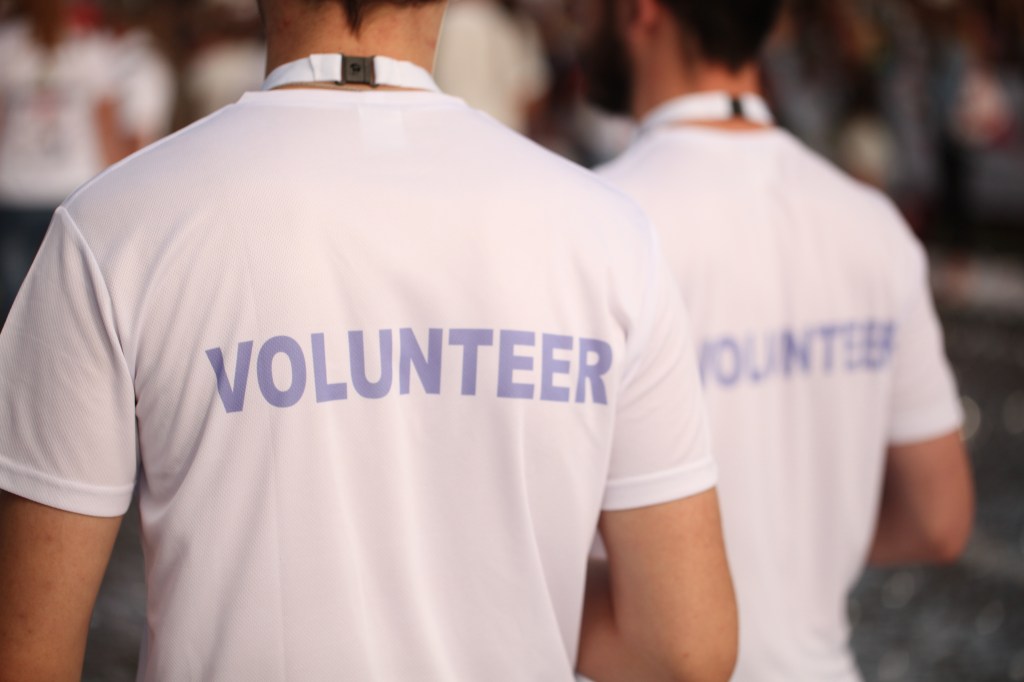
Every individual who contributes to a tournament, including registration staff, scorekeepers, referees, line judges, coaches, and even food or merchandise vendors, adds to the event’s overall risk profile, and insurance responsibilities can vary based on their role. It’s essential for the organizing entity to understand how volunteers are covered under the event’s policy, whether volunteer liability protection is included automatically, or if an endorsement is required. Coaches and officials often face increased exposure due to on‑field decision‑making and interactions with athletic participants, making coaches and officials liability coverage an important consideration, particularly in sports where participant injuries are more common. Vendors present a separate exposure and typically must carry their own insurance, providing a current Certificate of Insurance that names the event or organization as additional insured. Collecting COIs early helps ensure all parties are properly protected, clarifies responsibility for participant injuries or third‑party claims, and prevents compliance issues from delaying setup, schedules, or tournament operations.
Weather, Postponement, and Event Cancellation
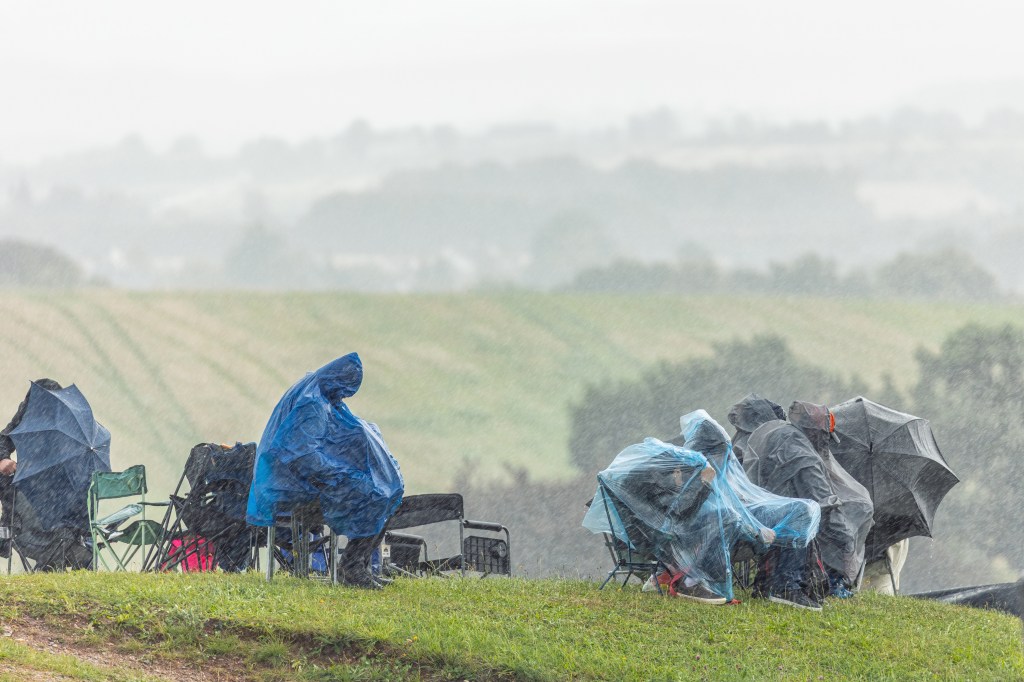
Even the most carefully planned tournaments remain subject to circumstances no organizer can control; severe weather, unsafe field or court conditions, power outages, or unexpected venue disruptions can happen at any time. When storms flood fields, lightning forces a shutdown, or a leisure‑focused venue becomes unavailable, organizers must quickly decide whether to reschedule games, issue refunds, or secure an alternate location. Event cancellation and postponement coverage helps protect that plan by offsetting lost revenue, covering weather contingency expenses tied to relocation, and supporting revised brackets or extended rental hours. For larger leisure events or complex tournament formats, a multi‑day or multi‑venue event policy can provide broader protection, allowing organizers to adapt their schedules without exhausting budgets or jeopardizing the remainder of the tournament.
Equipment, Fields, and Property Exposures
Tournaments and youth camps rely on a surprising amount of gear, scoreboards, portable goals, nets, cones, benches, tents, and even temporary turf, and all of it is exposed to potential damage during transport, setup and teardown, or active play. Fields themselves also present risk, from divots and turf tears to damaged sprinkler heads or gouged infields, making equipment and field damage coverage a critical component of a well‑structured insurance plan. Working with an experienced sports insurance company, such as American Specialty, helps organizers ensure property limits and valuations reflect true replacement cost rather than depreciated values that may fall short when a claim occurs. Just as important is documenting the condition of fields and equipment before and after the event using photos or checklists. Clear documentation supports smoother claims handling, reduces disputes with facility owners, and helps ensure any covered losses are resolved quickly and efficiently.
Waivers, Concussion Protocols, and First Aid
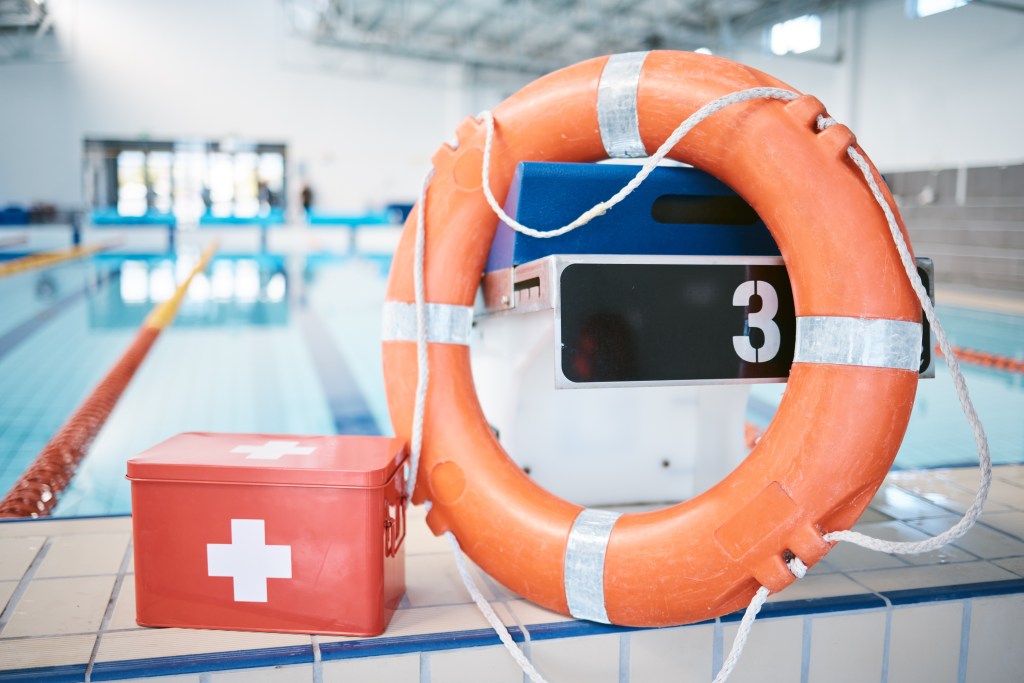
Clear, standardized waiver and release of liability forms and well‑kept incident logs are two of the simplest tools organizers can use to reduce disputes and speed the claims process when something goes wrong. Just as important is demonstrating proactive care through well‑defined concussion and first aid protocols, which help ensure a consistent and safe response across divisions and age groups.
Whether you’re managing youth athletes or adult brackets, having trained personnel, documented response steps, and clear incident-reporting expectations signals to insurers and parents that safety is taken seriously. These measures don’t just protect participants; they also reinforce that the event is managed with due care, strengthening the overall risk profile of the tournament.
Special Event Insurance for Multi-Day and Multi-Venue Scheduling
Tournament brackets often span several days and multiple facilities, with teams moving from pool play to the semifinals and finals on different fields, courts, or complexes. This expanded footprint spreads risk across locations, schedules, and fluctuating crowd sizes, making it essential that your insurance policy reflects the realities of a multi‑day/multi‑venue event policy. Coverage should explicitly account for multiple sites in use at once, the travel required between venues, and attendance patterns that may spike during championship rounds. Building strong scheduling coverage and clear venue coordination expectations ensures policy terms truly align with the full scope of your schedule, giving organizers the flexibility to adapt brackets and manage logistics without exposing the event to gaps in protection.
Sources:
https://www.eventinsurancedirect.co.uk/5-benefits-of-sporting-event-insurance/
https://www.o2sportsinsurance.com/a-guide-to-insurance-needs-when-hosting-a-sports-tournament/
https://www.allianz.com/en/mediacenter/news/articles/240626-allianz-insuring-the-biggest-sports-events-on-earth.html
https://www.eventinsurance.marsh.com/ca/en/programs/event-liability-insurance/sporting-event-tournament-competition-games-instructor-insurance.html
https://www.sjlins.co.uk/our-services/sports-club-insurance
https://www.prontoinsurance.com/blog/all-about-sports-event-insurance/