

Essential County Fair Insurance: Protect Your Event Effectively
County fairs bring communities together, but behind the lights, rides, and crowds, significant risk is always part of the business. Fair boards, municipalities, and producing partners assume responsibility the moment a grounds map is approved, and vendors are invited onsite, making county fair insurance an essential risk management tool. These tailored insurance solutions provide coverage…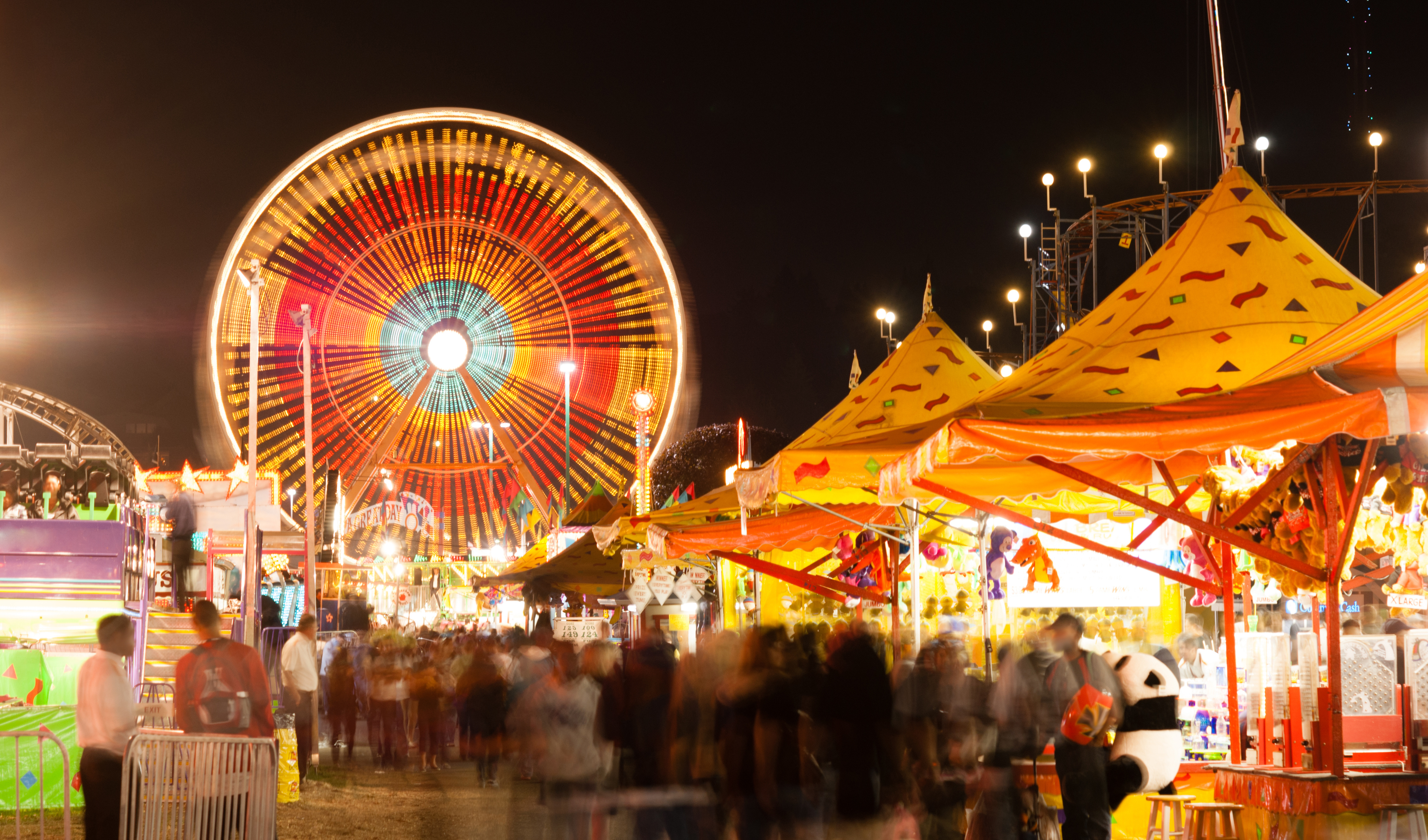
County fairs bring communities together, but behind the lights, rides, and crowds, significant risk is always part of the business. Fair boards, municipalities, and producing partners assume responsibility the moment a grounds map is approved, and vendors are invited onsite, making county fair insurance an essential risk management tool.
These tailored insurance solutions provide coverage for real‑world exposures tied to large crowds, diverse activities, and shared venues, helping protect against costly public liability claims. With the right coverage structure in place, a single accident doesn’t have to derail operations or force the business to pay out of pocket, preserving permits, partnerships, and hard‑earned sponsorships.
Core Liability Insurance for Crowds, Midways, And Grounds
Core liability coverage forms the foundation of protection for county fairs by addressing the everyday risk factors that come with hosting a large public event, including crowds, midways, and shared grounds. Fair liability insurance is designed to cover several types of third‑party injury and property damage exposures, from slip‑and‑fall incidents on wet concrete to congestion‑related injuries at entrances or minor damage to facilities and fixtures.
As foot traffic and activity density increase, coverage limits should be carefully aligned with attendance, event footprint, and higher‑risk zones such as ride midways, food courts, and animal interaction areas. Clear incident reporting and claims handling procedures, communicated in advance and easy to request when needed, help ensure issues are documented and resolved quickly before they escalate into costly disruptions.
Permits, Municipal Requirements, And COIs
Permits and municipal approvals often depend on getting the certificate of insurance (COI) exactly right, making it a critical step for any fair or event organization. Most cities require a COI issued under special event insurance, naming the municipality as an additional insured, with clearly defined limits and coverage dates that extend from initial setup through final teardown.
It’s essential to confirm policy details such as primary and noncontributory wording and any required waivers, as these elements frequently determine whether access badges are issued, road closures are approved, and security plans move forward. Careful coordination of COIs helps organizations avoid last‑minute delays that could disrupt vendors, schedules, and public safety preparations.
Vendors, Concessionaires, Exhibitors and Additional Insured Status
Vendors, concessionaires, and exhibitors bring energy and variety to county fairs, especially where people gather to eat, shop, and interact, but they also introduce distinct liability and property exposures that must be carefully managed. Vendor and concessionaire insurance helps address risks associated with food booths, craft sellers, and interactive exhibits, ranging from property damage during setup to product liability when food is sampled or sold.
Clear COI requirements help define and transfer responsibility, protecting the fair’s team and employees while ensuring each vendor carries appropriate coverage for their specific activities. Matching coverage dates to individual load‑in schedules, operating hours, and teardown periods is equally important to prevent gaps that could leave the fair and its staff exposed.
Rides, Inflatables, and Higher-Hazard Attractions

Rides, inflatables, and other higher‑hazard attractions bring excitement to a fair, but they also concentrate risk in ways that demand heightened oversight and robust insurance planning. Because these attractions are especially sensitive to anchoring, wind conditions, operator training, and overall crowd safety, amusement rides and inflatables coverage plays a critical role in protecting against serious bodily injury claims.
Fair organizers should verify operator credentials, confirm appropriate endorsements, and ensure coverage limits are aligned with the severity of potential losses, often requiring high limits to avoid claims falling back on the fair’s own pocket. Just as important are documented inspections, clear shutdown thresholds, and consistent risk controls that allow attractions to pause or close before conditions become unsafe, helping safeguard guests, operators, and the fair itself.
Managing Unique Risks: Stages, Livestock, and Temporary Structures
Stages, livestock areas, and temporary structures introduce a distinct layer of risk that spans both installation and live use, driven by the wide range of activities involved throughout the event. Temporary structures and staging, including platforms, bleachers, animal pens, fencing, and signage, are subject to wind loads, shifting ground conditions, and impact during performances or peak attendance.
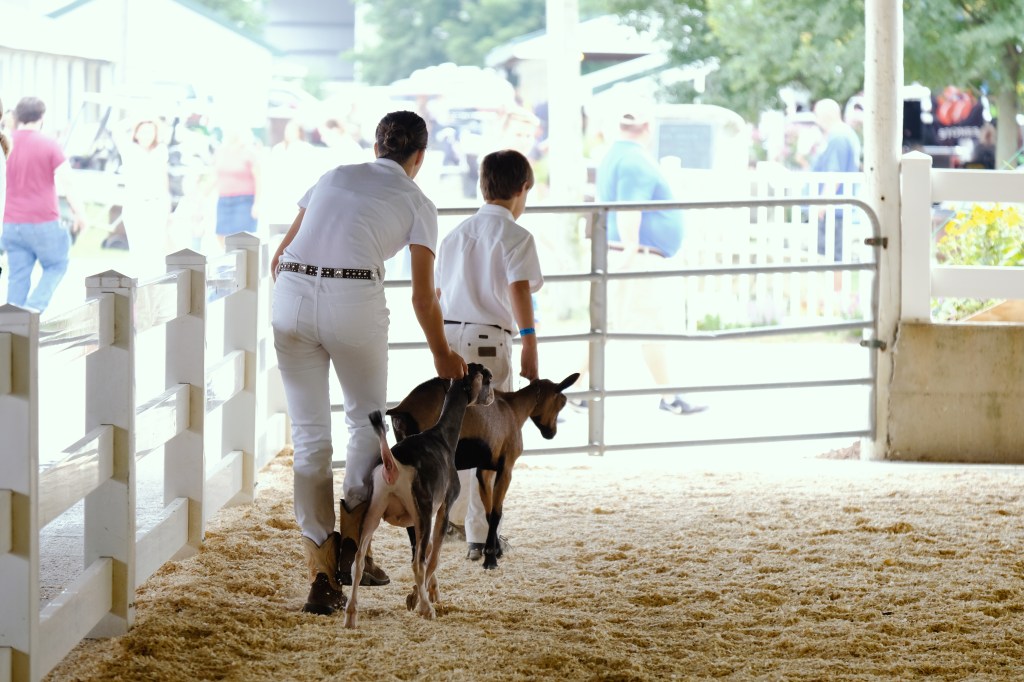
These exposures also heighten concerns around livestock and animal show liability, particularly in designated handling, loading, and spectator areas. Effective risk management requires aligning insurance coverage and safety controls with established rigging and structural standards, clearly defined animal management zones, and coordinated traffic flow for staff and exhibitors.
Adequate protection, including coverage for damage to premises rented to you and strong overnight security, helps safeguard structures, equipment, and livestock, supporting safe, continuous operations from setup through teardown.
Alcohol Service, Beer Gardens and Liquor Liability
Alcohol service and beer gardens are popular attractions at fairs, especially where vendors selling food and beverages draw large crowds, but they come with heightened regulatory and liability considerations.
Beer gardens must meet strict permit requirements, including fenced perimeters, controlled entry and exit points, visible ID checks, and trained servers to ensure venue compliance with local alcohol regulations. Thoughtful layout and staffing help manage crowd flow and reduce the risk of over‑service or access by minors.
As part of comprehensive festival insurance, general liability and host liquor liability coverage play a critical role in addressing alcohol‑related incidents, from third‑party injuries to property damage, while also satisfying the specific insurance wording required by venues and municipalities. When alcohol service is properly planned, permitted, and insured, it enhances the guest experience without exposing the event to unnecessary risk.
The Role of Festival Insurance for Weather, Postponement, and Event Cancellation
Weather is one of the few risks even event organizers can’t control, yet it can have immediate and costly consequences for everyone involved. Thunderstorms, extreme heat, high winds, or air‑quality alerts may force postponement or closure, impacting not only attendance but also food vendors, entertainers, and operations, triggering ticket refunds, vendor reimbursements, and rebooking expenses.
As part of comprehensive fairground event insurance, event cancellation insurance helps protect against these financial losses by responding to lost revenue and sunk costs when conditions make it unsafe or impractical to proceed.
Pairing this coverage with extra expense protection can further support prepaid commitments, temporary relocation costs, or rescheduling efforts, helping fairs recover more quickly while maintaining strong relationships with vendors, sponsors, and attendees.
Equipment, Power, and Grounds Support
Equipment, power, and grounds support form the backbone of fair operations, yet exposure can vary significantly during load‑in, peak traffic, and teardown depending on the venue and event layout. Decisions around purchasing versus renting equipment also influence risk, particularly for generators, lighting towers, PA systems, temporary fencing, and cabling that are vulnerable to vehicle movement, weather, and crowd contact if not properly staged and secured.
Extending setup and teardown coverage and protecting leased assets helps ensure losses don’t fall back on the fair, its clients, or event partners. Coverage for damage to premises rented to you, paired with documented equipment inventories and condition reports before and after the event, creates clear accountability and speeds claims resolution. Proactive planning in this area helps keep essential systems running smoothly and minimizes costly disruptions when the fair is at its busiest.
Sizing Limits, Dates, Documentation and Risk Management
In the end, effective county fair coverage comes down to getting the fundamentals right: limits, dates, and documentation. General liability insurance limits should be structured to cover not only total attendance, but also the mix of activities, attractions, and higher‑risk areas across the grounds where injury exposure is greatest.
Policy dates must span the full lifecycle of the event, build, show days, and strike, to avoid costly gaps in protection, while complementary options such as volunteer accident medical and non‑appearance coverage help address people‑related and entertainment disruptions. Equally important, standardized incident logs, clear reporting procedures, and well‑briefed staff and volunteers strengthen incident reporting and claims handling, demonstrating due care and enabling faster, more efficient resolution.
Together, these practices reduce friction during a claim and allow fair organizers to stay focused on delivering a safe, successful community event.
Sources:
https://www.eventinsurance.marsh.com/ca/en/programs/event-liability-insurance/show-festival-recital-parade-carnival-concert-fair-insurance.html
https://www.richmondhill.ca/en/shared-content/resources/documents/Insurance-Requirements-for-Community-FE—FINAL-.pdf
https://www.reddit.com/r/CraftFairs/comments/1gx9njg/event_insurance/
https://plannerwire.net/insurance-for-conferences-and-special-events-what-planners-need-to-know/
https://elementrisk.com/blog/insuring-your-fair-and-fairground-event/
https://westernfinancialgroup.ca/What-Insurance-is-Needed-for-Summer-Concerts-and-Festivals
https://farmerbrown.com/fair-liability-insurance/