nithya

From weekly services to seasonal picnics, community fundraisers, and mission trips, religious organizations take on real responsibility the moment an event is announced. With attendees, volunteers, and often borrowed or public venues involved, even a minor incident can create unexpected liability.

Special event insurance designed for faith‑based needs, including religious event insurance, church event insurance, and ministry event liability coverage, helps protect missions, budgets, and communities. With the right coverage in place, congregations and ministries can focus on gathering, serving, and celebrating with confidence.

Core Liability Coverage for Services, Picnics, Church Events and Fundraisers

General liability coverage is the foundation of protection for services, picnics, and fundraisers, responding to third‑party bodily injury or property damage that can occur during gatherings on church property or at rented parks and halls. These potential risks, commonly addressed through public liability for church events and fundraising event insurance, increase as attendance grows and activities expand, from slip‑and‑fall incidents to damage to premises rented to you.

Thoughtfully selected coverage helps absorb associated legal fees and claims costs, with limits aligned to crowd size and event type, whether it’s outdoor worship, a community picnic, or a fundraiser featuring bake sales and silent auctions, so one unexpected incident doesn’t disrupt ministry operations or financial stability.

Venues, Municipal Permits, and COIs

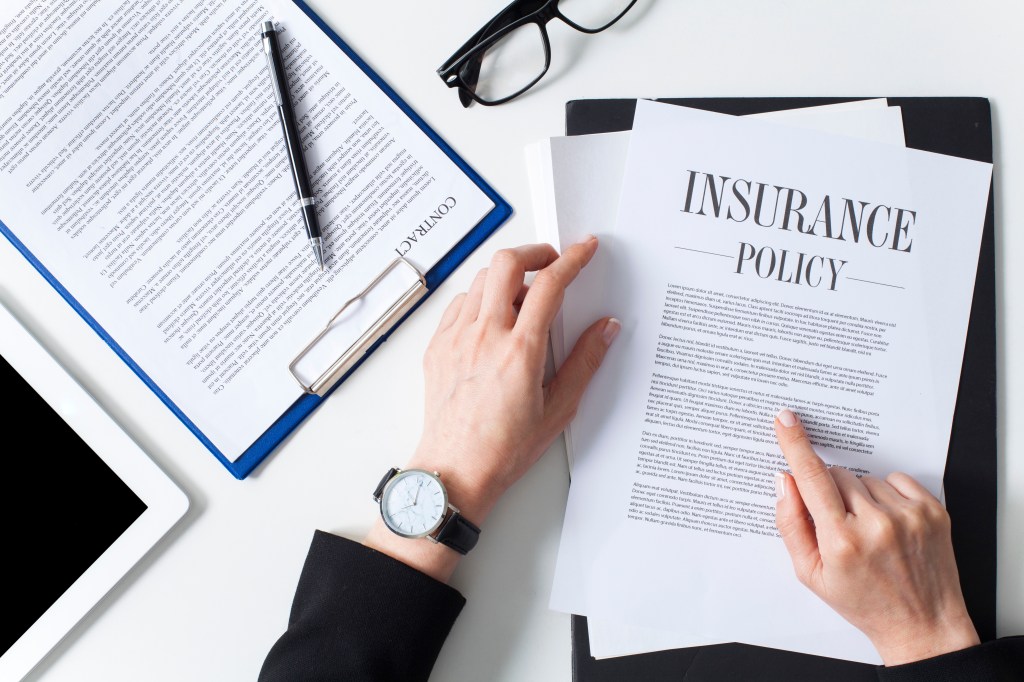
Insurance paperwork approval process for religious event coverage and permits

Securing the right venue often goes hand in hand with meeting municipal requirements, and that typically means providing a certificate of insurance for events (COI). Rented facilities and city parks frequently require proof of insurance that can provide coverage meeting venue and municipal standards, including naming the venue or municipality as an additional insured for dates spanning setup through teardown.

Closely aligning endorsement language with permit requirements helps prevent last‑minute delays, supports access approvals, key releases, and any necessary road or space closures, and reduces the risk of uncovered claims or financial loss. With proper documentation in place, events stay on schedule and partnerships with local authorities remain strong.

Volunteers, Ushers, and Partnership Roles

Volunteers play a central role in religious gatherings and other special events, and their involvement directly shapes the overall risk profile. Greeters, ushers, kitchen helpers, and volunteer musicians interact closely with attendees, handle equipment, and manage food service or crowd flow, each activity introducing potential exposure that should be addressed through volunteer liability coverage as part of a broader nonprofit event insurance strategy.

It’s essential to confirm that volunteers are fully covered under the event policy and understand how that protection applies to their specific duties. At the same time, third‑party partners such as caterers, rental companies, entertainers, or security providers should carry their own insurance, with vendor COIs collected in advance as a standard business practice. Clearly defining roles and verifying coverage helps ensure responsibilities are shared appropriately and reduces gaps that could lead to disputes or uncovered losses after an incident.

Food Service, Potlucks, and Bazaars

Shared meals, potlucks, bake sales, and community bazaars are often the heart of religious gatherings, but they also introduce added risk, especially during large gatherings. Food service and potluck liability becomes a concern as shared dishes and concessions increase product liability exposure, while serving lines and crowded tables can create congestion and trip hazards common at festivals and bazaars hosted at most venues.

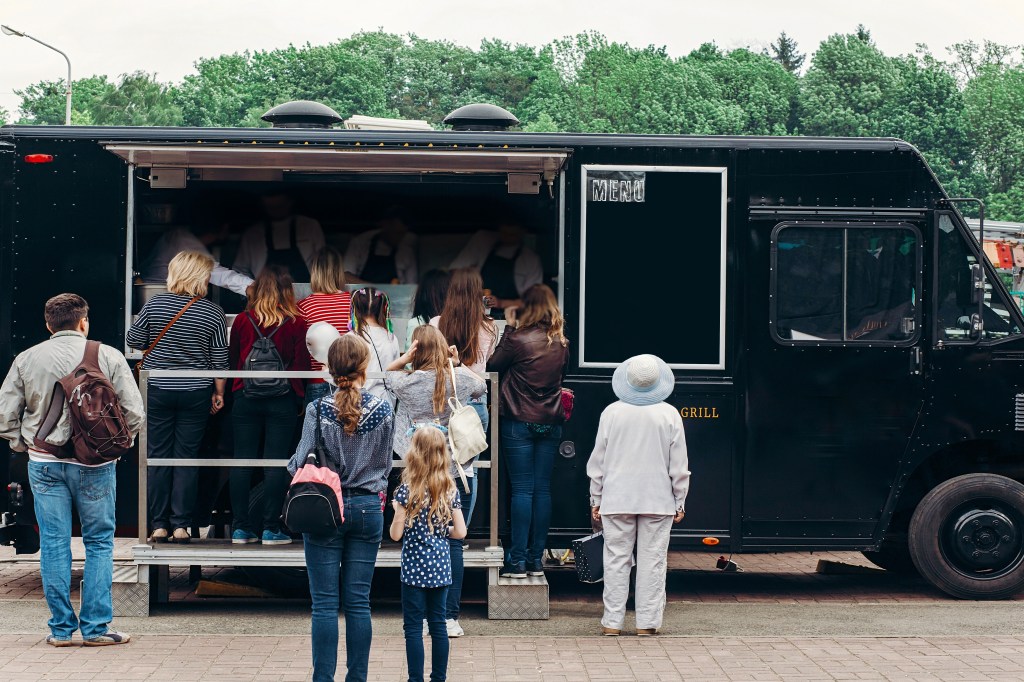
Food vendor at community event emphasizing vendor insurance needs for religious gatherings

Even informal setups, such as homemade dishes or temporary concession stands, should follow essential food safety practices, ensuring proper labeling, controlling temperatures, and maintaining clean preparation areas. Reviewing festival and bazaar insurance to ensure it contemplates food sampling, on‑site sales, and temporary kitchens helps faith organizations host welcoming, well‑attended events without leaving gaps in protection.

Youth Activities, Camps, Outreach Programs and Off-Site Trips

Youth activities, camps, and off-site trips actively engage children and teens, but they also present unique risks that dedicated youth activity insurance can address. Programs such as children’s choirs, youth game nights, retreats, day trips, and off‑site events require thoughtful supervision, age‑appropriate staffing, and clear planning for transportation, facility layout, and emergency exits. Many common accidents, from minor slips and sports injuries to transportation‑related incidents, can arise even in well‑run programs.

Organizations can quickly address injuries by combining these efforts with participant accident medical coverage. This approach keeps families informed about what is covered and helps manage out-of-pocket expenses. As important, maintaining clear incident documentation demonstrates due care, supports transparency with parents and guardians, and allows faith organizations to manage youth‑focused events responsibly and with confidence.

Tents, Stages, and Borrowed Equipment

Pop‑up tents, portable stages, sound systems, and seating are essential components of many religious gatherings, especially large events, but they also introduce added exposure to weather, impact, and handling damage. Wind gusts can topple tents and temporary structures, cables can strain audio equipment, and frequent setup and teardown increase the likelihood of loss. These realities make tent and temporary structure coverage, along with hired equipment and sound system coverage, critical considerations when planning an event.

Review event policies to ensure that coverage limits and valuations accurately reflect the full replacement cost of rented or borrowed equipment. Clearly define who is responsible for any damage to rented premises, whether the equipment belongs to a vendor, another congregation, or a municipality. To streamline planning and facilitate clearer decision-making, many organizations use online quoting systems or consult their insurance advisors early in the process to confirm coverage. By taking these steps, you can protect budgets, avoid disputes, and ensure that shared or temporary equipment is properly addressed before the event day.

Outdoor religious gathering with tents showing liability and weather coverage considerations

Alcohol Policies for Receptions and Dinners

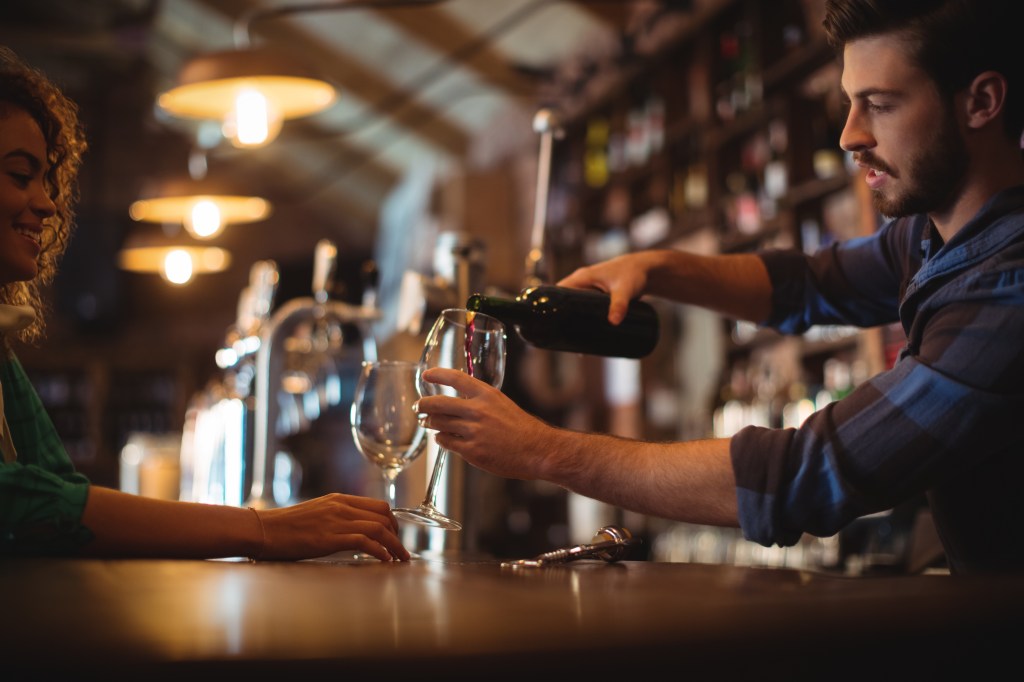
Most religious gatherings are alcohol‑free, but certain receptions, dinners, or milestone celebrations may include limited wine service, particularly during a multi‑day event or special observance. Host liability insurance should closely match the venue’s requirements and how the organizers serve alcohol. Clear policies around staffing, ID checks, service limits, and designated or fenced service areas help reduce exposure to liability claims while maintaining a respectful, well‑managed environment.

Church leaders can confirm that coverage expectations align with event operations by reviewing these details in advance. This proactive approach enables them to manage receptions responsibly and minimize financial or reputational risks.

Weather, Postponement, and Event Cancellation

Unexpected conditions are a constant reality for outdoor and large‑scale religious events, where rainouts, heat advisories, or utility failures can force last‑minute schedule changes. Because many venues require financial commitments well in advance, these disruptions often carry real costs, including rebooking fees, lost deposits, and attendee refunds. Cancellation coverage protects you against event cancellations, weather issues, and postponements, addressing these situations as outlined in the terms of the insurance policy.

As part of a broader nonprofit event insurance strategy, this coverage helps protect prepaid expenses and vendor obligations when circumstances are beyond an organizer’s control. Planning for weather‑related and operational interruptions in advance allows faith organizations to make safety‑first decisions while minimizing the budget impact of an unavoidable change.

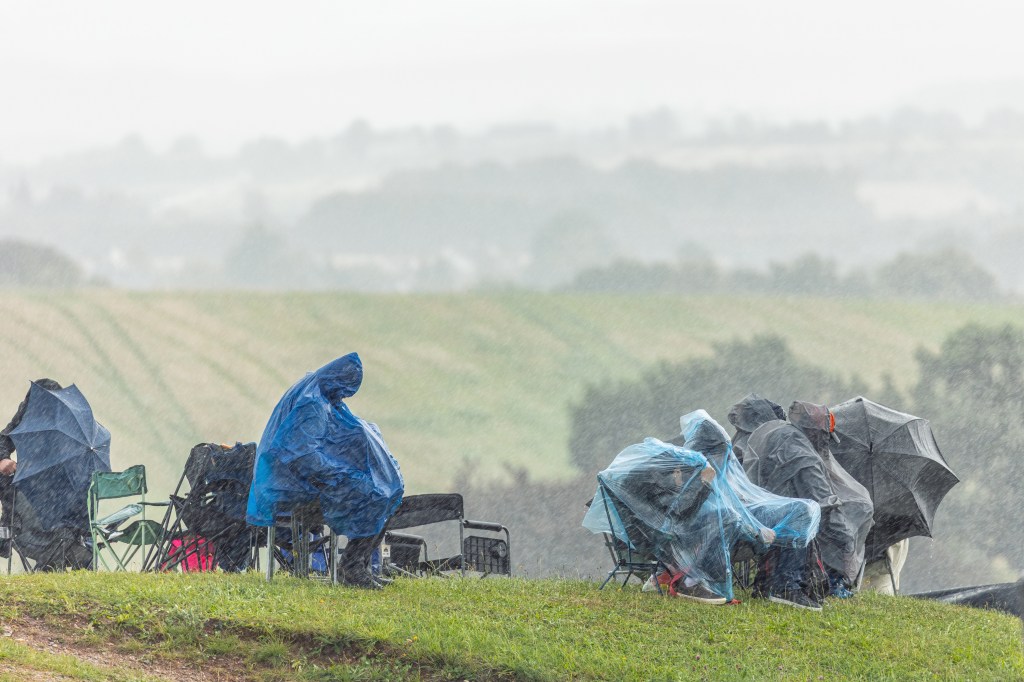
Rainy weather conditions highlight cancellation risks for outdoor religious events

Right-Sizing Limits, Dates, and Documentation

Insurance providers ensure effectiveness by aligning coverage details with the actual operation of an event and meeting the venue’s additional insured requirements.ements. Whether planning worship services, community outreach programs, or larger special events, limits under religious event insurance and broader church insurance should reflect expected attendance, venue expectations, and higher‑exposure elements such as youth programming. A properly issued certificate of insurance for events is most effective when coverage dates clearly span load‑in through strike.

Effective risk management requires consistent incident reporting procedures and clear volunteer briefings before each event. These practices promptly document issues and efficiently process claims, thereby protecting faith organizations throughout the entire process.

Sources:

https://www.ajg.com/industries/religious-insurance-consulting/
https://westernfinancialgroup.ca/How-to-Insure-Your-Faith-Based-Organization
https://agspecialtyinsurance.com/news/insurance-religious-organizations/
https://westernfinancialgroup.ca/What-to-Know-about-Faith-Based-Insurance
https://covenantcares.com/blog/protecting-churches-ministries-faith-based-organizations-with-the-right-insurance/
https://atlasinsuranceagency.com/blog/empowering-faith-a-comprehensive-guide-to-insurance-for-religious-organizations-part-1/
https://1225united.com/insight-resources/insurance-coverage-for-synagogues-mosques-faith-communities

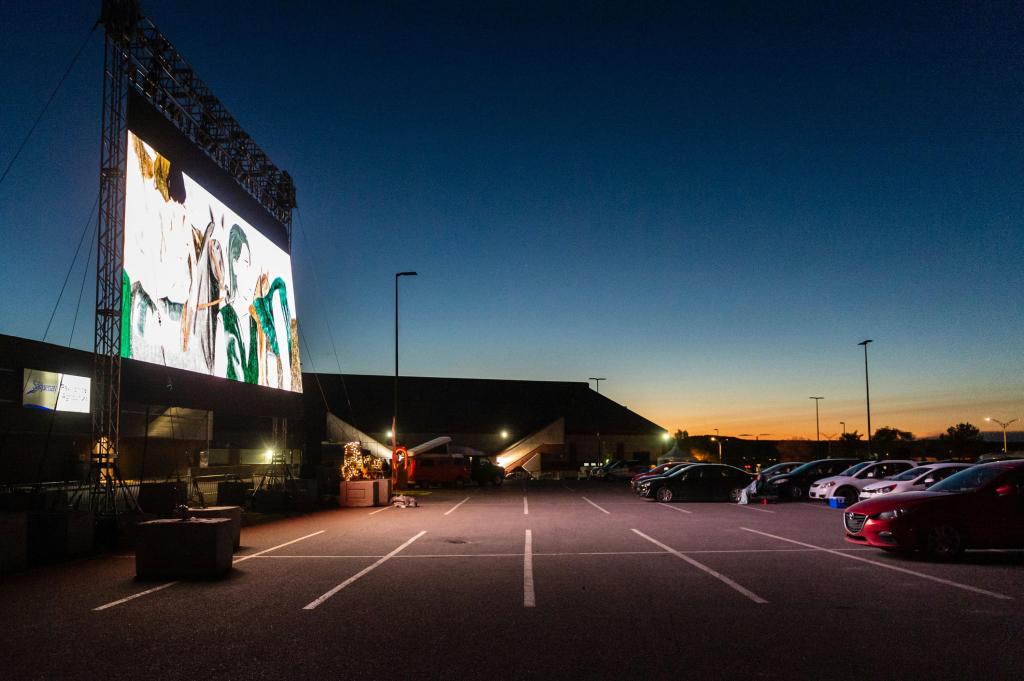
Organizations that host outdoor screenings, including neighborhood movie nights, city-sponsored park series, film festivals, and outdoor concerts, often need coverage before they unfold the first chair. Community groups, nonprofits, schools, municipalities, event planners, and small businesses all take on real exposure the moment a screen goes up, and an audience gathers.

Weather changes, equipment failures, accidental injuries, or property damage can quickly turn a well‑intentioned event into a costly disruption. Outdoor screening insurance, sometimes called outdoor movie insurance, along with event general liability coverage, helps protect attendees, public spaces, and partner venues, ensuring that one unexpected incident doesn’t cut an entire season of screenings and events short.

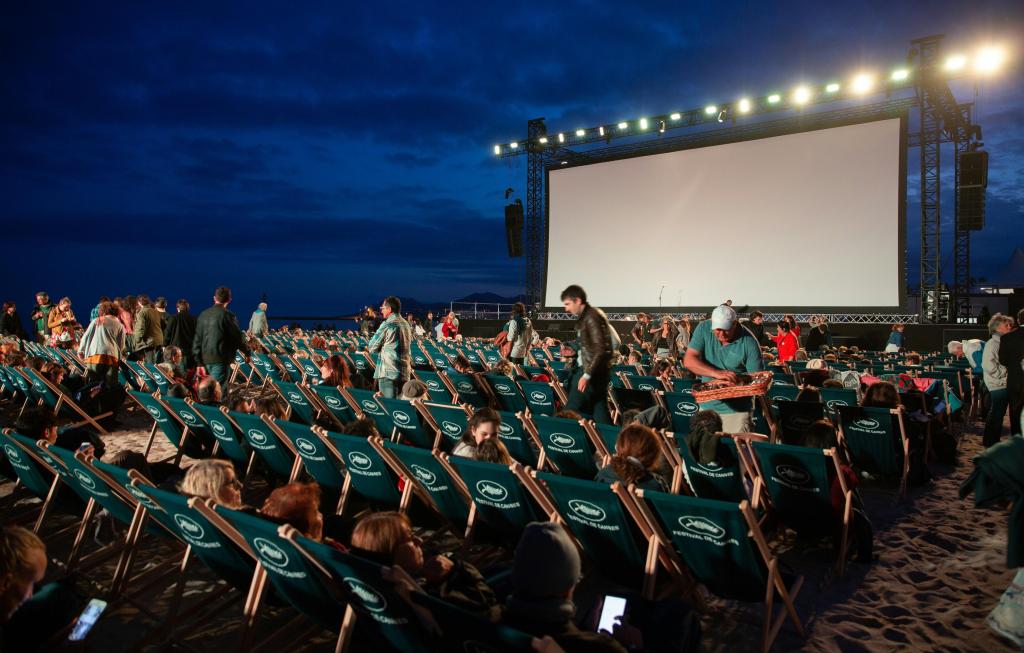
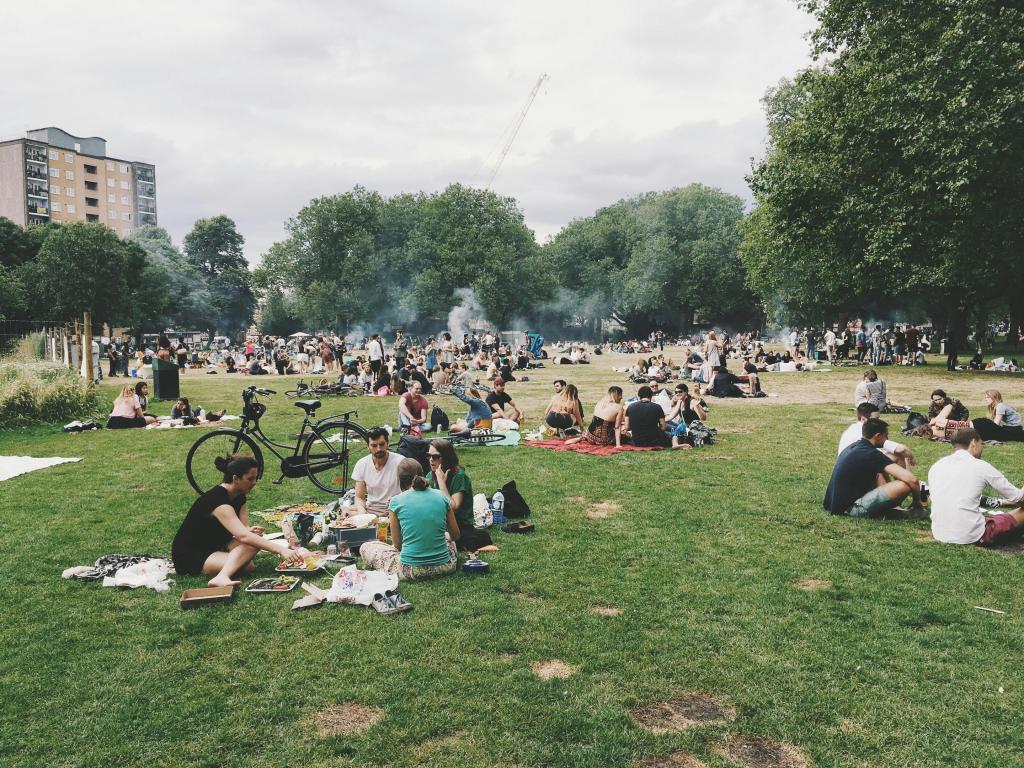
A crowded outdoor film screening event demonstrates the risks requiring event insurance coverage

Licensing, Permits, and Venue Approvals for Special Events

You should obtain licenses, permits, and venue approvals as a crucial step for any outdoor screening and complete these tasks well before you begin promoting the event. Event organizers must ensure public showings qualify under public performance licensing requirements, along with local permits that often dictate approved dates, audience size limits, sound restrictions, and site‑control responsibilities. Many municipalities and park systems also require park permit insurance, making it essential to provide proof of coverage through a certificate of insurance that aligns precisely with the permitted timeframe, covering setup, showtime, and breakdown.

The importance of keeping licensing, permits, and insurance fully synchronized cannot be overstated. Gaps or mismatches can directly affect venue access, delay approvals, or result in last‑minute cancellations or shutdowns on event day. When documentation is aligned and submitted correctly, organizers reduce friction with venue managers and help ensure events run smoothly from first setup to final teardown.

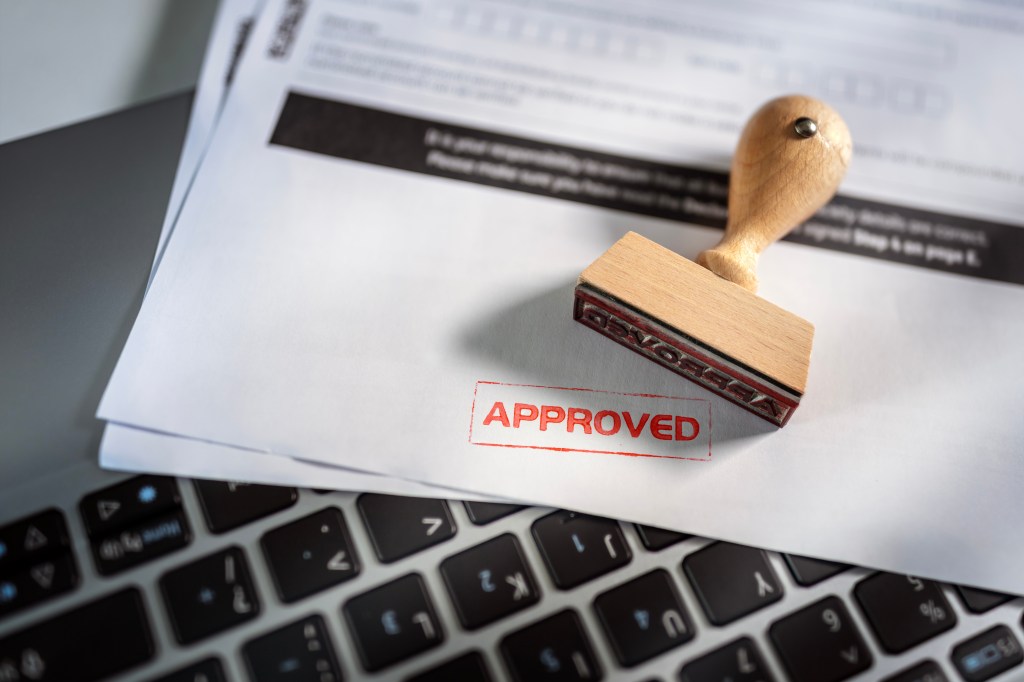
Approved stamp on the application form or business agreement document

Understanding General Liability Insurance: Core Liability in Parks and Plazas

Core liability in parks and plazas is a central consideration when hosting outside screenings, especially in open‑air public spaces that may also be used for play, parties, fairs, and other community activities. Uneven ground, exposed cables, temporary seating, and crowded entry or exit points increase the likelihood of slips, trips, and minor injuries, making slip‑and‑fall liability a common concern. The presence of volunteers assisting with setup, guest flow, or concessions can further expand the risk profile.

Because these environments are shared with the general public, organizers should structure event general liability for screenings around expected attendance, the overall event footprint, and any higher‑risk elements such as bleachers, elevated viewing areas, or staging structures. Thoughtful planning for crowd control and barricade liability, paired with properly sized coverage, helps protect against claims, meet park and municipal requirements, and keep events safe, compliant, and uninterrupted.

Screens, Projectors, Power, and Sound for Film Screenings

Screens, projectors, power, and sound systems are among the most vulnerable and most valuable assets at an outdoor screening, whether the event mirrors a pop‑up theater experience or supports community parties and public gatherings. Inflatable screens, high‑lumens projectors, and portable PA systems are routinely exposed to wind gusts, moisture, unstable power sources, and accidental contact, making equipment‑related accidents a common concern. As a result, inflatable screen insurance, along with projector and audio equipment coverage are essential considerations. Organizers should extend property coverage to include all equipment on‑site, from load‑in through strike.

Adding generator and power supply coverage, along with audio‑gear endorsements written at full replacement cost, helps ensure that damage caused by power fluctuations, weather, or unexpected accidents doesn’t lead to significant out‑of‑pocket expenses or disrupt future screenings, parties, or live events.

Weather, Postponement, and Cancellation for Outdoor Events

Unexpected conditions are a constant reality for outdoor screenings, especially for multi‑day events and fundraising events where schedules and budgets are tightly planned. Rain, wind, extreme temperatures, or sudden utility failures can quickly force postponements or cancellations, increasing exposure to property damage and liability claims. These disruptions often trigger added expenses such as rebooking vendors, rescheduling talent, issuing refunds, and covering additional logistical and communication costs.

Outdoor movie insurance that includes cancellation or postponement coverage can help offset these financial impacts, particularly when weather or utility issues affect multiple event days. When paired with a clear communication plan, this coverage becomes even more effective. Proactively outlining contingency policies and keeping sponsors, partners, and audiences informed helps preserve trust, reduce confusion, and keep programs moving forward, even when plans have to change.

Seating, Crowd Flow, Trip Prevention, and Property Damage

Audience comfort and safety at outside screenings and larger festivals depend heavily on how seating and foot traffic evolve throughout the event. Blankets spread across lawns, low‑profile chairs, stroller parking, and informal aisles can shift movement patterns and create unexpected congestion, increasing exposure to slip‑and‑fall hazards, bodily injury, and other common injuries. To reduce the likelihood and severity of incidents, organizers should establish clearly defined seating zones, plan safe, secure cable runs, and ensure that all egress paths remain visible and well‑lit after dark.

Thoughtful planning for crowd control and barricade liability, paired with appropriate setup and teardown coverages, strengthens overall insurance protection during every phase of the event. Documenting these controls, supported by on‑site monitoring, volunteer oversight, and clear signage, helps minimize trip hazards, improve crowd flow, and reinforce defensibility if bodily injury or liability claims arise.

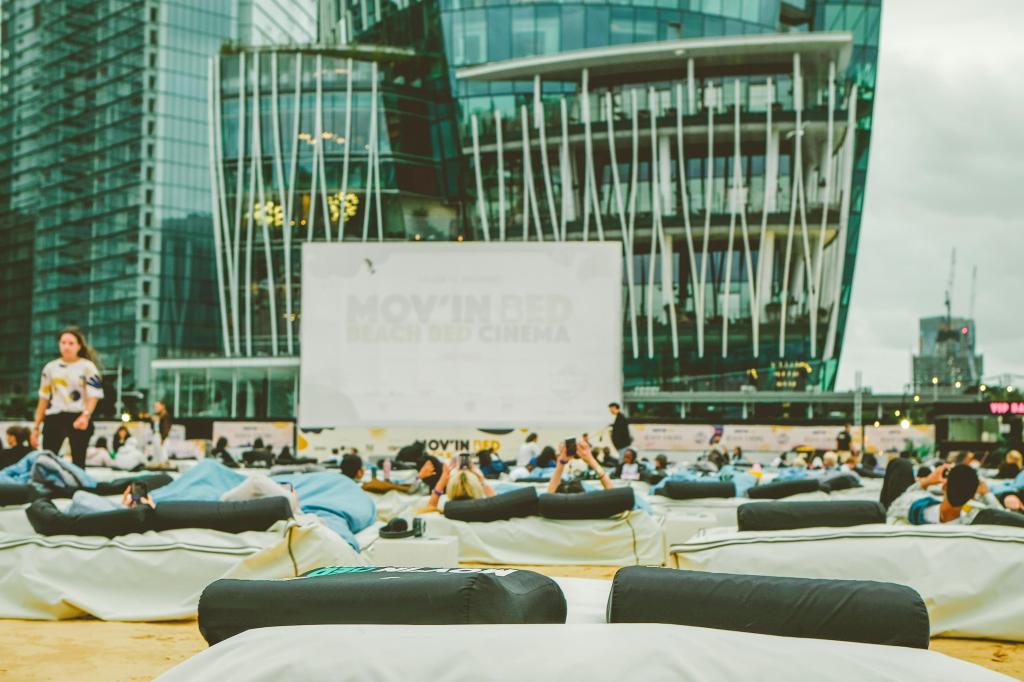
Large crowd at outdoor event showing liability considerations for public screenings

Vendors, Food Trucks, and Host Liquor Liability

When you incorporate concessions, food trucks, and beverage service into film screenings, you add extra liability considerations that you must address alongside the main event. Since food vendors typically operate as independent businesses, you need to establish proper insurance requirements, including coverage for food vendors and food trucks, as part of your planning process. Vendors usually provide Certificates of Insurance (COIs) that name you, the venue, and, when applicable, municipal entities as additional insured parties.

Collecting and reviewing this documentation in advance helps ensure compliance with permit conditions and venue policies while reinforcing proper insurance protection for all parties involved. When you serve alcohol at film screenings, you need host liquor liability coverage for protection. You can enhance this safety by implementing controlled service areas, installing fencing, and using proper ID verification procedures. Together, these measures help reduce alcohol‑related risk, satisfy permit language, and keep screenings operating smoothly, safely, and within venue requirements.

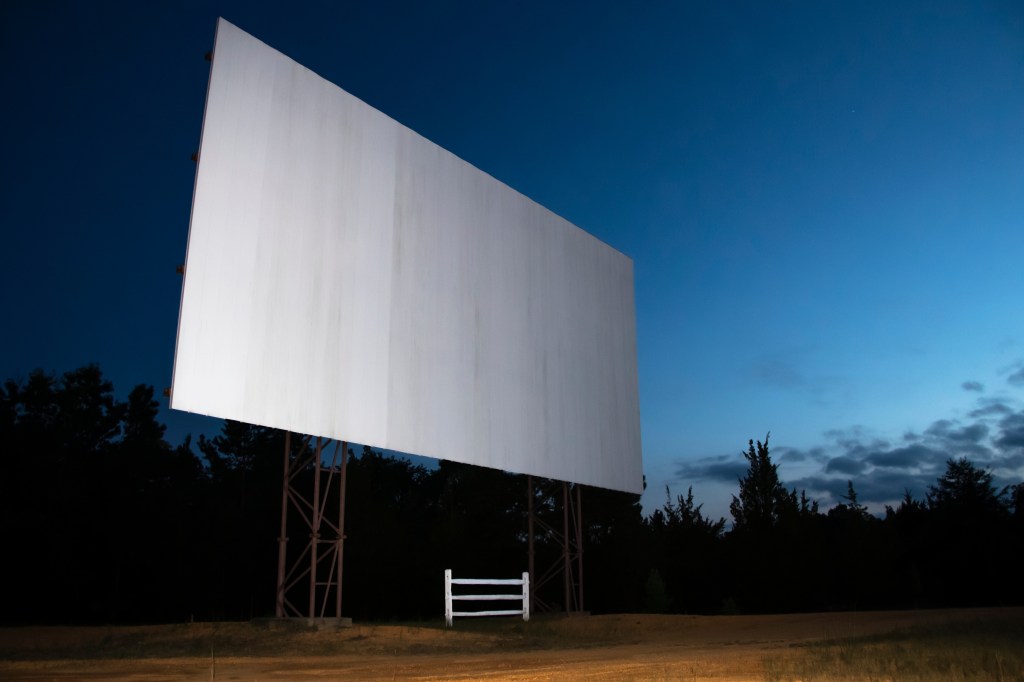
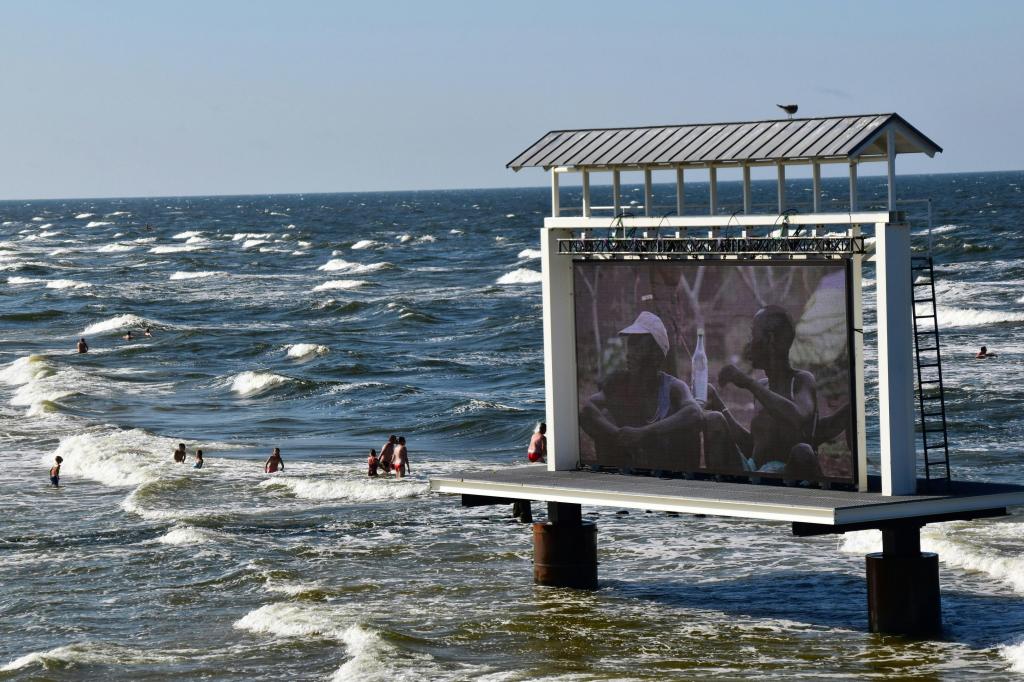
Outdoor movie screen over water highlighting weather risks for event screenings

Event Insurance Sizing Limits, COIs, and Effective Dates

Getting limits, certificates, and effective dates right is what ultimately ties an outdoor screening program together. You should size coverage based on your actual exposure, expected headcount, equipment values, and municipal minimums. Choose deductibles that remain manageable in case of claims related to bodily injury or property damage, and include coverage for damage to premises that you rent. Working closely with an experienced insurance agent helps organizers navigate industry requirements and structure coverage that truly protects the event, not just satisfies minimum thresholds.

Equally critical is issuing venue‑ready certificates of insurance for parks and public spaces, with accurate additional insured wording for municipalities and effective dates that span from load‑in through final teardown. When event organizers align limits, Certificates of Insurance (COIs), and timelines, they minimize friction with parks and municipalities. This proactive approach helps them avoid last-minute access issues and strengthens their position in case any claims related to the event arise. Ultimately, this alignment allows organizers to focus on delivering a seamless and well-protected experience for audiences, partners, and sponsors.

Sources:

https://www.funflicks.com/2024/06/04/outdoor-movie-night/
https://www.oreateai.com/blog/navigating-public-film-screenings-a-guide-to-licensing/bc3e8d135743893fd26db93052c2c008
https://blog.southernoutdoorcinema.com/rule-for-showing-movies-outdoors-in-public/
https://www.openaircinema.us/blogs/news/how-to-plan-and-operate-a-successful-outdoor-movie-screening
https://www.bigscreenpro.com/blogs/news/outdoor-movie-night-essentials
https://www.audiofetch.com/outdoor-movie-screening/

From pop‑up booths that last a single afternoon to vendors booked for an entire market season, participants face risk the moment they unload tents, tables, and products. Many farmers markets, along with event organizers, require proof of coverage because a simple slip, a damaged venue surface, or a food‑related claim can quickly turn a profitable day into a costly setback.

Farmers Market Insurance, including specialized farmers market vendor insurance for artisans, food trucks, and sellers at special events, is designed to address these realities by focusing on third‑party injuries, property damage, and public liability for vendors, as well as the unique exposures tied to handmade goods and fresh food sales. Understanding who needs this coverage, and when it’s required, helps vendors meet event requirements while protecting both their livelihood and their reputation.

Core Liability: Public, Product, and Stallholder Exposures

At the heart of farmers market insurance is general liability insurance, often referred to as vendor liability insurance, which helps protect your business from the most common, and costly, risks vendors face. General liability insurance responds to everyday public exposures such as slips, trips, or accidental injuries around your stall, helping cover medical bills and related liability claims that can arise when customers or passersby are injured. This coverage is especially critical when tents, signage, or equipment are involved, making it a cornerstone of market stall protection.

Product liability for artisans extends that protection to claims connected to the goods you sell or sample, whether it’s a foodborne illness allegation or an issue with a handmade product. For short‑term sellers, one‑day vendor insurance can provide essential coverage, while combining general and product liability ensures a single incident doesn’t derail your income, disrupt your market season, or jeopardize your ability to keep selling week after week.

Certificates Of Insurance, Additional Insureds, and Legal Fee Exposure

Certificates of Insurance, commonly called a certificate of insurance (COI), are typically required by most farmers markets as proof of insurance before vendors are permitted to set up. This documentation confirms that liability insurance is in place to cover the cost of common claims, such as customer injuries or property damage linked to a vendor’s stall.

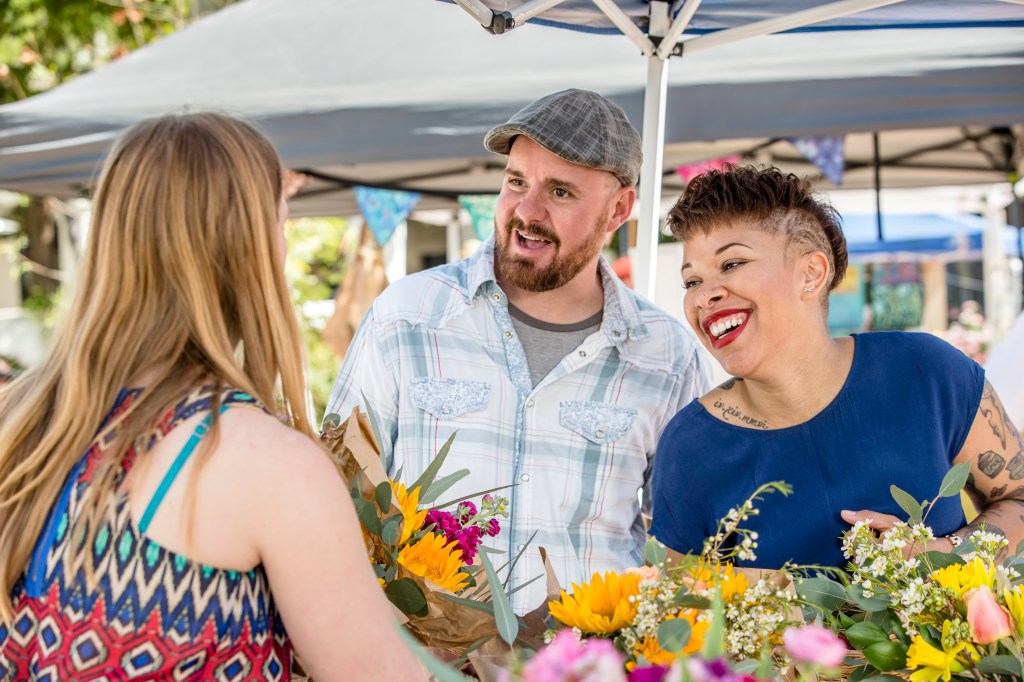
Flower vendor assisting customers at community farmers market

In many cases, the market organizer, property owner, or municipality must be listed through an additional insured endorsement, so they’re protected if a claim arises from your operations. It’s also critical that policy dates match the full market timeline, from setup through teardown, since even a one‑day gap can cause compliance issues.

Aligning COI language with venue insurance requirements and vendor contracts ahead of time helps avoid last‑minute delays, denied access, or missed selling opportunities.

General Liability for Food Sampling, Cottage Foods, and Temperature Control

Food sampling and cottage‑food sales are effective ways to sell goods and engage customers at a farmers’ market or other event, but they also introduce unique risks when allergens, cross‑contamination, or improper temperature control are involved. These activities can trigger customer claims, making liability insurance—and in some cases professional liability—an important consideration for vendors offering tastings or prepared items.

Offering samples or ready‑to‑eat foods increases exposure to illness‑related claims, which is why food sampling coverage is often an additional cost vendors should plan for as their business grows. Proper cottage food vendor coverage, including product liability for artisans, helps address customer claims tied to the products you sell and can also protect other market participants if an incident affects shared space.

When paired with documented food‑safety practices—such as correct hot and cold holding temperatures, clear allergen labeling, and safe handling procedures—the right combination of liability insurance and professional liability reduces the likelihood of an incident and strengthens your defense if a claim arises, helping safeguard your business throughout the market season.

Small Business Booths, Tents, and Weather Readiness

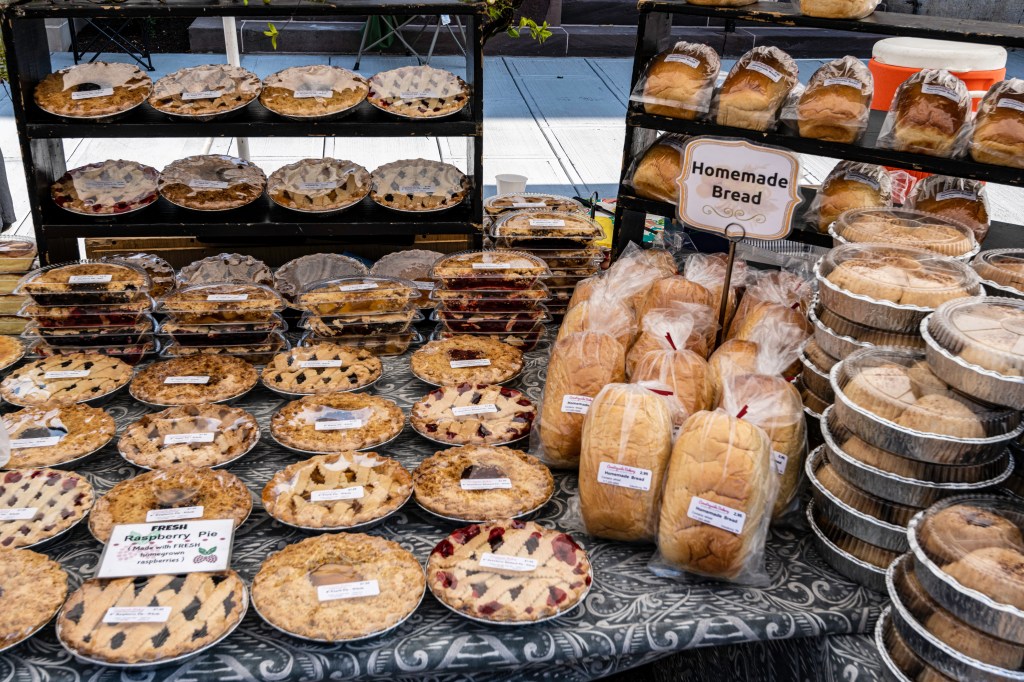
Homemade pies and bread arranged at farmers market booth

Booths, pop‑up canopies, and product displays are essential to a strong farmers market presence, but they’re also highly exposed to weather and heavy foot traffic, especially at a specific event with large crowds. Sudden wind gusts, uneven pavement, or crowded aisles can turn unsecured tents or signage into hazards that result in bodily injury, making adequate liability coverage critical for vendors.

This coverage helps address claims tied to setup, teardown, and day‑to‑day operations, including exposures related to equipment, displays, and customer interactions. It can also extend to completed operations, protecting vendors if an incident occurs after a sale or once a product has left the stall. For vendors with staff or helpers, workers compensation may also be necessary to cover employee injuries that occur during setup, breakdown, or event operations.

Insurance should account for properly anchored tents, weighted signage, and potential damage to premises rented to you, including minor scuffs or surface damage during installation or breakdown. Planning for these risks ensures your coverage protects your business from unexpected claims while keeping you compliant with market rules and focused on a successful market day.

Property, Inventory, and Mobile Equipment

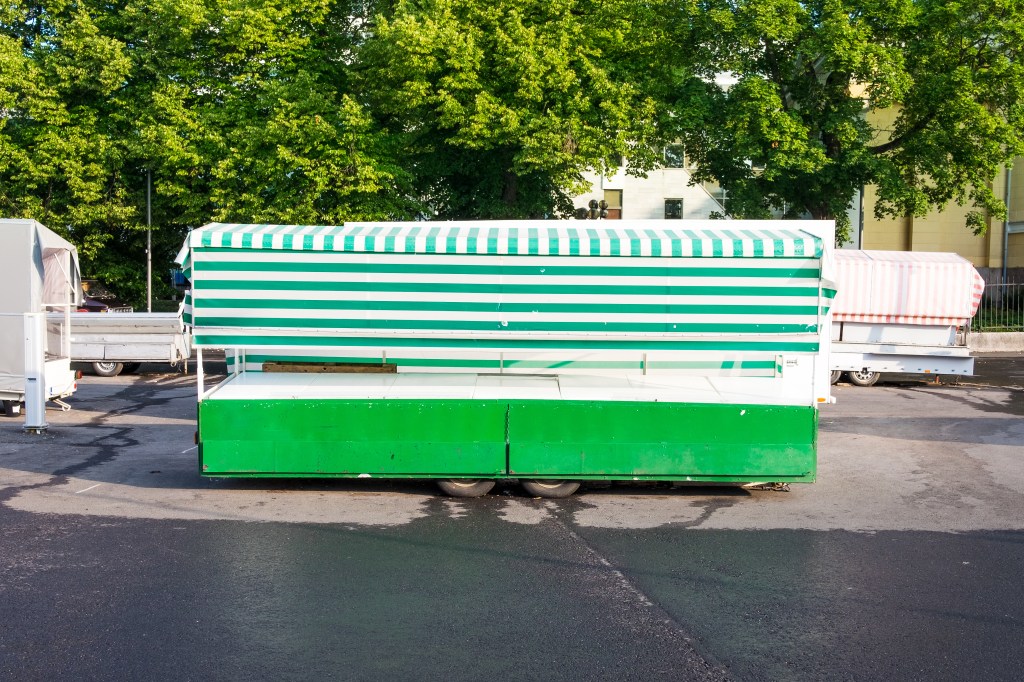
Empty striped market stall setup before opening hours

Property risks don’t stop at liability, vendors also need business insurance that protects the assets keeping daily operations running smoothly. Handmade goods, fresh produce, cash boxes, and payment tablets are all vulnerable to accidental damage, weather exposure, theft, and resulting liability claims during busy market hours. When vehicles are used to transport inventory or equipment, commercial auto insurance may also play a role in protecting business property in transit.

Pairing vendor liability insurance with stock and inventory coverage and mobile POS and equipment coverage helps safeguard these items wherever you sell, not just at a fixed location. While adding coverage can influence overall insurance cost, selecting limits that reflect the maximum value of inventory and equipment you carry helps prevent costly gaps. Choosing realistic coverage limits can make the difference between a smooth recovery and a major financial disruption if something goes wrong.

Vendor Insurance Coverage for Transit, Loading, and Repeated Moves

Many losses don’t happen at the booth, they occur in the moments between home, vehicle, and market, especially for vendors making weekly trips to one premises after another alongside other members of a market or event. Inventory can be damaged while loading, equipment can shift during transit, or items can go missing while staging before setup, all of which may lead to unexpected legal costs, lost wages, or third‑party bodily injury claims. These exposures often intersect with auto insurance when vehicles are involved and require proper liability insurance coverage to avoid costly gaps.

Farmers market vendor insurance that includes goods‑in‑transit coverage and setup and teardown coverage helps close these gaps by extending protection beyond the stall itself. With door‑to‑door coverage in place, goods remain insured during loading, transport, unloading, and temporary staging, helping vendors avoid out‑of‑pocket losses that can quietly accumulate, affect other members of the event, and disrupt income over the course of a busy market season.

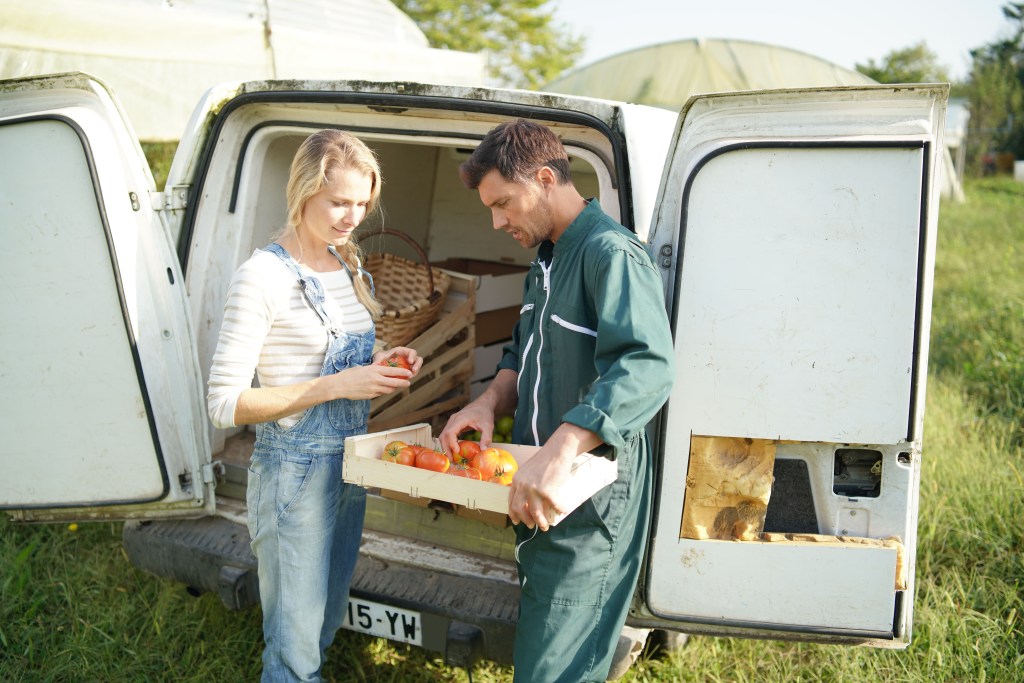
Vendors unloading fresh tomatoes from delivery van at local market

Single-Day, Seasonal, and Multi-Market Options

In conclusion, choosing the right farmers market insurance comes down to understanding how, when, and where you sell, and how much risk your business can realistically absorb. Whether you need a single‑day certificate of insurance (COI) to meet venue requirements or a season‑long policy designed to protect your business week after week, aligning coverage with your selling schedule is essential.

Vendors who move between multiple markets or events benefit most from flexible, portable protection that responds to third‑party claims and changing locations. By matching policy terms, limits, and deductibles to your business pace and peak inventory levels, you can better manage vendor insurance cost, stay compliant, and reduce the financial impact of claims, allowing you to focus on selling confidently all season long.

Pumpkins and seasonal produce displayed at outdoor farmers market

Sources:

https://westernfinancialgroup.ca/Do-I-need-farmers-market-insurance
https://www.brokerlink.ca/blog/insurance-craft-show
https://farmersmarketlegaltoolkit.org/risks/insurance/
https://www.smyrl-insurance.com/blog/what-business-insurance-do-i-need-for-farmers-markets-and-vendor-events/
https://www.thehartford.com/business-insurance/farmers-market
https://www.therestauranthq.com/startups/farmers-market-vendor-insurance/
https://www.reddit.com/r/artbusiness/comments/vrregx/vendor_liability_insurance_at_farmers_craft_market/

County fairs bring communities together, but behind the lights, rides, and crowds, significant risk is always part of the business. Fair boards, municipalities, and producing partners assume responsibility the moment a grounds map is approved, and vendors are invited onsite, making county fair insurance an essential risk management tool.

These tailored insurance solutions provide coverage for real‑world exposures tied to large crowds, diverse activities, and shared venues, helping protect against costly public liability claims. With the right coverage structure in place, a single accident doesn’t have to derail operations or force the business to pay out of pocket, preserving permits, partnerships, and hard‑earned sponsorships.

Core Liability Insurance for Crowds, Midways, And Grounds

Core liability coverage forms the foundation of protection for county fairs by addressing the everyday risk factors that come with hosting a large public event, including crowds, midways, and shared grounds. Fair liability insurance is designed to cover several types of third‑party injury and property damage exposures, from slip‑and‑fall incidents on wet concrete to congestion‑related injuries at entrances or minor damage to facilities and fixtures.

As foot traffic and activity density increase, coverage limits should be carefully aligned with attendance, event footprint, and higher‑risk zones such as ride midways, food courts, and animal interaction areas. Clear incident reporting and claims handling procedures, communicated in advance and easy to request when needed, help ensure issues are documented and resolved quickly before they escalate into costly disruptions.

Permits, Municipal Requirements, And COIs

Permits and municipal approvals often depend on getting the certificate of insurance (COI) exactly right, making it a critical step for any fair or event organization. Most cities require a COI issued under special event insurance, naming the municipality as an additional insured, with clearly defined limits and coverage dates that extend from initial setup through final teardown.

It’s essential to confirm policy details such as primary and noncontributory wording and any required waivers, as these elements frequently determine whether access badges are issued, road closures are approved, and security plans move forward. Careful coordination of COIs helps organizations avoid last‑minute delays that could disrupt vendors, schedules, and public safety preparations.

Vendors, Concessionaires, Exhibitors and Additional Insured Status

Vendors, concessionaires, and exhibitors bring energy and variety to county fairs, especially where people gather to eat, shop, and interact, but they also introduce distinct liability and property exposures that must be carefully managed. Vendor and concessionaire insurance helps address risks associated with food booths, craft sellers, and interactive exhibits, ranging from property damage during setup to product liability when food is sampled or sold.

Clear COI requirements help define and transfer responsibility, protecting the fair’s team and employees while ensuring each vendor carries appropriate coverage for their specific activities. Matching coverage dates to individual load‑in schedules, operating hours, and teardown periods is equally important to prevent gaps that could leave the fair and its staff exposed.

Rides, Inflatables, and Higher-Hazard Attractions

Children playing on inflatable attraction at county fair

Rides, inflatables, and other higher‑hazard attractions bring excitement to a fair, but they also concentrate risk in ways that demand heightened oversight and robust insurance planning. Because these attractions are especially sensitive to anchoring, wind conditions, operator training, and overall crowd safety, amusement rides and inflatables coverage plays a critical role in protecting against serious bodily injury claims.

Fair organizers should verify operator credentials, confirm appropriate endorsements, and ensure coverage limits are aligned with the severity of potential losses, often requiring high limits to avoid claims falling back on the fair’s own pocket. Just as important are documented inspections, clear shutdown thresholds, and consistent risk controls that allow attractions to pause or close before conditions become unsafe, helping safeguard guests, operators, and the fair itself.

Managing Unique Risks: Stages, Livestock, and Temporary Structures

Stages, livestock areas, and temporary structures introduce a distinct layer of risk that spans both installation and live use, driven by the wide range of activities involved throughout the event. Temporary structures and staging, including platforms, bleachers, animal pens, fencing, and signage, are subject to wind loads, shifting ground conditions, and impact during performances or peak attendance.

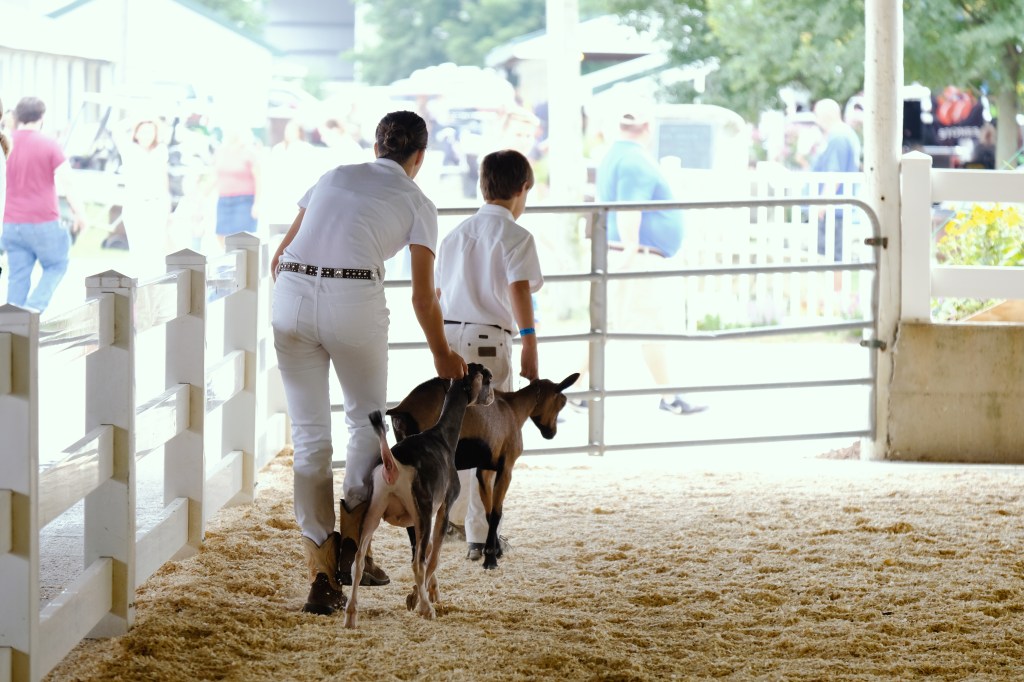
Youth livestock showing goats at county fair barn

These exposures also heighten concerns around livestock and animal show liability, particularly in designated handling, loading, and spectator areas. Effective risk management requires aligning insurance coverage and safety controls with established rigging and structural standards, clearly defined animal management zones, and coordinated traffic flow for staff and exhibitors.

Adequate protection, including coverage for damage to premises rented to you and strong overnight security, helps safeguard structures, equipment, and livestock, supporting safe, continuous operations from setup through teardown.

Alcohol Service, Beer Gardens and Liquor Liability

Alcohol service and beer gardens are popular attractions at fairs, especially where vendors selling food and beverages draw large crowds, but they come with heightened regulatory and liability considerations.

Beer gardens must meet strict permit requirements, including fenced perimeters, controlled entry and exit points, visible ID checks, and trained servers to ensure venue compliance with local alcohol regulations. Thoughtful layout and staffing help manage crowd flow and reduce the risk of over‑service or access by minors.

As part of comprehensive festival insurance, general liability and host liquor liability coverage play a critical role in addressing alcohol‑related incidents, from third‑party injuries to property damage, while also satisfying the specific insurance wording required by venues and municipalities. When alcohol service is properly planned, permitted, and insured, it enhances the guest experience without exposing the event to unnecessary risk.

Carnival food stand and swing ride at county fair

The Role of Festival Insurance for Weather, Postponement, and Event Cancellation

Weather is one of the few risks even event organizers can’t control, yet it can have immediate and costly consequences for everyone involved. Thunderstorms, extreme heat, high winds, or air‑quality alerts may force postponement or closure, impacting not only attendance but also food vendors, entertainers, and operations, triggering ticket refunds, vendor reimbursements, and rebooking expenses.

As part of comprehensive fairground event insurance, event cancellation insurance helps protect against these financial losses by responding to lost revenue and sunk costs when conditions make it unsafe or impractical to proceed.

Pairing this coverage with extra expense protection can further support prepaid commitments, temporary relocation costs, or rescheduling efforts, helping fairs recover more quickly while maintaining strong relationships with vendors, sponsors, and attendees.

Equipment, Power, and Grounds Support

Equipment, power, and grounds support form the backbone of fair operations, yet exposure can vary significantly during load‑in, peak traffic, and teardown depending on the venue and event layout. Decisions around purchasing versus renting equipment also influence risk, particularly for generators, lighting towers, PA systems, temporary fencing, and cabling that are vulnerable to vehicle movement, weather, and crowd contact if not properly staged and secured.

Extending setup and teardown coverage and protecting leased assets helps ensure losses don’t fall back on the fair, its clients, or event partners. Coverage for damage to premises rented to you, paired with documented equipment inventories and condition reports before and after the event, creates clear accountability and speeds claims resolution. Proactive planning in this area helps keep essential systems running smoothly and minimizes costly disruptions when the fair is at its busiest.

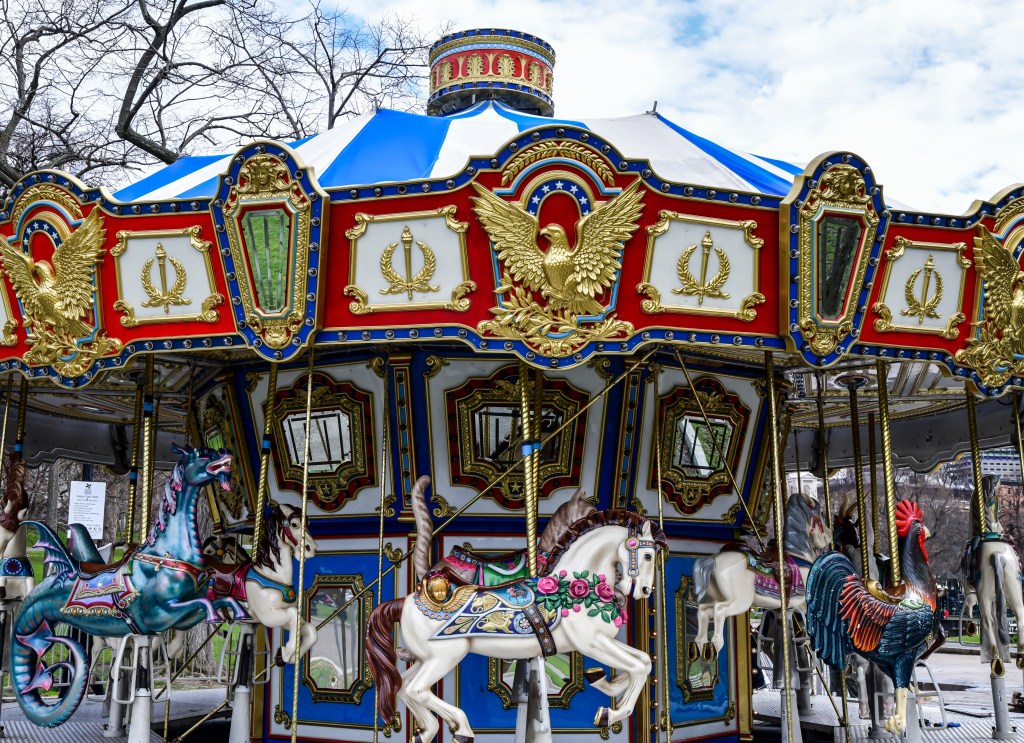
Decorative carousel ride at county fair midway

Sizing Limits, Dates, Documentation and Risk Management

In the end, effective county fair coverage comes down to getting the fundamentals right: limits, dates, and documentation. General liability insurance limits should be structured to cover not only total attendance, but also the mix of activities, attractions, and higher‑risk areas across the grounds where injury exposure is greatest.

Policy dates must span the full lifecycle of the event, build, show days, and strike, to avoid costly gaps in protection, while complementary options such as volunteer accident medical and non‑appearance coverage help address people‑related and entertainment disruptions. Equally important, standardized incident logs, clear reporting procedures, and well‑briefed staff and volunteers strengthen incident reporting and claims handling, demonstrating due care and enabling faster, more efficient resolution.

Together, these practices reduce friction during a claim and allow fair organizers to stay focused on delivering a safe, successful community event.

Sources:

https://www.eventinsurance.marsh.com/ca/en/programs/event-liability-insurance/show-festival-recital-parade-carnival-concert-fair-insurance.html
https://www.richmondhill.ca/en/shared-content/resources/documents/Insurance-Requirements-for-Community-FE—FINAL-.pdf
https://www.reddit.com/r/CraftFairs/comments/1gx9njg/event_insurance/
https://plannerwire.net/insurance-for-conferences-and-special-events-what-planners-need-to-know/
https://elementrisk.com/blog/insuring-your-fair-and-fairground-event/
https://westernfinancialgroup.ca/What-Insurance-is-Needed-for-Summer-Concerts-and-Festivals
https://farmerbrown.com/fair-liability-insurance/

Whether it’s a casual weekend 3v3 soccer meetup or a multi‑day regional basketball bracket, anyone organizing a tournament assumes meaningful responsibility once athletic participants, spectators, and facilities come together. Even well‑managed events carry undeniable risks, such as sprained ankles, injured players, damaged bleachers, or a stray ball striking a parked vehicle.

Without proper sports insurance in place, a single incident can disrupt the schedule and expose organizers to significant financial loss. Sports tournament event insurance offers flexible coverage options designed to protect athletic participants, attendees, volunteers, and host venues, while helping organizers satisfy common venue insurance requirements. With the right liability coverage, medical expense protection, and property damage safeguards, injuries or accidents can be addressed without derailing the event or creating unexpected legal and financial burdens.

Core Liability for Spectators and Facilities

At the core of any comprehensive tournament insurance plan is spectator liability coverage, which helps protect organizers from third‑party claims arising from bodily injury, spectator injury, and property damage, even at the most carefully managed events. Common scenarios such as slips on wet bleachers, collisions in crowded walkways, parking‑lot accidents, or a foul ball breaking a nearby window typically fall under event general liability coverage.

For tournaments offering alcohol, host liquor liability coverage adds an additional layer of protection by addressing claims tied to alcohol‑related incidents involving spectators. Selecting appropriate coverage limits requires careful consideration of anticipated attendance, venue size and layout, alcohol exposure, and the intensity of athletic play. As participation levels and crowd sizes increase, ensuring adequate limits becomes essential to safeguard against costly claims related to bodily injury, spectator injury, and property damage.

Fans cheering enthusiastically in the stands at a sports tournament

Participant Accident Versus General Liability Insurance

Many organizers of sports tournaments and leagues assume a general liability policy covers everything that can go wrong at an event, but injuries to athletic participants in sports like volleyball, baseball, or soccer are often excluded due to standard athletic participation exclusions.

This gap is where participant accident coverage, or participant liability protection, becomes essential. Designed to reimburse eligible medical expenses for players injured during organized play, this coverage typically functions as excess medical insurance that responds after the participant’s primary health insurance.

General liability coverage, by contrast, protects the league or event organizer if they are held legally responsible for bodily injury or property damage suffered by spectators or other third parties. By pairing participant accident coverage with general liability insurance, organizers address both sides of the risk: on‑field injuries requiring prompt medical reimbursement and off‑field incidents that may result in legal claims. Together, these coverages create a more complete safety net for tournaments and sports leagues of all sizes.

Venues, Permits, and Certificates Of Insurance

Most sports facilities will not release keys or finalize a reservation until they receive a Certificate of Insurance (COI) confirming that proper event liability insurance is in place. These certificates typically must name the organizing entity as the named insured and list the facility owner as an additional insured, exactly as outlined in the rental agreement.

Accuracy matters; details such as the organization’s legal name, event dates, coverage limits, and policy terms must align precisely and extend through setup, active play, and teardown. Even minor discrepancies in wording, endorsements, or liability limits can delay approvals or restrict access to fields, courts, or parking areas.

By aligning event liability insurance requirements with the venue contract early in the planning process, organizers can avoid last‑minute complications, maintain smooth access to the facility, and keep the tournament schedule running on time.

Sports Event Insurance for Volunteers, Coaches, Officials, and Vendors

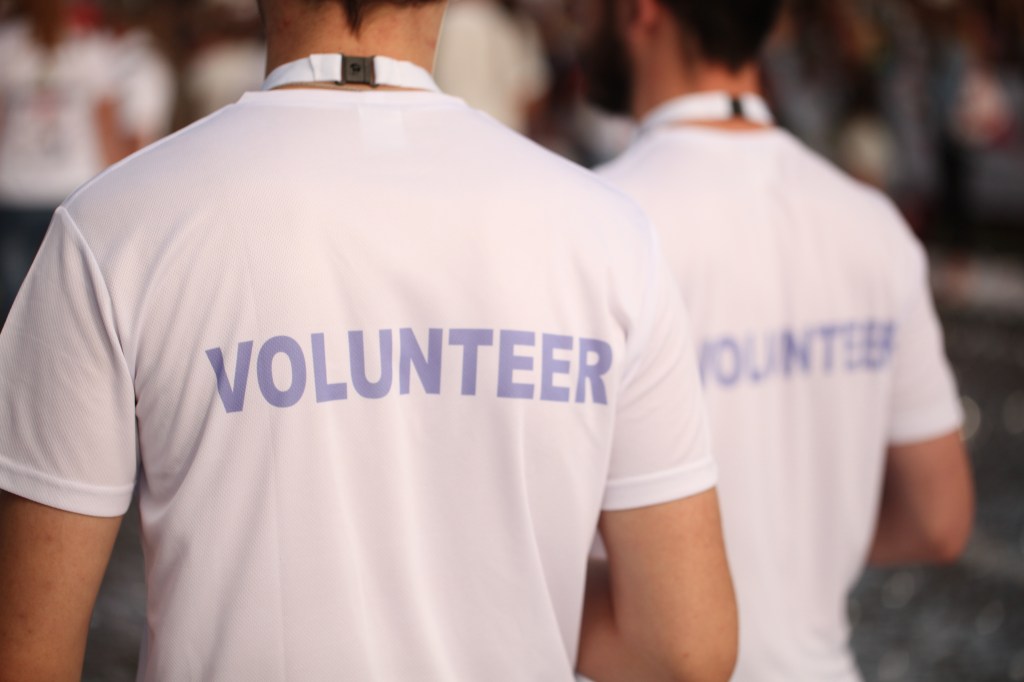
Event volunteers wearing identification shirts at a public gathering

Every individual who contributes to a tournament, including registration staff, scorekeepers, referees, line judges, coaches, and even food or merchandise vendors, adds to the event’s overall risk profile, and insurance responsibilities can vary based on their role. It’s essential for the organizing entity to understand how volunteers are covered under the event’s policy, whether volunteer liability protection is included automatically, or if an endorsement is required. Coaches and officials often face increased exposure due to on‑field decision‑making and interactions with athletic participants, making coaches and officials liability coverage an important consideration, particularly in sports where participant injuries are more common. Vendors present a separate exposure and typically must carry their own insurance, providing a current Certificate of Insurance that names the event or organization as additional insured. Collecting COIs early helps ensure all parties are properly protected, clarifies responsibility for participant injuries or third‑party claims, and prevents compliance issues from delaying setup, schedules, or tournament operations.

Weather, Postponement, and Event Cancellation

Even the most carefully planned tournaments remain subject to circumstances no organizer can control; severe weather, unsafe field or court conditions, power outages, or unexpected venue disruptions can happen at any time. When storms flood fields, lightning forces a shutdown, or a leisure‑focused venue becomes unavailable, organizers must quickly decide whether to reschedule games, issue refunds, or secure an alternate location. Event cancellation and postponement coverage helps protect that plan by offsetting lost revenue, covering weather contingency expenses tied to relocation, and supporting revised brackets or extended rental hours. For larger leisure events or complex tournament formats, a multi‑day or multi‑venue event policy can provide broader protection, allowing organizers to adapt their schedules without exhausting budgets or jeopardizing the remainder of the tournament.

Spectators seated outdoors in heavy rain during a sporting event

Equipment, Fields, and Property Exposures

Tournaments and youth camps rely on a surprising amount of gear, scoreboards, portable goals, nets, cones, benches, tents, and even temporary turf, and all of it is exposed to potential damage during transport, setup and teardown, or active play. Fields themselves also present risk, from divots and turf tears to damaged sprinkler heads or gouged infields, making equipment and field damage coverage a critical component of a well‑structured insurance plan. Working with an experienced sports insurance company, such as American Specialty, helps organizers ensure property limits and valuations reflect true replacement cost rather than depreciated values that may fall short when a claim occurs. Just as important is documenting the condition of fields and equipment before and after the event using photos or checklists. Clear documentation supports smoother claims handling, reduces disputes with facility owners, and helps ensure any covered losses are resolved quickly and efficiently.

Waivers, Concussion Protocols, and First Aid

Clear, standardized waiver and release of liability forms and well‑kept incident logs are two of the simplest tools organizers can use to reduce disputes and speed the claims process when something goes wrong. Just as important is demonstrating proactive care through well‑defined concussion and first aid protocols, which help ensure a consistent and safe response across divisions and age groups.

Whether you’re managing youth athletes or adult brackets, having trained personnel, documented response steps, and clear incident-reporting expectations signals to insurers and parents that safety is taken seriously. These measures don’t just protect participants; they also reinforce that the event is managed with due care, strengthening the overall risk profile of the tournament.

Lifebuoy and first aid kit positioned beside an indoor swimming pool

Special Event Insurance for Multi-Day and Multi-Venue Scheduling

Tournament brackets often span several days and multiple facilities, with teams moving from pool play to the semifinals and finals on different fields, courts, or complexes. This expanded footprint spreads risk across locations, schedules, and fluctuating crowd sizes, making it essential that your insurance policy reflects the realities of a multi‑day/multi‑venue event policy. Coverage should explicitly account for multiple sites in use at once, the travel required between venues, and attendance patterns that may spike during championship rounds. Building strong scheduling coverage and clear venue coordination expectations ensures policy terms truly align with the full scope of your schedule, giving organizers the flexibility to adapt brackets and manage logistics without exposing the event to gaps in protection.

Sources:

https://www.eventinsurancedirect.co.uk/5-benefits-of-sporting-event-insurance/
https://www.o2sportsinsurance.com/a-guide-to-insurance-needs-when-hosting-a-sports-tournament/
https://www.allianz.com/en/mediacenter/news/articles/240626-allianz-insuring-the-biggest-sports-events-on-earth.html
https://www.eventinsurance.marsh.com/ca/en/programs/event-liability-insurance/sporting-event-tournament-competition-games-instructor-insurance.html
https://www.sjlins.co.uk/our-services/sports-club-insurance
https://www.prontoinsurance.com/blog/all-about-sports-event-insurance/

Pop‑up shops may be temporary, but the risks they face are very real. Whether event organizers are launching a week‑long brand activation or hosting a quick weekend retail pop‑in, most events involve constant public interaction, unfamiliar venues, and tight production timelines. That’s why Pop‑Up Shop Insurance, one of the most flexible forms of short-term business insurance, is essential. It helps protect your customers, the host location, and your merchandise, so unexpected accidents or last‑minute setbacks don’t interrupt your activation. With the right coverage in place, your pop‑up can operate as close to risk‑free as possible, allowing you to focus on engagement, sales, and brand impact.

Core General Liability for Customer Interactions

Customer‑facing moments are the heartbeat of pop-up businesses, but they’re also where most liability risks arise. Comprehensive insurance coverage, especially short-term liability coverage, is critical for protecting your brand during live activations. Public liability insurance for pop‑ups safeguards you if a third party is injured or their property is damaged during your event, whether someone slips on a floor decal, trips over a riser, or a display element accidentally makes contact with a guest.

For vendors bringing physical products or interactive installations on‑site, product liability coverage may also be essential to address claims related to the items you sell, sample, or demonstrate. As part of your broader short‑term event insurance coverage, it’s important not to base protection solely on the size of your footprint. Instead, tailor liability limits to real‑world risk factors such as projected foot traffic, build complexity, hands‑on engagement, and how closely attendees interact with your displays. Properly scoped coverage ensures your pop‑up is protected where it matters most, on the ground, in real time.

Property, Stock, And Portable Equipment

Handmade goods displayed at an artisan pop up market requiring vendor and pop up shop insurance

Pop‑ups depend on a constant flow of merchandise and equipment, from samples and POS tablets to mirrors, racks, signage, and demo units, moving quickly from load‑in to showtime to strike. With so many assets in motion, pop‑up businesses face elevated exposure to accidental property damage, loss, or theft. If these items are damaged or missing, brands and event operators may be held liable for repair or replacement costs.

That’s why flexible coverage backed by well‑scoped stock and inventory insurance, portable equipment protection, and business personal property coverage is essential. These policies help pay and protect for the real‑world risks of temporary retail, ensuring your assets are covered not only while the pop‑up is live, but also during transport, setup, rehearsals, and teardown. With clear, event‑specific protection in place, you can safeguard the tools and inventory that keep your activation running smoothly, no matter how fast the environment moves.

Rented Spaces, COIs, And Venue Language

When operating in a rented space or host venue, insurance needs quickly become a core part of your production checklist. Most landlords and event spaces require proper insurance documentation, including a certificate of insurance (COI) that names the venue as an additional insured and contains venue‑specific language. Without this in place, access delays or last‑minute complications can put your activation at risk.
Early insurance planning is key. Your COI should reflect the full lifecycle of the pop‑up, not just public show days, but also load‑in, rehearsals, setup, teardown, and strike. Aligning coverage dates with these critical handover windows ensures uninterrupted access, avoids compliance gaps, and supports a smooth working relationship with your host venue from start to finish. Thoughtful planning helps ensure your coverage meets real‑world requirements and keeps your activation moving forward without surprises.

Pop up shop owner reviewing business plans and insurance coverage on a laptop

Damage To Premises And Tenant Liability

Even the most precisely executed pop‑up buildout can leave behind unintended damage, scuffed floors from rolling racks, chipped walls from mounted signage, or a cracked glass panel during teardown. These installations create real exposure for damage to rented premises, which is why many insurers treat this as a specific type of liability and why venues frequently require coverage for “damage to premises rented to you” under their lease terms.

Whether you rely on a short‑term policy or an annual policy used for multiple activations, it’s critical to confirm that tenant legal liability is included. This coverage helps protect you if the space itself is accidentally damaged during install or strike, preventing you from having to pay out of pocket for repairs. As part of your broader temporary retail insurance strategy, matching coverage limits to the venue’s contractual requirements ensures minor incidents don’t turn into expensive disputes or unexpected demands for money once the activation wraps.

Vendors, Caterers, And Third-Party Partners for Big Crowds

Pop‑ups often rely on a wide network of collaborators, coffee carts, caterers, florists, photo booths, DJs, rental crews, and other specialty vendors, to elevate the customer experience. Each added partner, however, introduces new layers of risk and potential claims exposure. For this reason, many organizers require vendors to provide an ACORD certificate as formal proof of insurance, outlining active coverage, limits, and required endorsements.

Customers lined up at a food truck pop up, highlighting insurance needs for temporary retail vendors

As an example, vendors may need to list the pop‑up organizer or venue as an additional insured and, in some cases, include waiver of subrogation wording so that any claims arising from their operations do not flow back to the activation. To stay compliant, collect and review all vendor and contractor COIs well in advance of opening day, carefully verifying coverage dates, limits, and endorsements. A single gap in a vendor’s proof of insurance can jeopardize the entire event, so a structured COI‑tracking process helps prevent coverage disputes, minimize claims complications, and keep your production timeline on track.

Security, Theft, And Cash Handling

High‑traffic pop‑ups often concentrate a surprising amount of merchandise, equipment, and cash into compact, fast‑moving environments, making them attractive targets for theft, vandalism, and resulting liability claims. Pairing strong on‑site controls with the right insurance is essential. Well‑structured theft and vandalism protection, combined with comprehensive stock and inventory coverage, helps safeguard both high‑value assets and everyday retail essentials.

When these risks lead to disputes or liability claims, having short-term liability insurance in place can also support legal defense and help offset legal fees, preventing a single incident from disrupting the business. Certain coverages may even help address lost income tied to forced downtime following a covered loss. Complement your policies with practical safeguards such as locked display cases, secure overnight storage for electronics and merchandise, and reduced cash‑on‑hand through tighter handling windows or cashless payment options. Blending these operational measures with thoughtful insurance coverage helps protect your activation without compromising customer flow, revenue, or the overall experience.

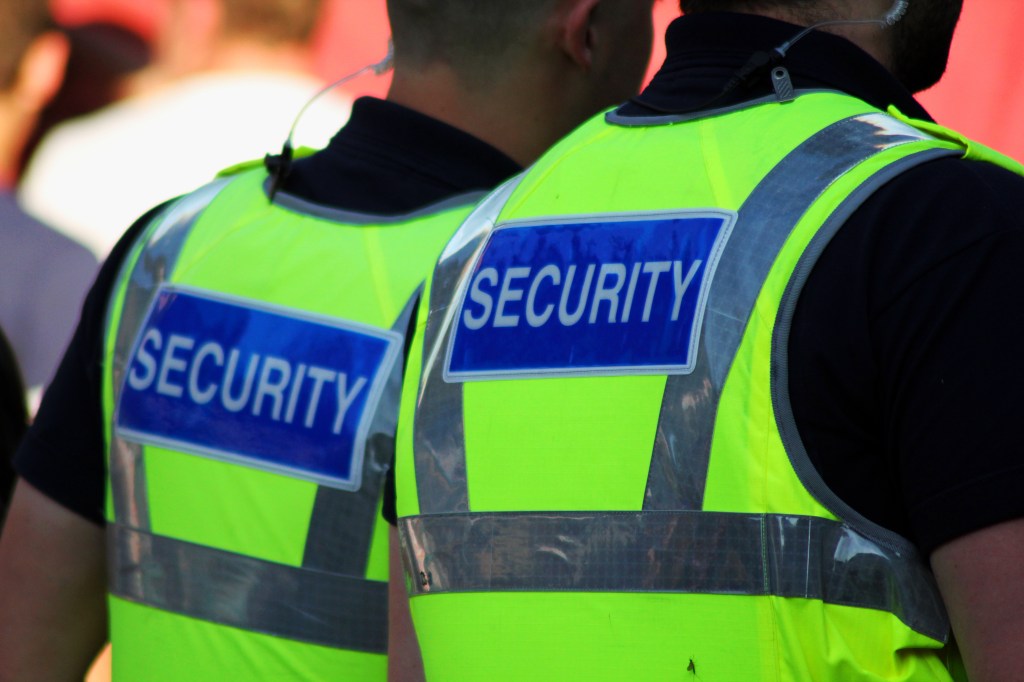
Event security personnel managing crowd safety for insured pop up shop and retail events

Goods In Transit and Mobile Builds

Pop‑up activations don’t just live at the venue; they’re constantly in motion. Fixtures, props, merchandise, and demo units move from warehouse to van to event site, and those transitions are where many losses happen. Items can be damaged during loading, shift in transit, or get scuffed during staging long before doors open.

Extending your protection with goods‑in‑transit coverage, supported by portable equipment insurance, business personal property protection, and an affordable company general liability insurance program, helps ensure your assets are protected door‑to‑door, not just once they arrive on-site. With end‑to‑end transit coverage in place, your team can move quickly and confidently, knowing that both the build and the inventory are covered throughout the entire journey.

Right-Sizing Limits, Deductibles, And Dates

Calculating costs and coverage options for pop up shop insurance and small business liability

In the end, the strongest pop‑up insurance approach is one that fits your activation as precisely as the space itself. For small business operators running pop‑ups for one season, or even a single weekend, coverage should be built around real timelines, including setup, show days, and teardown, without paying for excess downtime. Limits should reflect the peak value of your inventory, equipment, and on‑site assets, while also accounting for employees working the floor and behind the scenes. Meeting the contractual requirements of most venues, such as primary and noncontributory wording or additional insured endorsements, keeps access smooth and relationships intact. By right‑sizing coverage, deductibles, and policy terms to actual risk, brands can keep insurance lean, compliant, and aligned with the fast‑moving realities of temporary retail.

Sources:

https://www.trushieldinsurance.ca/blog/insurance-101/what-insurance-coverages-do-i-need-for-my-retail-business/
https://www.federato.ai/library/post/pop-up-shop-insurance-streamlining-coverage-in-the-digital-age
https://www.reddit.com/r/restaurantowners/comments/14mxhkh/insurance_for_pop_ups/
https://jmg.com/insurance-guide-for-covering-your-pop-up-store/
https://www.insurancebusinessmag.com/ca/news/breaking-news/popups-can-sidestep-major-risks-with-tailored-insurance-coverage-179679.aspx
https://marshlandins.com/blog/insuring-seasonal-and-pop-up-businesses

From 1K kids’ fun runs to 10Ks, full marathons, zombie runs, and community walks, every race director assumes third-party risk the moment they map a route and invite participants. Insurance coverage is essential because running event insurance, nonprofit event insurance, and event general liability policies protect against unexpected incidents involving spectators, volunteers, or the venue/municipality.

Partnering with the right insurance provider ensures your organization has comprehensive business insurance tailored for races and charity events. Without proper coverage, a single accident could derail fundraising efforts and damage your reputation. Securing the right policy keeps your charity run or walk focused on its mission, raising awareness and funds, while minimizing liability concerns.

Core Event Liability Insurance for Route and Crowd Management

Managing a race route isn’t just about logistics; it’s about mitigating risks for event organizers and race officials. Event general liability for running races provides critical protection against third-party bodily injury and property damage that can occur during your event, from slip-and-fall incidents to accidents involving curbside spectators.

When you factor in crowd control, barricade liability, and road closure liability, comprehensive insurance coverage becomes even more essential. These protections address exposures tied to fencing, street fixtures, and vehicle contact along the course, ensuring that one mishap doesn’t derail your event or fundraising goals.

Participant Accident and Medical Expense Benefits

Even the most thorough planning process can’t prevent every incident, sprains, dehydration, or unexpected falls can happen during running events. That’s where participant accident coverage and accidental medical coverage come in, helping reimburse eligible medical costs for injured runners.

This coverage works alongside, not in place of, your liability policy, ensuring comprehensive protection. Pairing it with a medical tent and first aid liability adds another layer of security for on-site care teams, while running event insurance safeguards your organization against unforeseen expenses. These protections also address exposures related to premises rented for the event.

Together, they help maintain participant confidence and event credibility while minimizing the risk of a costly claim.

Volunteers, Marshals, and Vendor Coordination

Volunteers in red shirts managing finish line at a fundraising race, supported by charity run insurance coverage.

Every race, whether a it’s a warrior run, road race, or mud run, relies on a network of people and partners: route marshals, registration teams, timing providers, and food vendors. Each plays a role in shaping your event’s risk profile. Securing volunteer liability insurance ensures those assisting on race day are covered under your policy and that the policy covers their activities.

At the same time, enforcing vendor insurance requirements and collecting a certificate of insurance for races helps prevent nonprofit organizations from carrying avoidable exposures. These steps create a safer, more compliant event environment while protecting your reputation and resources.

Route Permits, Municipal Requirements: Event Insurance Policy and Certificates of Insurance

Securing the right permits is only part of the planning; meeting insurance requirements is just as critical. Most municipalities require proof that your insurance program includes them as an additional insured and complies with permit limits. Aligning your route permit coverage with event dates, including setup, race day, and teardown, helps prevent last-minute access delays at staging areas.

Collecting a certificate of insurance for races ensures compliance and builds trust with local authorities, whether for insured events like charity runs or professional sports events. While adding these protections may involve an additional cost, they safeguard your organization against liability and keep your event on track.

Weather, Postponement, and Event Cancellation Insurance

Outdoor races face unpredictable challenges, severe storms, unsafe air quality, or extreme heat can force postponements or cancellations, leading to refund obligations, rebooking costs, and even potential legal fees if disputes arise.

Rainy highway and wet road conditions, showing weather-related risks that charity run insurance can address.

Event cancellation insurance for races helps safeguard your budget by covering prepaid expenses and lost revenue for an insured event. Adding severe weather postponement coverage ensures flexibility when conditions require rescheduling, while liability insurance and nonprofit event insurance provide broader protection for your organization’s financial stability.

These policies, often part of a comprehensive insurance program, help minimize the risk of a costly claim and keep your mission on track, even when the forecast doesn’t cooperate. While there may be an additional cost, these protections are essential for races and event management services supporting charity runs and professional sports events.

Equipment and Property: Timing, Tents, and Barricades and Additional Insured Requirements

Race-day essentials, like timing mats, PA systems, cones, and tents, are vulnerable during setup, live operations, and teardown. Extending equipment and gear coverage for races ensures these mission-critical items are protected against damage or loss. Pair this with setup and teardown coverage to safeguard against incidents during load-in and breakdown, including personal injury risks.

For events featuring man-made obstacle courses, mud runs, or post-race parties, having similar coverage for specialized equipment and temporary structures is critical. Combined with comprehensive running event insurance, these protections help keep your event on schedule and your budget intact, even when the unexpected happens.

Insurance for Charity Runs: Start/Finish Zones and “Festival” Add-Ons

The excitement doesn’t end at the finish line; activations like sponsor booths, music stages, and post-race parties create high-traffic areas where incidents are more likely. Securing finish line festival liability helps protect against accidents in these dense zones, addressing legal liability for bodily injury or property damage.

Enforcing vendor insurance requirements ensures every partner shares responsibility for risk, while adding casualty coverage for equipment and temporary structures strengthens your protection. Pair these measures with comprehensive general liability insurance for races to keep your celebration safe and your organization protected from unexpected claims.

Large group of runners in a city charity road race, illustrating liability risks covered by event insurance.

General Liability Insurance: Sizing Limits, Waivers, and Incident Reporting

The final step in risk management is aligning your business insurance policy with the realities of your event. Right-size your limits based on headcount, route complexity, and municipal requirements to avoid coverage gaps. Use participant waivers consistently to reinforce liability protection and establish a clear incident reporting process to accelerate claim handling and maintain compliance.

Whether you’re planning foot races, adventure races, or virtual events, these measures, along with certificates of insurance and road closure liability, ensure your event runs smoothly and your organization stays protected from start to finish.

Participant signing waiver form at registration table for a charity run, highlighting event insurance paperwork.

Sources:

https://www.kandkinsurance.com/programs/event-insurance/running-event-insurance
https://www.frontrowinsurance.com/charity-event-insurance
https://www.eventinsurance.marsh.com/ca/en/programs/event-liability-insurance/charity-youth-friendly-event-non-profit-fundraiser-insurance.html
https://esportsinsurance.com/quote/races/
https://americanspecialtyexpress.com/programs/special-events/walk-run-events
https://www.espspecialty.com/athletics/road-race-insurance/

When a city, Business Improvement Area (BIA), nonprofit, or production partner approves a parade route, street fair footprint, or music festival, they’re assuming significant risk. From bustling crowds to live performances, these events involve countless moving parts, and one unexpected incident can lead to costly claims, jeopardize permits, and derail programs.

That’s why event insurance is essential. Understanding event insurance costs and the right insurance cover ensures protection for spectators, participants, and the municipality itself. Whether it’s a street festival or a music festival, event insurance creates a safety net, so celebrations stay joyful, secure, and financially protected.

Street Festival Insurance: Core Liability for Crowds and Public Spaces

Managing large gatherings means managing risk, and event insurance coverage is key. Event general liability coverage responds to third-party injury and property damage that can occur in crowded sidewalks, curbside viewing areas, and busy vendor aisles. With thousands of attendees and multiple attractions, even minor mishaps can escalate quickly.

Crowd control and barricade risk also matter, as inadequate barriers or poor flow management can lead to accidents and claims. Liability limits start at baseline levels but vary depending on expected attendance, footprint size, and higher-risk features on the event map. Choosing the right event insurance coverage ensures your celebration stays protected from start to finish.

Permits, Municipal Requirements, COIs and Insurance Cover

Securing the right permits is only half the battle; meeting municipal insurance requirements is just as critical. Most cities require an insurance policy and a certificate of insurance (COI) that names the municipality as an additional insured, with specific limits and coverage dates that include setup and takedown periods.

These coverage options must align with road closure and route permits, staging times, and even pre-event rehearsals to avoid compliance issues. Properly structured endorsements ensure your event—and other special events- run smoothly without last-minute surprises.

City park with tents and booths set up for a community festival, showing the type of public events protected by street festival insurance.

Parade Vehicles, Floats, and Processions

Parade processions bring unique challenges, introducing moving hazards around spectators, barriers, and intersections. Proper planning is essential to minimize risk when people gather in large numbers. Parade insurance provides coverage for accidents involving floats and escort vehicles, while clear route control ensures safe navigation through crossings and turns.

Addressing crowd control and barricade risk is also vital, poorly placed barriers or inadequate supervision can lead to injuries and liability claims. Event organizers are responsible to coordinate certificates of insurance across all participants and document marshal plans, helping keep the event secure, compliant, and fully protected.

Vendors, Market Stalls, and Food Sampling

Temporary booths may seem low risk, but they introduce exposures like slips, trips, small property losses, and claims tied to food sampling. To protect your event, most venues require vendor insurance, and it’s your company’s responsibility to enforce these requirements. Confirm that every stallholder carries an insurance policy that can provide coverage for accidents and property damage.

Hand holding a tray of street food at a busy outdoor market, symbolizing food vendor liability and street festival insurance needs.

Don’t overlook food sampling liability, as even minor incidents can lead to costly claims and vendors being held liable. Setting property limits that reflect peak stock and portable POS equipment ensures vendors are safeguarded while keeping your event compliant and secure. For details or assistance, contact your insurance provider to review coverage options.

Stages, Inflatables, and Temporary Structures

Pop-up stages, inflatables, truss systems, and signage bring unique risks to outdoor events. Wind, impact, and installation hazards can lead to costly claims if not properly managed. That’s why special event insurance is essential—it should provide coverage for setup and teardown periods and account for temporary structures and staging throughout the event footprint.

Additionally, verifying rigging standards and addressing rigging and signage liability is critical to prevent accidents that could cause bodily injury. Most insurance policies also require listing additional insureds, ensuring all stakeholders are protected. Anchoring and security measures help keep these structures safe and compliant from start to finish.

Beer Gardens, Tastings, Host Liquor and Additional Insureds

Open-air courtyard bar filled with people at a summer event, representing risks covered by street festival insurance for vendors and organizers.

Alcohol service at any event comes with heightened responsibility. Beer gardens and tasting zones concentrate guests and compliance requirements, making risk management essential. Event liability insurance is critical because it helps protect against alcohol-related incidents, while festival insurance coverage provides broader protection for the entire event footprint. Host liquor liability coverage should be part of your insurance policy to address bodily injury or property damage claims.

Additionally, venue compliance plays a major role; permit wording often dictates staffing levels, fencing requirements, and strict ID controls. Aligning these measures with proper insurance coverage keeps your event safe, compliant, and enjoyable for all attendees.

Weather, Postponement, Event Cancellation and Bodily Injury Coverage

Severe weather can force a postponement or full cancellation, driving rebooking costs and vendor refunds. Pair cancellation/postponement options with clear communication plans to protect prepaid commitments and keep sponsors engaged.
Keywords: event cancellation and postponement, weather contingency plans, festival liability insurance

Outdoor events always face the unpredictability of extreme weather, which can force a postponement or full cancellation, leading to rebooking costs, vendor refunds, and disappointed attendees on the big day. Event cancellation insurance is essential to safeguard prepaid commitments and maintain sponsor confidence when plans change unexpectedly. Pair this coverage with robust weather contingency plans to minimize financial risk.

Incorporating festival insurance cover ensures both operational and liability risks are addressed, while clear communication strategies keep stakeholders informed and engaged throughout the event.

Crowded outdoor night street festival with hanging lights and decorations, illustrating the need for street festival insurance and liability coverage.

Festival Insurance Cover: Right-Sizing Limits, Dates, and Endorsements

The final step in securing event coverage is making sure every detail aligns with your risk profile and municipal requirements. For street festival insurance, match liability limits to crowd size, parade length, and activation density, and confirm that effective dates span from load-in through final strike. A properly issued certificate of insurance (COI) should include additional insured language for municipalities, along with primary/noncontributory and waiver wording to satisfy city, venue, and sponsor agreements.

Understanding what you pay, the cost of coverage, and how premium rates are calculated ensures transparency and compliance. Comprehensive event liability insurance paired with accurate endorsements keeps your event protected and ready for success.

Sources:

https://www.eventinsurance.marsh.com/ca/en/programs/event-liability-insurance/show-festival-recital-parade-carnival-concert-fair-insurance.html
https://www.ticketfairy.com/blog/festival-insurance-101-covering-your-bases-and-reducing-liability
https://www.xinsurance.com/blog/street-fairs-types-liability-risks-and-the-need-for-insurance/
https://esportsinsurance.com/festival-liability-insurance/
https://www.primeis.com/education-center/articles/summer-festival-insurance-a-guide-by-prime-insurance-company/
https://www.frontrowinsurance.com/articles/why-your-summer-festival-needs-special-event-insurance

Whether you’re showcasing products at a B2B expo, selling handmade goods at a craft fair, or presenting artwork at a gallery show, exhibitions come with unique risks. Exhibitors interact closely with the public, handle valuable displays, and often conduct live demonstrations, all of which increase the chance of accidents.

A single slip-and-fall near your booth, a damaged stand, or a malfunctioning product demo can lead to expensive third-party claims and liability issues. Without proper coverage, such as exhibitor insurance, public liability for exhibitors, and general liability insurance, these incidents can quickly turn a successful event into a financial setback.

Many venues also have strict insurance requirements, making insurance for exhibitions and liability insurance non-negotiable. That’s why securing the right coverage isn’t just a precaution, it’s essential protection for your business, your reputation, and your peace of mind.

Event Liability Insurance and Core Protections Every Exhibitor Needs

When planning for exhibitions, trade shows, or displays, having the right insurance coverage is critical. Start with public liability for exhibitors and general liability insurance, which protect against claims for injury or property damage to third parties, such as a visitor tripping near your booth or accidental damage to the venue.

If you’re selling or demonstrating products, add product liability for vendors to cover risks from defective items or demos that cause harm. Vendors should also consider vendor liability insurance coverage to safeguard against unexpected incidents.

Finally, round out your protection with property coverage for booth materials, stock, and portable equipment on the show floor. These core protections ensure compliance with venue insurance requirements, provide robust liability coverage, and help you manage the total cost of risk, so your business and reputation stay secure.

Meeting Venue Requirements and Certificates of Insurance

Most event venues require proof of business insurance before granting access, and that usually means providing a Certificate of Insurance (COI). The COI must name the venue under additional insured requirements and confirm that your policy limits meet their venue insurance requirements.

To avoid last-minute delays, build in lead time to request and secure COIs from your insurer and ensure they provide coverage for your specific event. Double-check that effective dates align with your full event schedule, including move-in, live show days, and move-out, so you’re protected from start to finish.

Covering Booths, Stands, Stock, Kit, and Additional Insured

Blurred view of a large expo hall representing insurance needs for exhibitions

Your booth is more than a display; it’s a collection of valuable assets that need protection. From signage and sample inventory to point-of-sale tech and portable equipment, everything on the show floor faces risks like theft, accidental damage, or mishandling in crowded aisles. To stay covered, secure booth insurance that includes stock and inventory coverage and property and equipment cover for all items on-site.

Pair this with event liability insurance to address risks involving premises rented, service providers, and attendees. Make sure your coverage limits reflect peak stock values, not just averages, and confirm that portable equipment remains insured while on the stand. These steps help safeguard your investment and keep your event running smoothly.

Product Liability For Sampling, Demos, And Sales

Offering free samples, hosting live demonstrations, or selling products on-site can create unexpected liability risks, especially at consumer shows, craft shows, or any large facility event. If an item causes injury or property damage, you could face costly claims.

To protect your business, confirm that your general liability policy and exhibitor insurance extend to products handled by the public and any items you distribute during the event.

Adding product liability for vendors and public liability for exhibitors ensures comprehensive coverage. These steps help you provide coverage for every scenario, safeguard your reputation, and keep your event experience stress-free.

Exhibitor handing a brochure to a visitor at a booth discussing exhibition insurance

Pop-Ups, Markets, And Short-Term Trading

Pop-up events and market stalls may look simple, but they carry real risks. Tight spaces, heavy foot traffic, and temporary setups can lead to accidents or property damage. Being responsible for your space means being prepared for what you could be liable for. Short-term policies like pop-up event insurance, stallholder insurance, and market trader insurance are smart solutions, offering coverage that matches your event dates while still providing essential protection for liability and property.

Whether it’s protecting your stock, signage, or equipment, these flexible options make it easy to purchase the right protection and trade with confidence, because when it comes to risk, every detail matters.

Setup, Break, And Transit Between Venues for Event Planners

The riskiest moments often happen behind the scenes, during load-in, setup, and breakdown coverage is essential. Crowded aisles, heavy gear, and complex stand assembly can lead to accidental injury or third-party property damage. Add goods in transit cover to protect booth materials, stock, and equipment while moving between venues, and confirm your general liability coverage runs from dock arrival through final strike.

For vendors who participate in special events year-round, consider year-round coverage to avoid gaps. These steps ensure you’re protected every step of the way, not just during show hours.

Busy trade show floor with attendees illustrating exhibition liability risks

Right-Sizing Limits and Deductibles with Your Insurance Company

When planning trade show insurance or coverage for vendors and exhibitors, it’s essential to align your insurance policy limits with actual exposure. Calibrate general liability coverage to meet venue insurance requirements and anticipated crowd size, ensuring compliance without overpaying.

For property and equipment cover, set limits equal to the full replacement value of your booth, stand, and inventory, this protects your investment if the unexpected happens. Review your policy period to confirm it spans setup, show days, and breakdown, and consider additional coverage for high-value items or special risks.

Finally, choose deductibles that strike the right balance: lower premiums are appealing, but make sure the out-of-pocket cost remains manageable should a claim arise.

General Liability in Action: Common Exhibition Claim Scenarios

Exhibiting at events comes with unique risks that can quickly turn into costly claims. Picture a visitor tripping over a display base, triggering public liability for exhibitors, or a banner stand leaving scratches on a rented wall, resulting in third-party property damage.

Even a sample stock disappearing during a hectic changeover highlights the need for stock and inventory coverage. These scenarios happen more often than you think, and each one underscores why a solid general liability policy with an appropriate aggregate limit is essential.

Beyond property and liability, consider coverage for lost wages and the maximum amount your policy will pay in case of a major claim. Protecting yourself against accidents and unexpected losses ensures your brand stays focused on making an impact, not managing setbacks.

Older couple reviewing an exhibition insurance application form at a table

Placing With A Specialty Market That Understands Exhibitors

When it comes to event protection, partnering with a specialist market makes all the difference. These providers understand the unique challenges vendors and exhibitors face—from booth-specific risks like hired or rented equipment cover and heavy foot traffic to compliance with trade show insurance requirements. They can issue Certificates of Insurance (COIs) quickly, offer instant quotes, and ensure your insurance policy includes event cancellation coverage and additional coverage for complex setups.

Their programs are designed to travel seamlessly from show to show, aligning with tight timelines and venue requirements. The result? Faster turnaround for your clients and tailored protection that keeps every exhibit running smoothly.

Sources:

https://www.abcweddingplanners.com/notebook/blog/the-importance-of-event-liability-insurance
https://helloendless.com/event-insurance-101/
https://www.eventbookings.com/blog/what-is-event-insurance/
https://www.strauss.ca/insurance-what-event-planners-need-to-consider-when-organizing-an-association-event/
https://www.thehartford.com/business-insurance/event-planner
https://www.sharedspace.co.nz/blog/778-public-liability-insurance-in-venue-hire.html
https://www.protectivity.com/knowledge-centre/holding-a-pop-up-event/
https://onthecobblestoneroad.com/booth-insurance/
https://www.zensurance.com/vendor-insurance/trade-show-exhibitor
https://www.starlightexhibitions.co.uk/blog/exhibitions-and-event-insurance
https://www.directlineforbusiness.co.uk/small-business-insurance/market-traders

From associations and corporates to universities and trade bodies, every organizer assumes risk the moment planning begins. Special events like conferences involve multiple moving parts, attendees, speakers, exhibitors, and venues, all of which can be vulnerable to unexpected incidents. Meeting venue contract requirements often means securing conference liability insurance and ensuring your insurance coverage spans the entire schedule.

Comprehensive event insurance for conferences acts as a safety net, protecting against disruptions and financial setbacks. Whether you need to buy event insurance for a single conference or multiple shows, the right policy ensures confidence, continuity, and protection for the investment behind every successful event.

Core Event Liability: Protecting Attendees and Venues

Every event, whether trade shows, conferences, or other special events, carries inherent risks, making public liability coverage essential to protect both attendees and venues. This coverage steps in when third-party bodily injury or property damage to premises occurs during the event, while venue damage liability provisions cover accidental harm to floors, walls, and fixtures. Without proper protection, organizers can be held responsible for costly claims.

To ensure comprehensive security, align coverage limits with contractual requirements, something many venues mandate, and confirm that the policy period spans the entire lifecycle: move-in, live event days, and move-out. This proactive approach helps prevent unexpected financial loss, including lost deposits, and keeps your event running smoothly.

Event Cancellation, Postponement, And Extra Expense

Severe weather, venue closure, or utility failure can force a postponement that drives rebooking costs and refund obligations. Cancellation cover pairs with extra expense to fund relocation or date moves and to protect prepaid commitments.
Keywords: event cancellation and postponement, extra expense coverage, venue contract requirements

Even the most carefully planned event can be disrupted by severe weather, venue closures, or unexpected utility failures. These setbacks often lead to costly rebookings and refund obligations that can strain budgets and timelines. Event cancellation coverage, paired with extra expense protection, ensures you have the resources to relocate, reschedule, or adjust dates without compromising your commitments. It’s a safeguard that keeps your event—and your reputation—on track when the unexpected happens.

Non-Appearance And Keynote Dependencies: Insurance Cover Explained

Man speaking into microphone on stage at professional event

When a headline speaker or keynote presenter can’t attend due to a covered cause, the ripple effect can be costly, lost ticket sales, sponsorship adjustments, and urgent re-marketing efforts can quickly erode your event budget. Non-appearance coverage is designed to absorb these financial shocks by offsetting lost revenue and funding promotional changes needed to keep your program on track.

For organizers seeking event insurance for conferences, this safeguard is critical, especially when your schedule hinges on star power and high-profile sessions. Pair it with general liability and other essential protections to meet venue contract requirements and ensure your event services remain uninterrupted. Before booking, quote select options that include non-appearance coverage to protect your investment and reputation.

Hired Staging, AV, And Technology

Events depend on temporary setups, staging, point-of-sale systems, and audiovisual equipment, that face significant risk during installation, live sessions, and teardown. These assets are costly and critical for smooth operations, making them vulnerable to accidental damage, theft, or mishandling. Hired equipment insurance and audiovisual equipment cover provide a safety net, ensuring that unexpected loss doesn’t derail your event or inflate your budget.

Since property damage to premises can also occur when equipment is moved or installed, partnering with a trusted company for comprehensive coverage is key. This protection keeps your show running and your reputation intact.

Contracts, COIs, And Additional Insureds

Row of notepads and pens set up for conference attendees

Event agreements often come with strict venue contract requirements, which can vary based on services and cancellation terms. Meeting these requirements is critical for access and compliance. Most venues and partners will request Certificates of Insurance (COI) that include specific endorsements, such as an additional insured endorsement, primary and noncontributory wording, and accurate, effective dates.

In some cases, you may need to pay to add additional coverage to satisfy these obligations. Ensuring these details are correct upfront avoids last-minute delays and protects your organization from liability gaps. A well-prepared COI isn’t just paperwork; it’s your ticket to a smooth event setup.

Event Insurance Cost for Exhibitors, Vendors, and Third Parties

Expo halls and sponsor activations introduce added complexity to event liability. Each exhibitor or vendor brings unique exposures beyond the organizer’s policy, making clear risk management essential. Require all participating vendors to provide proof of exhibitors and vendor liability coverage and confirm how your program responds if you’re named in a claim.

Comprehensive public liability coverage and conference liability insurance ensure that coverage protects against financial loss, lost deposits, and unexpected third-party claims. This proactive approach closes protection gaps and safeguards every partner involved in your event.

Staff, Volunteers, And On-Site Operations

Speaker presenting at seminar with projection screen behind her

Smooth on-site operations start with clear communication and proactive risk management. Pre-event briefings, crowd flow planning, and structured incident reporting can significantly reduce both the frequency and severity of claims. It’s equally important to ensure your business and special event insurance policy accounts for staff and volunteer liability, whether they’re assisting with registration, managing sessions, or handling teardown.

Confirm that your public liability coverage and declarations page reflect these roles to avoid gaps in protection. Recognizing these contributors in your coverage helps protect your event from unexpected liabilities, such as an accident involving attendees, and keeps everything running seamlessly.

Delegates On the Move: Travel Considerations

Event participation often means navigating risks beyond the organizer’s program. For international and domestic attendees, unforeseen circumstances like flight cancellations, delays, or unexpected medical needs can disrupt plans, and these issues may not be covered under the event policy.

Encourage travelers to explore travel insurance for delegates, including international conference insurance and worldwide cover for events, to safeguard against these uncertainties. Comprehensive coverage options can also protect personal property, ensuring peace of mind throughout the journey. A little preparation keeps the focus on the event experience, not the disruptions.

Right-Sizing Limits And Timelines

Business conference audience listening to panel discussion on stage

Match limits to attendee counts, venue requirements, and sponsor exposures; balance deductibles against realistic out-of-pocket tolerance. Build lead time for COIs, speaker contracts, and any optional extensions like liquor liability for receptions.
Keywords: conference liability insurance, liquor liability (receptions), certificates of insurance (COI)

Getting coverage right means balancing protection with practicality. Start by matching policy limits to attendee counts, venue requirements, and sponsor exposures, ensuring no gaps in liability. Consider deductibles carefully, align them with a realistic out-of-pocket tolerance to avoid surprises. Equally important is building lead time for essentials like Certificates of Insurance (COIs), speaker agreements, and optional extensions such as liquor liability for receptions. Thoughtful planning upfront keeps your event compliant, protected, and stress-free.

Sources:

https://www.thimble.com/event-insurance/conferences
https://cphins.com/conferences/
https://jameshallam.co.uk/what-insurance-for-conference/
https://www.aon.com.au/australia/conference-insurance.jsp
https://globalconference.ca/do-i-need-to-purchase-travel-insurance-for-my-conference-trip/
https://www.westlandinsurance.ca/news/event-insurance-and-why-you-need-it/